
Category: Medications - Page 2
What Are Biosimilars? A Simple, Patient-Friendly Guide
Biosimilars are FDA-approved versions of complex biologic drugs that work just like the original but cost less. They’re not generics-they’re scientifically proven alternatives for conditions like arthritis, cancer, and diabetes.
VIEW MORE
Athlete Anti-Doping Rules: What You Need to Know About Prescription Medications and Side Effects
Athletes must navigate strict anti-doping rules when using prescription medications. Learn how to avoid violations, apply for TUEs, and stay safe with Global DRO and proper medical guidance.
VIEW MORE
Insurer Pressure: How Providers Respond to Generic Drug Substitution Requirements
Insurers push providers to use generic drugs to cut costs, but providers face growing administrative burdens and patient risks. Learn how they're responding-and what’s changing in 2025.
VIEW MORE
Levothyroxine Generics: When to Monitor TSH After Switching Products
Switching between generic levothyroxine products is common, but does it require a TSH test? Evidence shows most patients don’t need monitoring-but high-risk groups do. Learn who should get tested and why.
VIEW MORE
Long-Term Care Insurance and Generic Drug Coverage in Nursing Homes: What You Really Need to Know
Long-term care insurance doesn't cover generic drugs in nursing homes. Medicare Part D is the main payer for prescriptions, but formularies and coverage gaps still leave many residents at risk. Here's what you need to know.
VIEW MORE
How Generic Substitution Laws Work: State-by-State Breakdown
Generic substitution laws vary by state, affecting whether pharmacists can swap brand-name drugs for cheaper generics. Learn how each state rules on consent, mandatory swaps, biosimilars, and liability - and what it means for your prescriptions.
VIEW MORE
Erectile Dysfunction Medications: Nitrates and Alpha-Blocker Risks
Erectile dysfunction medications like Viagra and Cialis can be dangerous when mixed with nitrates or alpha-blockers, causing life-threatening drops in blood pressure. Learn the real risks, who should avoid them, and safer alternatives.
VIEW MORE
How TRIPS Patent Rules Shape Global Access to Generic Medicines
TRIPS rules shape global access to generic medicines by enforcing strict patent protections that raise drug prices and block affordable copies. Learn how compulsory licensing, TRIPS Plus deals, and political pressure affect who gets life-saving drugs.
VIEW MORE
How to Report Adverse Drug Reactions to FDA MedWatch
Learn how to report adverse drug reactions to FDA MedWatch - even if you're not sure the medication caused it. Your report helps protect others and improves drug safety.
VIEW MORE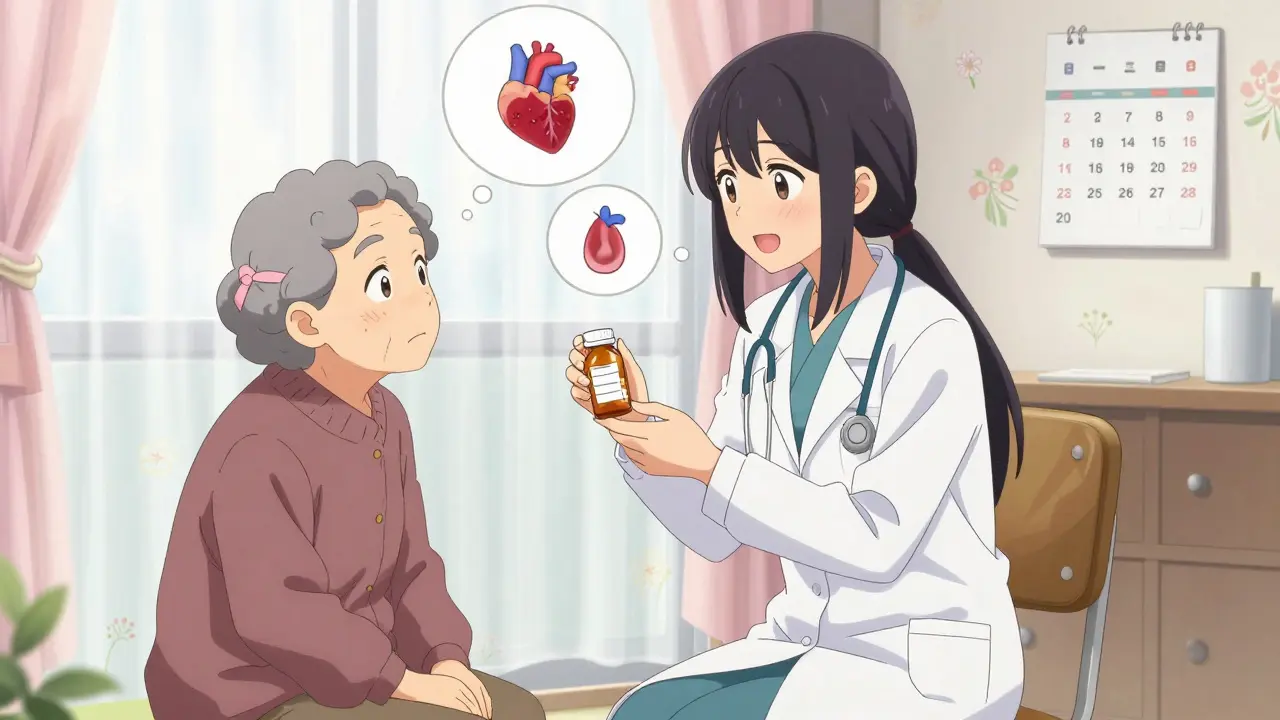
How to Communicate Medication Goals and Expectations Clearly
Clear communication about medication goals improves adherence, reduces errors, and saves lives. Learn proven strategies like Teach-Back, plain language, and concrete timing to help patients understand their prescriptions and stick to them.
VIEW MORE