
How to Report Adverse Drug Reactions to FDA MedWatch
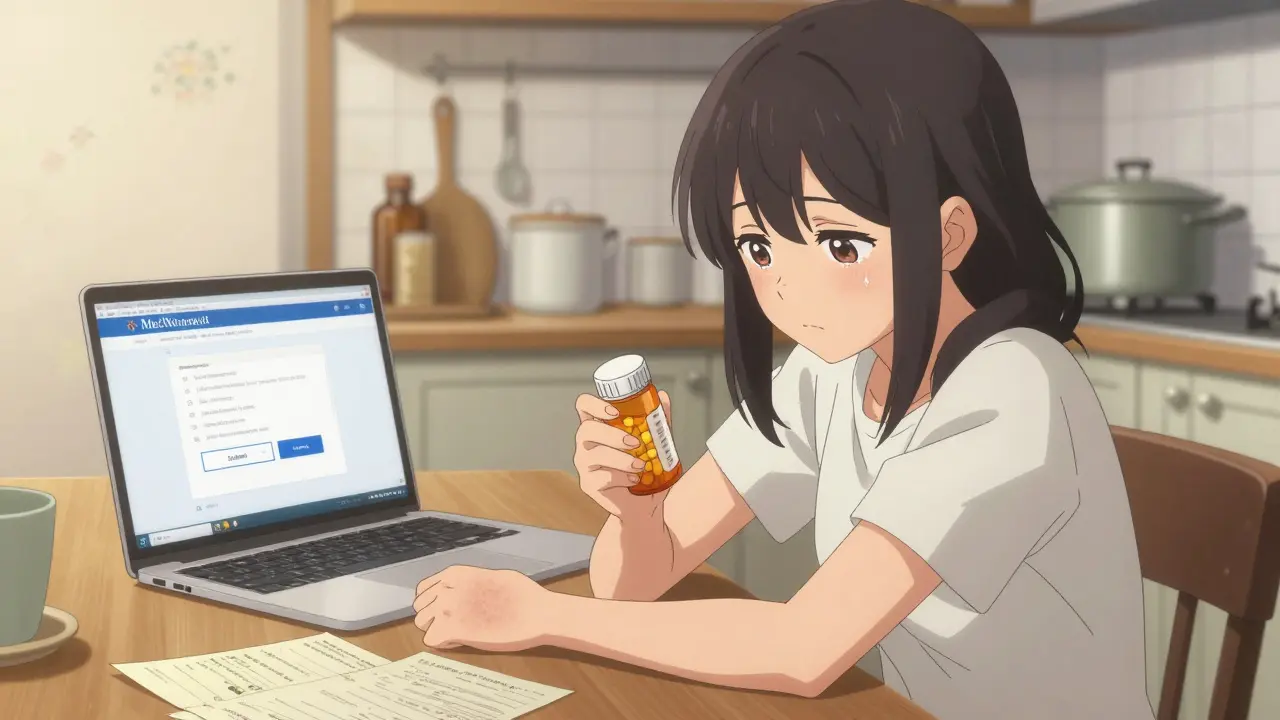
Every year, over 1.3 million adverse drug reactions are reported to the FDA through MedWatch. But experts estimate that only about 6% of serious reactions ever make it into the system. That means for every 16 serious side effects that happen, 15 go unreported. If you’ve ever wondered whether a strange symptom after taking a new medication was worth reporting - it is. You don’t need to be certain. You don’t need to be a doctor. You just need to care enough to speak up.
What Is MedWatch, Really?
MedWatch isn’t just a website. It’s the FDA’s main safety net for spotting hidden dangers in medicines after they’ve hit the market. Clinical trials test drugs on thousands of people - but real life is messier. Millions use the same drug. People take it with other meds. They have different health conditions. Side effects that never showed up in trials can show up here. The FDA launched MedWatch in 1993 to collect those real-world signals. It’s not about proving a drug caused a problem. It’s about catching the early warnings - the odd patterns, the rare reactions, the ones that keep popping up in different places. That’s how the FDA finds out a drug might be linked to liver damage, heart rhythm issues, or sudden allergic reactions that weren’t on the label. MedWatch doesn’t just take reports from patients. It also collects mandatory reports from drug makers, hospitals, and pharmacies. But the public reports? Those are the wild card. They’re often the first clue that something’s off.Who Can Report?
Anyone. That’s it. If you took a pill and felt something wrong - nausea that wouldn’t go away, a rash that spread, dizziness that made you fall - you can report it. If you’re a nurse, pharmacist, or doctor and you saw a patient react badly, you can report it. If you’re a caregiver watching a loved one struggle with a new medication, you can report it. The FDA doesn’t care who you are. They care that you saw something unusual. You don’t need medical training. You don’t need to know the exact drug name. Just give them what you know.What Counts as Reportable?
You don’t need to be a diagnostician. The FDA says: if it’s serious, report it. Here’s what they mean by “serious”:- Death
- Hospitalization - even if it was just for observation
- Disability or permanent damage
- Life-threatening reaction
- Birth defect from a drug taken during pregnancy
- Any reaction that requires medical intervention to prevent one of the above
How to Report: The Simple Steps
There are three forms, but you only need to worry about one: Form 3500B. That’s the one for patients and consumers. It’s short. It’s in plain English. And you can do it in 15 to 20 minutes. Step 1: Go to the MedWatch websiteVisit www.fda.gov/medwatch. That’s the official site. No third-party portals. No apps. Just the FDA. Step 2: Download or fill out Form 3500B
You can fill it out online or print it. The online version walks you through each field. If you’re printing, make sure you get the latest version - the FDA updates it occasionally. Step 3: Fill in what you know
You’ll need:
- Who had the reaction (your name or the patient’s - you can leave out last names if you’re worried about privacy)
- Drug name (if you don’t know the brand, the generic name works - e.g., “metoprolol” instead of “Toprol XL”)
- When you started and stopped taking it
- What happened - describe the symptom in your own words. Don’t guess. Just say: “I got a rash that spread from my chest to my arms,” or “I passed out for 10 minutes.”
- When it started - “two days after starting the pill”
- What you did - did you go to the ER? Did you stop the drug? Did you call your doctor?
- Any other meds or supplements you were taking
- Any test results - like an abnormal blood test or EKG - if you have them
You can submit online, fax it, or mail it. Online is fastest. The system confirms receipt instantly. No email follow-up - but that’s normal. The FDA doesn’t respond to every report. That doesn’t mean they didn’t see it.

What Happens After You Report?
Your report goes into the FDA Adverse Event Reporting System (FAERS). It gets mixed in with over a million others. Algorithms scan for patterns. If enough people report the same issue with the same drug, a team of safety experts digs deeper. Sometimes, this leads to:- A label change - like adding a new warning about dizziness or liver risk
- A safety alert sent to doctors and pharmacists
- A request for more studies
- In rare cases, a drug being pulled from the market
Why So Few People Report
A 2023 survey of 1,200 U.S. doctors found that 68% rarely or never report to MedWatch. Why? Three reasons:- “I don’t know if it’s really connected.” - The FDA says: you don’t have to be sure. Report the suspicion.
- “It takes too long.” - It takes 15 minutes. Less than a coffee break.
- “No one ever follows up.” - That’s true. But the system doesn’t work on personal feedback. It works on patterns.
What About Dietary Supplements?
Yes, you can report reactions to vitamins, herbal products, protein powders, and weight-loss supplements. Since 2019, the FDA has had the authority to require manufacturers to report serious side effects from supplements. But consumers can report them too. A bad reaction to a “natural” product? That counts. A heart palpitation after a pre-workout? Report it. A liver injury from a detox tea? Report it. The FDA doesn’t regulate supplements like drugs - but they still track safety. Your report helps them decide if a supplement needs stricter warnings or even a ban.What You Can’t Report
MedWatch doesn’t handle:- Vaccine side effects - those go to VAERS (Vaccine Adverse Event Reporting System)
- Medical device malfunctions - those go to MedWatch too, but use Form 3500 for professionals
- Drug shortages or pricing issues
- Complaints about pharmacy service
Real Impact: A Story Behind the Numbers
In 2020, a patient reported severe muscle pain after starting a new cholesterol drug. She wasn’t sure it was the drug - she thought it was just aging. But she reported it anyway. Three months later, 12 other reports came in with the same symptom. The FDA reviewed the data. They found the reaction was rare - but real. The drug’s label was updated to include a new warning about muscle damage. That warning didn’t exist before. Because one person decided to speak up.What If You’re Not Sure?
That’s the whole point. The FDA doesn’t expect you to be a scientist. They don’t need you to prove causation. They need you to notice something unusual. If you think a drug might have caused a problem - even if you’re 60% sure - report it. The system is designed to catch the “maybe” cases. That’s where the early warnings hide.How to Make Reporting Easier
If you’re reporting for someone else - a parent, a child, a partner - keep a simple log:- Date you started the drug
- What symptom appeared
- When it started
- What you did about it
- Any doctor visits or tests
Final Thought: Your Report Matters
MedWatch isn’t perfect. It’s slow. It’s manual. It’s underused. But it’s the only system in the U.S. that lets ordinary people help protect others from dangerous drugs. You don’t have to be a hero. You don’t have to be a doctor. You just have to be willing to say: “This didn’t feel right.” That one sentence - submitted online, in 15 minutes - could be the reason someone else avoids a life-threatening reaction next year.Do I need to give my real name when reporting to MedWatch?
No. You can report anonymously. The FDA doesn’t require your full name or contact info. But if you want a follow-up or want to be contacted for more details, you can leave your email or phone number. It’s optional.
Can I report an adverse reaction for someone else?
Yes. You can report for a family member, friend, or patient. Just fill out the form with their information. If you’re a caregiver, you’re often the best person to notice changes in behavior or symptoms.
How long does it take for the FDA to act on a report?
There’s no set timeline. Some reports are reviewed within weeks if they’re part of a clear pattern. Others may sit for months or years. The FDA doesn’t respond to individual reports. They look at the whole dataset. If enough similar reports come in, they trigger a deeper review.
What if I report and nothing changes? Was it a waste of time?
No. One report rarely causes change. But 50 or 100 reports with the same symptom? That’s how warnings get added to labels. Your report adds to the evidence. Even if you never see the result, your report might help someone else avoid a bad reaction.
Can I report side effects from over-the-counter (OTC) drugs?
Yes. MedWatch accepts reports for all FDA-regulated products - including pain relievers like ibuprofen, cold medicines, antacids, and sleep aids. If you had a serious reaction to an OTC drug, report it. These are often assumed to be “safe,” which makes hidden risks even more dangerous.
Is MedWatch only for prescription drugs?
No. MedWatch covers prescription drugs, OTC drugs, dietary supplements, medical devices, vaccines (though vaccines have a separate system), cosmetics, and even some foods and beverages if they cause serious allergic reactions.


SRI GUNTORO
January 28, 2026 AT 12:54People still don’t get it. If you take some random supplement from a gas station and your heart starts racing, you think it’s ‘just stress’? No. It’s your body screaming. Report it. Not because you want a reply. Because someone else’s child might not end up in the ER because of your 15-minute act of decency.
And no, I’m not mad. I’m just tired of watching people pretend ignorance is safety.
Rhiannon Bosse
January 30, 2026 AT 12:51Oh wow, the FDA actually wants YOU to help? 😱
Next they’ll tell us the government cares about our health. I’ve got a bridge in Brooklyn to sell you, sweetheart. Meanwhile, my cousin’s mom died after taking ‘natural’ weight loss pills and the FDA didn’t even blink. This is a PR stunt. They want you to feel useful while they keep letting pharma slide.
Also, why is this form 3500B? Why not 3500A? Are they hiding the real form? 🤔
#MedWatchIsAScam #FDAInBedWithBigPharma 🤡
fiona vaz
January 31, 2026 AT 14:23This is one of the most important things I’ve read all year. Seriously.
I used to think ‘it’s probably nothing’ too - until my mom had a severe reaction to a new blood pressure med and we didn’t report it. She was fine, but later we found out three others had the same issue. If we’d reported it, maybe the warning would’ve come sooner.
It’s not about being right. It’s about being part of the safety net. Even if you never hear back - you’re helping. Keep doing this, FDA. And please keep reminding people.
John Rose
February 1, 2026 AT 12:49Excellent breakdown. The fact that this system exists - and that it relies on laypeople - is both humbling and empowering.
One thing I’d add: even if you’re unsure about the drug name, write down the pill’s color, shape, or imprint code. That’s often enough for pharmacists or FDA analysts to identify it. I’ve seen cases where patients didn’t know the generic name but remembered ‘the little blue oval with a 10 on it’ - and that was enough.
Also, if you’re reporting for someone else, mention your relationship. ‘Caregiver for elderly mother’ helps contextualize the report.
Small details matter. Don’t underestimate them.
Lexi Karuzis
February 2, 2026 AT 13:21EVERY. SINGLE. THING!!!
Did you get a headache after taking ibuprofen? REPORT IT!!!
Did your dog sneeze after you took your vitamin D? REPORT IT TO THE FDA!!!
They’re hiding the truth!!! The vaccines are linked to the supplements!!! The supplements are linked to the antidepressants!!!
AND THEY’RE USING AI TO DELETE YOUR REPORTS!!!
THEY KNOW WHAT YOU DID!!!
REPORT IT NOW BEFORE THEY ERASE THE EVIDENCE!!!
!!!#MEDWATCHISWATCHINGYOU!!!
PS: I reported my neighbor’s cat for using my Advil. They haven’t responded yet. That’s proof they’re covering it up.
Brittany Fiddes
February 4, 2026 AT 07:48Frankly, I’m shocked the Americans haven’t turned this into a viral TikTok trend. In the UK, we’ve had public health campaigns for decades where patients report side effects - and we don’t treat it like some radical act of rebellion.
You don’t need to be a genius to report. You just need to be British. (Just kidding. Sort of.)
But seriously - if you’re reading this and you’re American, stop acting like this is some underground mission. It’s not. It’s basic civic responsibility. And if you think it’s ‘too much work’ - maybe you should move to a country where healthcare isn’t a lottery.
Colin Pierce
February 5, 2026 AT 01:14Just wanted to say thank you for writing this. I work in a pharmacy and see patients hesitate every single day.
I always tell them: ‘You don’t have to be sure. You just have to be concerned.’
One woman came in last week with a rash after starting a new statin. She was embarrassed. Said she ‘didn’t want to bother anyone.’ I helped her fill out the form right there at the counter. She cried when she hit submit.
That’s why this matters. Not because of the system. Because of the people behind it.
Keep speaking up. Even if it’s just one time.
Mark Alan
February 5, 2026 AT 13:55YOOOOO I REPORTED MY CREAMS AND TEAS AND VITAMINS 😭
MY KNEE HURT AFTER I TOOK THAT ‘NATURAL’ JOINT SUPP 🤯
AND NOW I FEEL LIKE A HERO 🦸♂️💪
THE FDA PROBABLY JUST SENT ME A TROPHY 🏆
WAIT DID THEY? DID THEY?!?!?!
…
ok fine no trophy…
but still… I DID MY PART 😌
WHO ELSE REPORTED THEIR PROTEIN POWDER? 👀
#MedWatchWarrior #ReportYourSupplements #IamTheChange
Amber Daugs
February 6, 2026 AT 20:23Wow. So now we’re supposed to be amateur pharmacologists? Because apparently, if you’re not a doctor, you’re just… a liability?
Let me guess - next they’ll ask us to interpret our own MRIs and call in our own lab results?
And what about the people who don’t even have internet? Or who can’t read? Or who don’t trust the government? Do they just… die quietly?
This isn’t empowerment. It’s abdication. The system is broken. And now they’re making patients fix it.
And don’t even get me started on the supplements. I saw a guy take ‘turmeric + ginger + ashwagandha’ and then pass out. He didn’t report it. Why? Because he thought it was ‘just tired.’
Now he’s in a wheelchair. And no one’s accountable.
So yeah. Report. But don’t pretend this is justice. It’s just damage control.
Phil Davis
February 6, 2026 AT 22:34I used to think reporting was pointless until I found out my doctor had never reported my own reaction to a beta blocker - even though I told him twice.
So I did it myself.
Turns out, three other people in my state had the same issue. A year later, the label changed.
It’s not about being heard. It’s about being part of the data.
And honestly? I’m glad the FDA doesn’t reply. That means they’re not wasting time on one-offs. They’re looking for patterns.
So report. Quietly. And let the system do its job.
Kathy Scaman
February 8, 2026 AT 18:50Just read this. Took me 5 minutes. I’m reporting my weird dizziness after taking melatonin.
It’s not serious. Probably nothing.
But I’m doing it anyway.
Because why not?
Mindee Coulter
February 9, 2026 AT 02:44Bryan Fracchia
February 10, 2026 AT 13:20There’s a quiet kind of courage in reporting something you’re not sure about.
We live in a world that rewards certainty. But medicine? Medicine is full of shadows.
That’s why this system works - not because it’s perfect, but because it’s humble.
It doesn’t say, ‘You must be right.’
It says, ‘You noticed something. Tell us.’
And that’s enough.
Maybe that’s the real lesson here: You don’t need to have all the answers to help save a life.
Just the willingness to speak up.
That’s the quietest kind of heroism.
Timothy Davis
February 11, 2026 AT 01:20Let’s be real - MedWatch is a data sinkhole.
99% of reports are noise. You get people reporting ‘I felt sad after taking aspirin’ or ‘my dog licked the pill and now he’s weird.’
The FDA’s algorithms are good, but they’re not magic. And the real signal? It’s buried under a mountain of nonsense.
Also - why is this form still paper-based? In 2025? No API? No integration with EHRs? No auto-fill from pharmacy records?
This system is stuck in 1993. And the ‘just report it’ mantra is just a bandage on a broken system.
It’s not empowering. It’s a cop-out.
Sue Latham
February 12, 2026 AT 21:29Oh honey, I reported my collagen powder for giving me hives.
And guess what? I didn’t even know it was collagen. I just knew my face looked like a balloon.
Turns out, it was the ‘natural flavoring’ - which, by the way, is just a fancy word for ‘we don’t know what’s in it.’
So yeah. Report your weirdness. Especially if it’s from something labeled ‘pure’ or ‘clean’ or ‘ancient wisdom.’
Those are the ones that’ll get you.
Also, I’m sending this to my yoga instructor. She’s got a whole shelf of ‘detox’ teas. She needs to know.