
Archive: 2025/12

Multiple Myeloma: Understanding Bone Disease and the New Drugs Changing Outcomes
Multiple myeloma causes severe bone damage in over 80% of patients. New drugs like romosozumab and DKN-01 are now showing promise in healing bone lesions, not just preventing them. Learn how these novel agents are changing treatment.
VIEW MORE
Statin-Related Liver Problems: What You Need to Know About Elevated Liver Enzymes
Statin-related liver enzyme elevations are common but rarely dangerous. Learn when to worry, when to ignore, and how to stay protected from heart disease without stopping your medication.
VIEW MORE
Dialysis Access: Fistulas, Grafts, and Catheter Care Explained
Learn the differences between AV fistulas, grafts, and catheters for dialysis access. Discover which option is safest, how to care for each type, and what new technologies are improving outcomes for kidney patients.
VIEW MORE
Brain Tumors: Types, Grades, and Multimodal Treatments Explained
Brain tumors are classified by type, grade, and molecular markers. Understanding WHO CNS5 grading and treatments like vorasidenib helps patients and doctors make smarter, personalized decisions for better outcomes.
VIEW MORE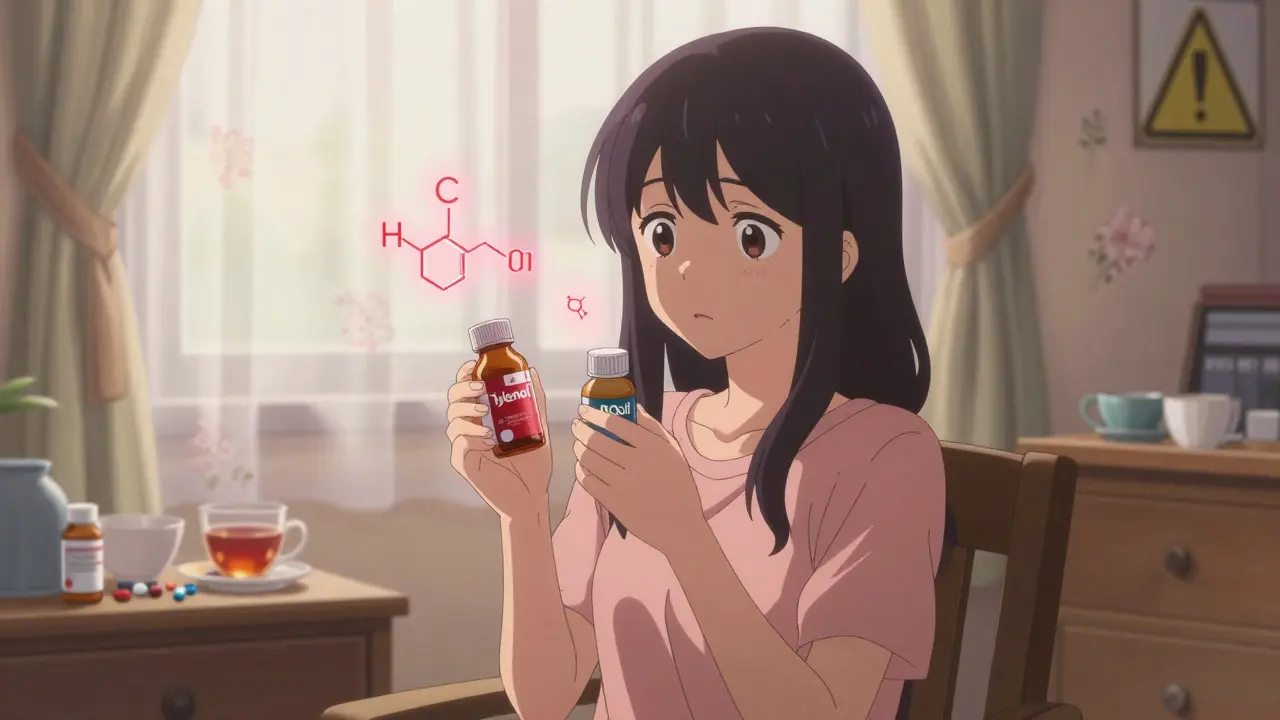
Safe Use of Multiple Medications: How to Avoid Dangerous Double Ingredients
Learn how to avoid dangerous double ingredients in your medications-especially acetaminophen and sedatives-by keeping a full list of all drugs you take, using one pharmacy, and asking your pharmacist before adding anything new.
VIEW MORE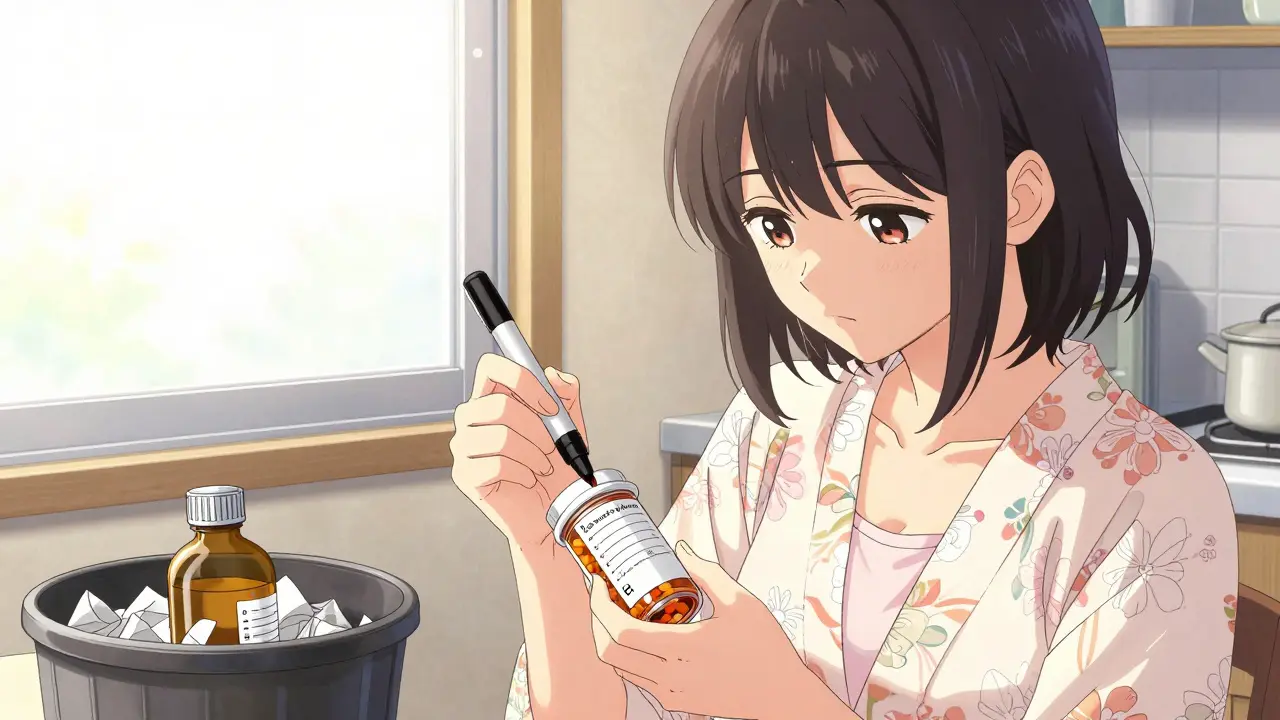
How to Protect Your Privacy When Disposing of Medications
Learn how to safely dispose of medications while protecting your personal health information. Follow FDA and HIPAA guidelines to prevent identity theft and ensure your prescription bottles don't become a privacy risk.
VIEW MORE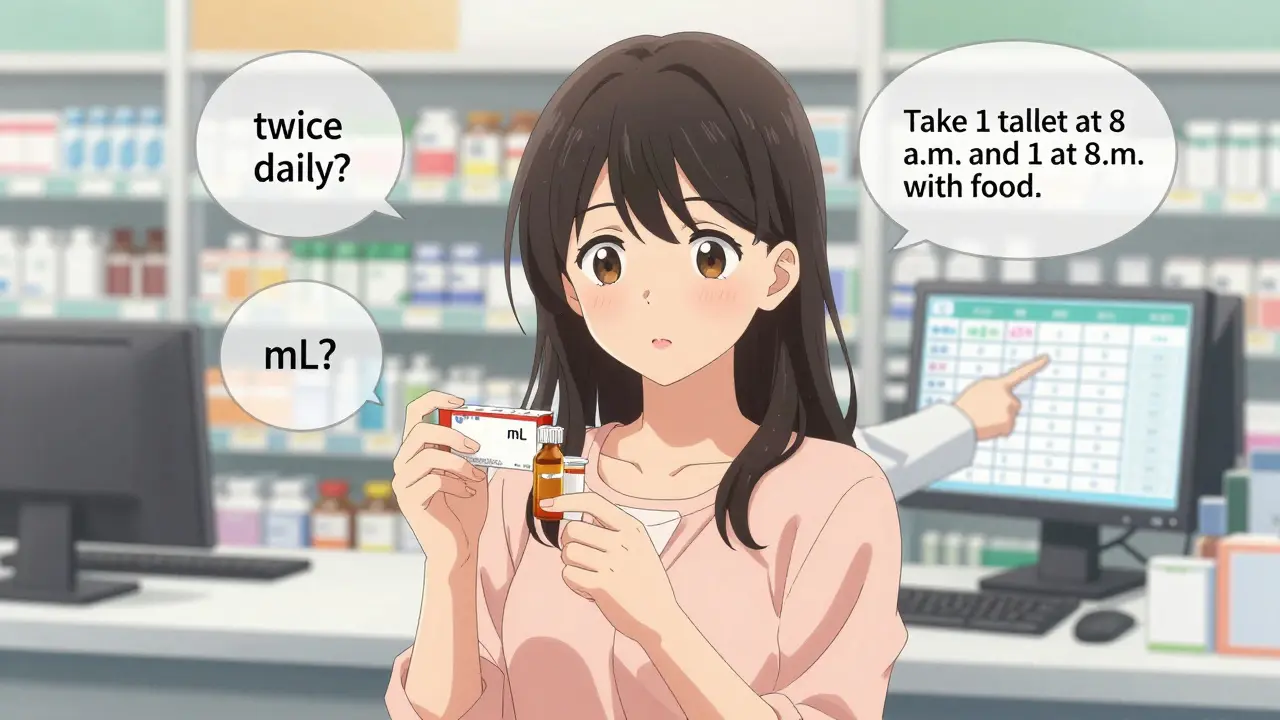
How to Read Prescription Dosage Instructions: Frequency and Timing Explained
Learn how to read prescription dosage labels correctly, understand what "twice daily" really means, avoid dangerous measurement mistakes, and take your medicine safely with clear timing instructions.
VIEW MORE
SSRIs with NSAIDs: How to Reduce Your Risk of GI Bleeding
Combining SSRIs and NSAIDs can raise your risk of dangerous GI bleeding by 75%. Learn who’s most at risk, which pain relievers are safer, and how to protect yourself with simple, evidence-based steps.
VIEW MORE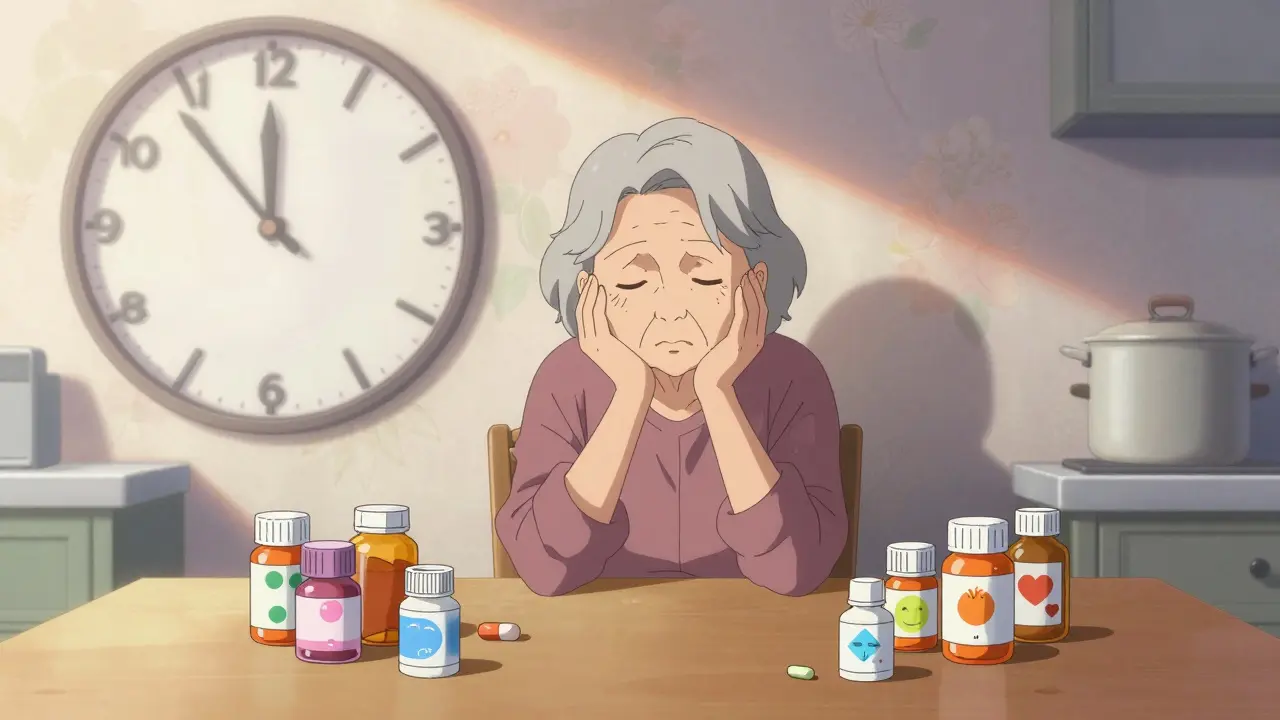
Polypharmacy and Side Effects: How Taking Too Many Medications Increases Health Risks
Taking five or more medications increases fall risk, confusion, hospitalizations, and death. Learn how polypharmacy harms seniors, why deprescribing saves lives, and what you can do to reduce dangerous drug combinations.
VIEW MORE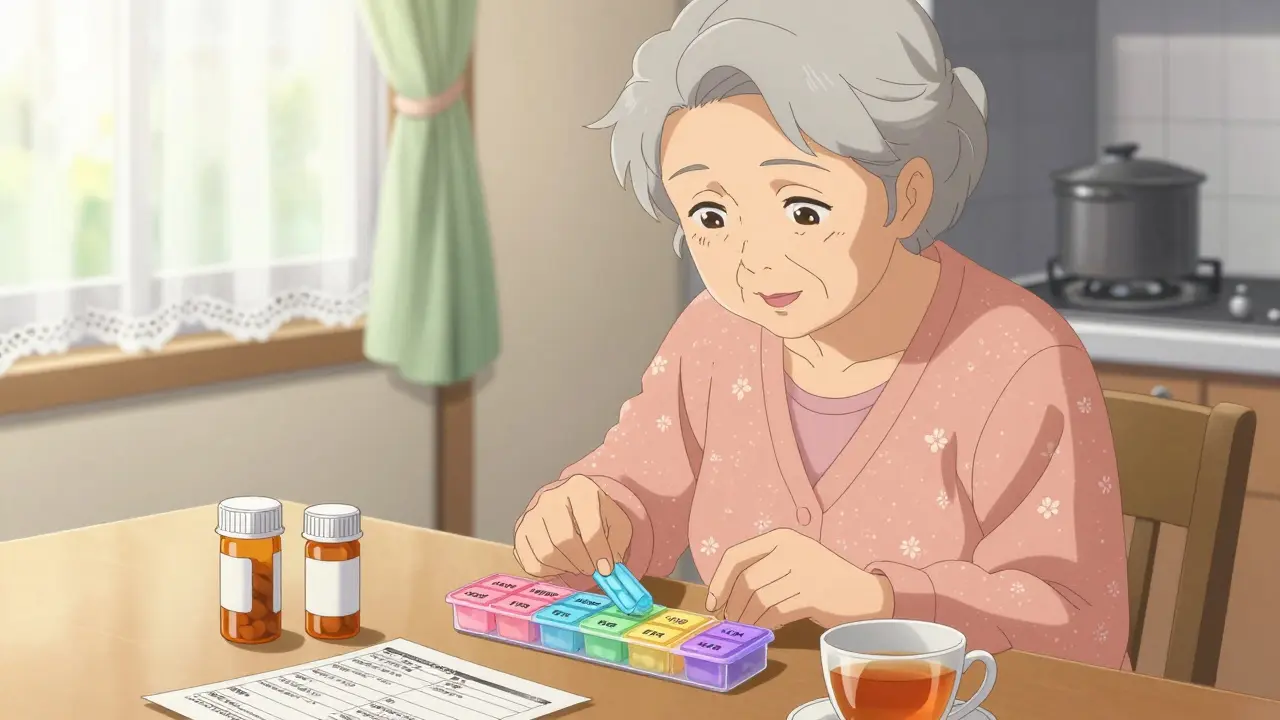
Five Medication Safety Tips for Seniors and Caregivers
Five proven medication safety tips for seniors and caregivers to prevent dangerous drug interactions, reduce hospital visits, and improve daily adherence - backed by the latest geriatric guidelines and real-world data.
VIEW MORE