
Pharmacodynamic Drug Interactions: How Drugs Affect Each Other in the Body

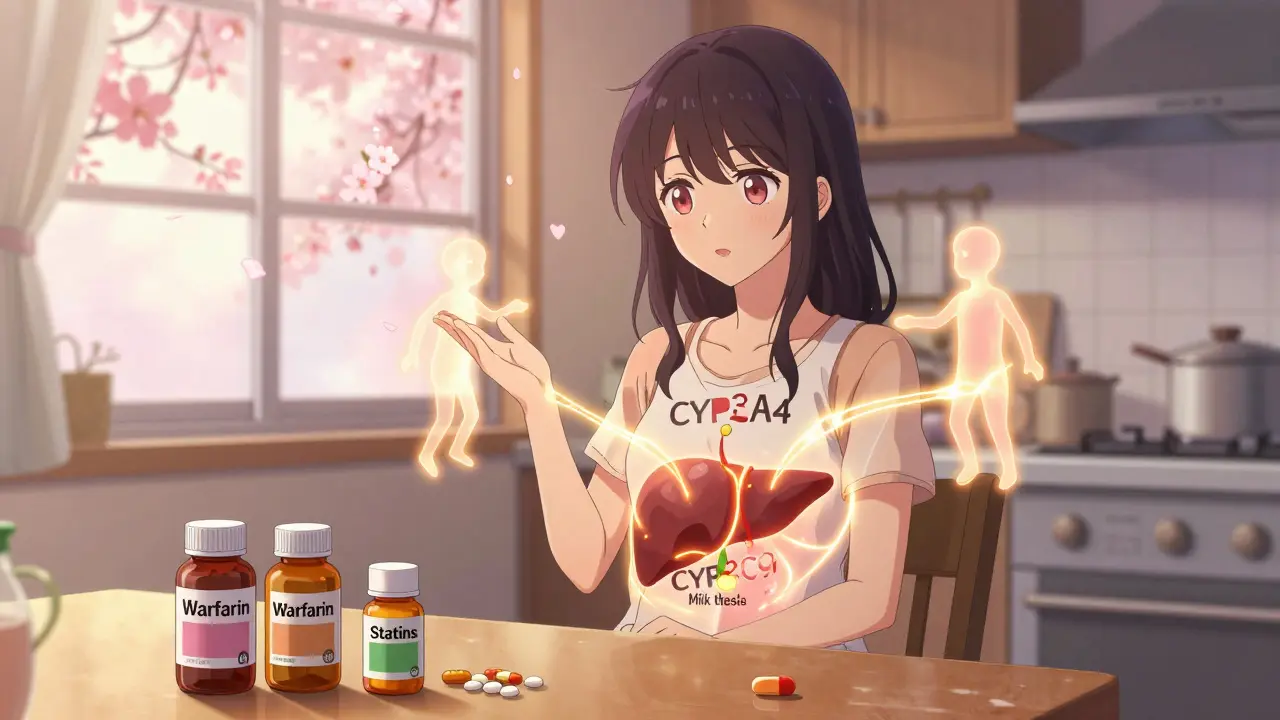
When you take two drugs at the same time, they don’t just sit there doing their own thing. Sometimes, they talk to each other-directly, physically, and sometimes dangerously. This isn’t about one drug changing how the other is absorbed or broken down. That’s pharmacokinetics. This is pharmacodynamic drug interactions: when drugs change how each other works at the receptor level, even when their concentrations stay exactly the same.
What Exactly Is a Pharmacodynamic Interaction?
Think of your body’s receptors like locks. Drugs are keys. A pharmacodynamic interaction happens when one key changes how another key fits-or even blocks-the lock. It doesn’t matter if the second key is still in your bloodstream. If it’s not working right at the lock, the door won’t open.
This is different from pharmacokinetic interactions, where one drug speeds up or slows down how fast another is processed by the liver or kidneys. Pharmacodynamic interactions are about what happens at the target site-your heart, brain, lungs, or blood vessels. The drug levels might be perfectly normal, but the effect? Totally different.
According to studies analyzing over 12,000 hospital cases, about 40% of serious drug interactions are pharmacodynamic. That’s nearly half. And they’re not always obvious. A patient on blood pressure meds might feel fine, but their BP isn’t dropping because the NSAID they took for a headache is blocking the effect. No one checks for that unless someone knows to look.
The Three Main Types: Synergistic, Additive, Antagonistic
Pharmacodynamic interactions fall into three clear categories:
- Synergistic: The combined effect is greater than the sum of the parts. Think of it like two people pushing a car together-each could move it a little, but together, they push it fast.
- Additive: The effect is just what you’d expect if you added the two drugs together. No surprise, no extra risk.
- Antagonistic: One drug cancels out or reduces the effect of the other. This is where things get risky-especially when you’re relying on a drug to work.
Take albuterol and propranolol. Albuterol opens up your airways by activating beta-2 receptors. Propranolol blocks those same receptors. If you take both, propranolol can completely shut down albuterol’s effect-even if you take a full dose. That’s not a theory. It’s happened. People end up in the ER because their asthma attack didn’t respond to their inhaler.
Receptor Competition: When Drugs Fight for the Same Spot
One of the most common mechanisms is direct competition at the receptor site. Drugs with similar shapes fight over the same binding pocket. The winner? The one with higher affinity-meaning it sticks better.
For example, opioids like morphine bind to mu-opioid receptors. If someone on morphine gets naloxone (an opioid blocker used for overdose), naloxone kicks morphine off the receptor. Fast. That’s life-saving in overdose. But if the person is physically dependent, it can trigger sudden, violent withdrawal-seizures, vomiting, panic. It’s not the naloxone hurting them. It’s the sudden absence of morphine.
Same thing happens with beta-blockers and asthma meds. Or with anticholinergics and certain antidepressants. The receptors don’t care which drug gets there first. They just respond to whoever’s bound tighter.

Physiological Antagonism: Opposite Effects, Same System
Not all antagonism is about the same receptor. Sometimes, drugs work on different parts of the same system and cancel each other out.
Take NSAIDs like ibuprofen and ACE inhibitors like lisinopril. ACE inhibitors lower blood pressure by relaxing blood vessels and helping the kidneys remove salt. Ibuprofen blocks prostaglandins-chemicals that help keep blood flowing to the kidneys. Without those, kidney blood flow drops by 25%. The ACE inhibitor can’t work as well. Blood pressure stays high. The patient thinks the medicine isn’t working. The doctor might up the dose. Then the kidneys get damaged.
This is why so many older adults on blood pressure meds end up with kidney problems. It’s not the ACE inhibitor. It’s the daily Advil.
The Most Dangerous Combinations
Some pharmacodynamic interactions aren’t just inconvenient-they’re deadly.
- SSRIs + MAOIs: This combo can cause serotonin syndrome-a potentially fatal condition where your body has too much serotonin. Symptoms: high fever, muscle rigidity, confusion, seizures. Studies show this combination increases serotonin syndrome risk by 24 times. And it’s not rare. People get prescribed an SSRI for depression, then get an MAOI for anxiety. No one connects the dots.
- Opioids + benzodiazepines: Both depress the central nervous system. Together, they can stop breathing. The CDC reports that nearly 30% of opioid overdose deaths involve benzodiazepines.
- Anticoagulants + antiplatelets: Warfarin and aspirin together? Double the bleeding risk. A 2022 survey of 1,247 doctors found that 38% had seen this dangerous combo in the past month.
And here’s the kicker: these aren’t obscure drug combos. They’re common. People take ibuprofen daily. They take Xanax for anxiety. They take Zoloft for depression. Doctors don’t always ask about OTC meds. Pharmacists don’t always catch it unless they’re looking for it.
When Interactions Are Actually Helpful
Not all pharmacodynamic interactions are bad. Sometimes, they’re designed on purpose.
Trimethoprim and sulfamethoxazole (Bactrim) work together to block two steps in bacterial folic acid production. Alone, each drug is weaker. Together, they’re much more effective-and allow lower doses of each. That’s synergy in action.
Even in mental health, there’s emerging evidence. A 2021 study found that adding low-dose naltrexone (an opioid blocker) to antidepressants helped 68% of patients with treatment-resistant depression. Why? It may tweak brain inflammation and opioid receptor sensitivity in ways that boost antidepressant effects.
These aren’t accidents. They’re intentional. But they require deep knowledge-and careful testing.

Who’s at Risk?
It’s not just the elderly. Though they’re the most vulnerable. The average person over 65 takes 4.8 prescription drugs. That’s almost five different keys trying to turn different locks at once.
But it’s also people with chronic conditions: diabetes, heart disease, depression, arthritis. They’re on multiple meds. They see multiple doctors. They fill prescriptions at different pharmacies. No one has the full picture.
And it’s not just about old drugs. New ones are coming fast. The FDA now requires pharmacodynamic interaction studies for all new CNS drugs. That’s because the old models-based mostly on pharmacokinetics-missed too many real-world dangers.
How to Stay Safe
Here’s what actually works:
- Know your drugs. Don’t just take what’s prescribed. Ask: “What does this do? What could it interfere with?”
- Use one pharmacy. They can flag interactions across all your meds-even OTC and supplements.
- Ask about NSAIDs. If you’re on blood pressure, kidney, or heart meds, ibuprofen or naproxen might be doing more harm than good.
- Watch for sudden changes. If your BP doesn’t drop, your asthma isn’t improving, or you feel unusually tired or confused after starting a new drug, it might not be the drug itself. It might be the combo.
- Get a pharmacist review. Studies show pharmacist-led medication reviews cut adverse events from pharmacodynamic interactions by 58% in older adults.
Technology helps-clinical decision tools flag about 78% of known interactions. But they miss 22%. Why? Because they’re built on databases that don’t always reflect real-world physiology. A machine can’t yet predict how a 78-year-old with mild kidney disease will respond to three drugs that each slightly reduce blood flow to the kidneys.
That’s why human knowledge still matters. A good clinician doesn’t just check a box. They think about the whole body.
What’s Next?
Researchers are building smarter models. A team at UCSF created a machine learning tool that predicts serotonin syndrome risk with 89% accuracy by analyzing drug combinations, doses, and patient history. The NHS is testing real-time alerts in electronic health records. The goal? To stop these interactions before they happen.
But until then, the best defense is awareness. If you’re on more than three medications, ask your doctor or pharmacist: “Could any of these be working against each other?”
Because in pharmacodynamics, it’s not about how much you take. It’s about how the drugs talk to each other-and whether they’re friends, rivals, or enemies.
What’s the difference between pharmacodynamic and pharmacokinetic drug interactions?
Pharmacokinetic interactions change how your body absorbs, breaks down, or removes a drug-like when one drug blocks the liver enzyme that metabolizes another. Pharmacodynamic interactions happen at the target site-like when two drugs compete for the same receptor or cancel each other’s effects-even if drug levels stay the same.
Can over-the-counter drugs cause pharmacodynamic interactions?
Yes. Common OTC drugs like ibuprofen, naproxen, and even some cold medicines can interfere with prescription drugs. Ibuprofen can block the effect of blood pressure meds. Decongestants like pseudoephedrine can raise blood pressure in people on beta-blockers. Even herbal supplements like St. John’s wort can alter serotonin levels and cause dangerous combos with antidepressants.
Is serotonin syndrome always obvious?
No. Early symptoms like mild agitation, sweating, or a fast heartbeat are often mistaken for anxiety, infection, or side effects. By the time fever, muscle rigidity, or confusion appear, it’s already serious. If you’re on an SSRI and start a new med-even something like a migraine drug or cough syrup with dextromethorphan-and feel worse, seek help immediately.
Why do some drug combinations work better together?
Some drugs are designed to work together. Trimethoprim and sulfamethoxazole block two different steps in bacterial folic acid production, making them far more effective together than alone. In mental health, low-dose naltrexone combined with antidepressants has shown promise in treatment-resistant depression by modulating brain inflammation and opioid receptors. These are intentional synergies, not accidents.
How can I check for drug interactions myself?
Use a trusted drug interaction checker like the one from the University of Liverpool (for HIV meds) or Medscape. But don’t rely on apps alone. Always talk to your pharmacist. They have access to updated databases and can spot interactions that algorithms miss-especially those involving dose, age, or kidney function.
Are pharmacodynamic interactions more dangerous than pharmacokinetic ones?
They can be. Studies show 68% of serious adverse events from pharmacodynamic interactions lead to hospitalization, compared to 42% for pharmacokinetic ones. That’s because you can’t always fix them with a dose change. If two drugs are blocking each other at the receptor level, lowering the dose might not help-you may need to stop one entirely.
If you’re taking multiple medications, especially if you’re over 65 or have chronic conditions, don’t assume everything is safe just because your doctor prescribed it. Ask the right questions. Keep a list. Talk to your pharmacist. Because in the body, drugs don’t just act alone-they influence each other, every single day.
Janelle Moore
December 19, 2025 AT 21:15Chris porto
December 20, 2025 AT 04:58Erica Vest
December 20, 2025 AT 14:12Chris Davidson
December 20, 2025 AT 16:30Kinnaird Lynsey
December 21, 2025 AT 12:36benchidelle rivera
December 22, 2025 AT 20:47Kelly Mulder
December 24, 2025 AT 04:31Tim Goodfellow
December 25, 2025 AT 16:58mark shortus
December 26, 2025 AT 13:59Kitt Eliz
December 28, 2025 AT 10:19Chris Clark
December 29, 2025 AT 09:03Guillaume VanderEst
December 30, 2025 AT 05:29Sajith Shams
December 31, 2025 AT 11:01shivam seo
January 2, 2026 AT 00:28Andrew Kelly
January 3, 2026 AT 06:20