
How to Stay Informed About Global Medication Safety News
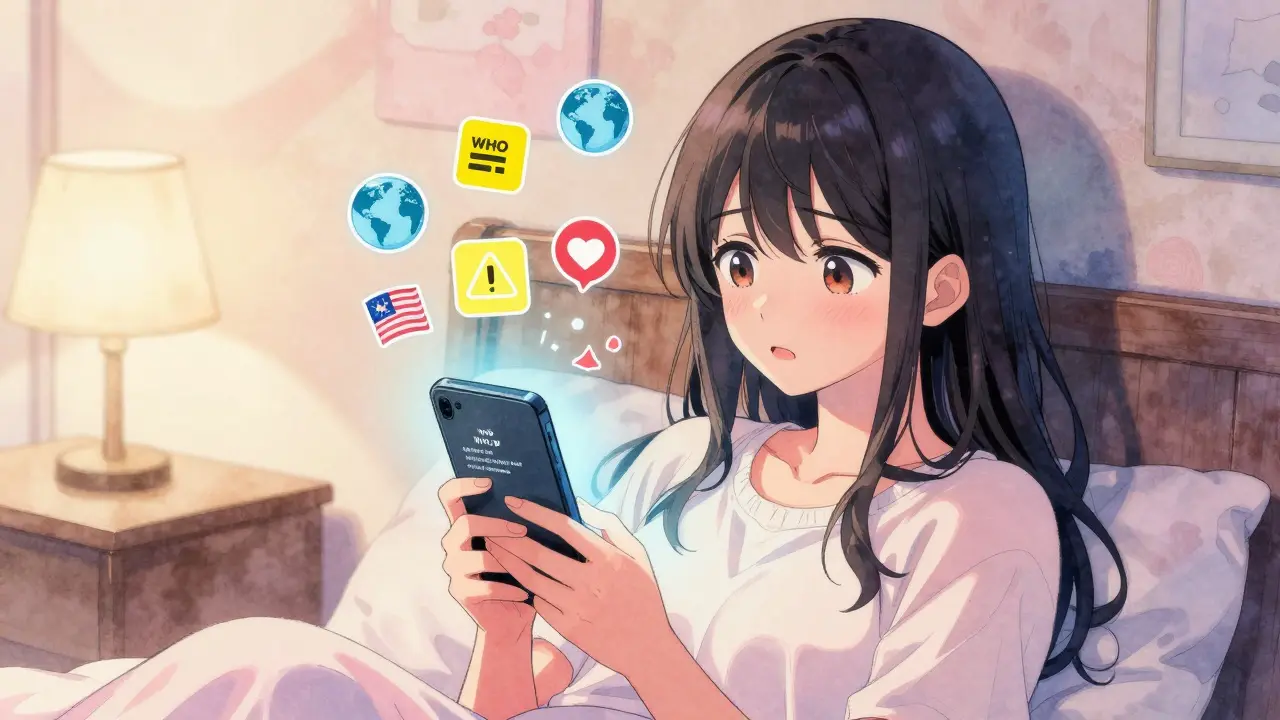
Every year, millions of people are harmed by medications that weren’t properly monitored. Some reactions are mild - a rash, dizziness. Others are life-threatening: liver failure, heart rhythm problems, or even death. The scary part? Less than 10% of these reactions are ever reported. That means most safety issues fly under the radar, leaving others at risk. If you’re a healthcare professional, a caregiver, or even just someone who takes medication regularly, staying informed isn’t optional - it’s essential.
Know the Global Players
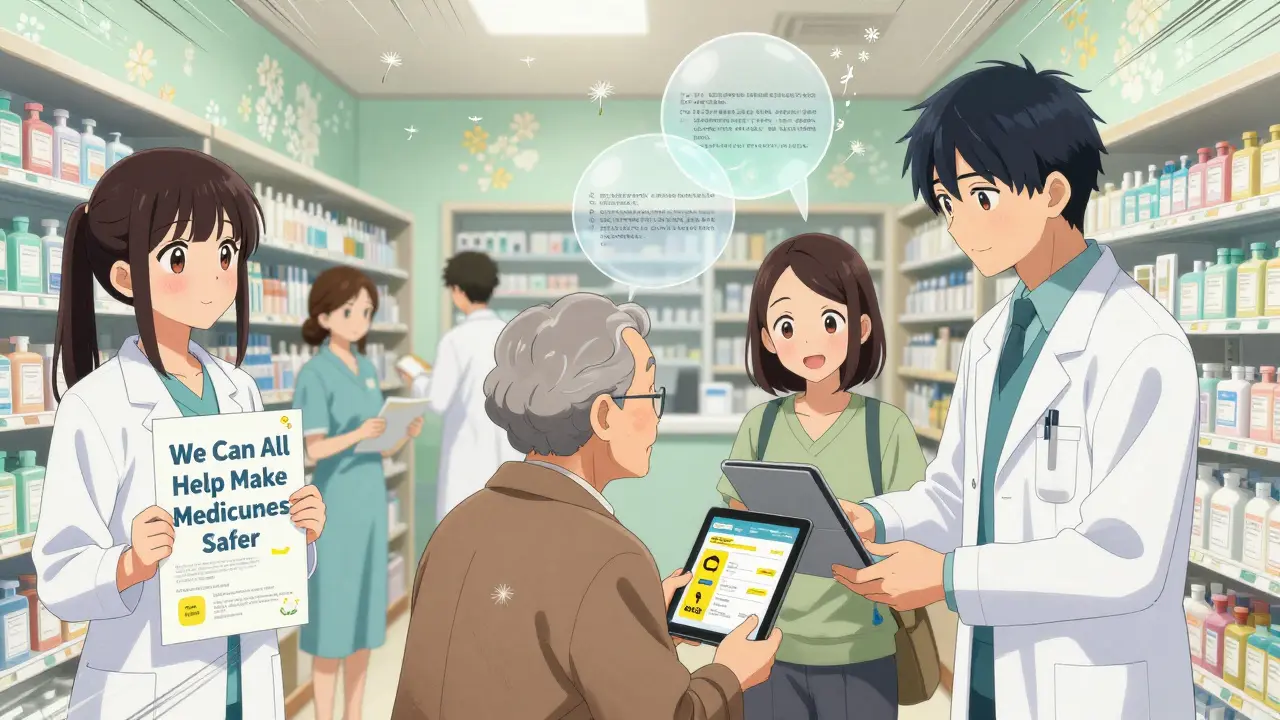
You can’t track what you don’t know exists. The global system for medication safety is built on a few key organizations that work together across borders. The World Health Organization (WHO) is the backbone. Every year, they release updates on drug safety policies, track global reporting trends, and coordinate international campaigns. In May 2025, WHO released a major guideline on controlled medicines - opioids, benzodiazepines, ketamine - to balance access with safety. This isn’t just paperwork. It affects how these drugs are prescribed in over 150 countries.Then there’s the Uppsala Monitoring Centre (UMC), which runs the WHO Programme for International Drug Monitoring. This program connects pharmacovigilance centers in 150 countries. They’re the ones behind #MedSafetyWeek, the annual global campaign that started in 2016 and runs every November. In 2025, it’s celebrating its 10th anniversary with the theme “We can all help make medicines safer.”
In the U.S., the Institute for Safe Medication Practices (ISMP) is a powerhouse. They don’t just issue warnings - they create practical tools. Their 2025-2026 Targeted Medication Safety Best Practices for Community Pharmacy include step-by-step checklists for weight-based dosing, vaccine administration, and return-to-stock procedures. One pharmacist in Ohio told me they used the weight-based dosing protocol to stop a fatal error in a pediatric patient last month. That’s the kind of real impact these tools have.
Follow the Official Channels
Social media isn’t just for memes. For medication safety, it’s a lifeline. Official campaigns use specific hashtags to spread verified information. Start with these:- #MedSafetyWeek - The global campaign run by UMC. Follow it in November.
- #MHRAYellowCard - The UK’s official reporting system. Used by pharmacists, nurses, and patients.
- #ReportSideEffects - A general tag used by WHO and national agencies.
- #patientsafety - Broader, but still useful for tracking trends.
Don’t just scroll. Subscribe. The WHO sends out free email alerts on medication safety updates. You’ll get notifications when new guidelines drop, like the 2025 controlled medicines policy. The UMC also offers a newsletter for #MedSafetyWeek materials - sign up in August so you’re ready when the campaign launches in November.
For U.S.-based professionals, the FDA’s Sentinel Initiative is a goldmine. It monitors health data from 300 million patients to spot safety signals early. You won’t get real-time access, but their public reports are published quarterly and available on their website. Bookmark it.
Use the Tools That Work
Knowing about safety issues isn’t enough. You need to act. And the best way to act is by reporting.In the UK, the Yellow Card scheme lets anyone - patients, pharmacists, doctors - report side effects from medicines, vaccines, or even e-cigarettes. The best part? There’s a free app. You can take a photo of the medicine, fill out a quick form, and submit it in under two minutes. Over 250,000 reports were filed in 2024 alone. And yes, it’s anonymous.
Other countries have their own systems. Canada has the Canada Vigilance Program. Australia uses the Therapeutic Goods Administration’s reporting portal. If you’re outside the U.S. or UK, search for “[Your Country] pharmacovigilance reporting.” You’ll find it.
For U.S. clinicians, the FDA’s MedWatch portal is the official channel. But here’s the catch: most doctors don’t use it. Too many steps. That’s why ISMP’s implementation worksheets are so valuable. They break down reporting into simple actions. One hospital in Texas cut reporting time by 60% after adopting their template.
Watch Out for Misinformation
Social media is a double-edged sword. While it spreads awareness, it also spreads lies. In 2025, the ECRI/ISMP Top 10 Patient Safety Issues ranked medical misinformation as the third biggest threat. Why? Because false claims about vaccines, drug side effects, or “miracle cures” are driving real harm.Here’s what to do:
- Don’t share unverified posts about drug reactions - even if they sound scary.
- Check the source. If it’s a TikTok video with no author, no date, and no link to WHO or FDA, treat it like junk mail.
- Use trusted platforms: WHO’s website, FDA.gov, UMC’s site, ISMP’s publications.
One study found that in areas with high social media use, false reports of vaccine side effects increased actual adverse event reporting by 18%. That’s not because people got sicker - it’s because fear drove more people to report anything, even if it wasn’t real. That floods systems with noise and hides real signals.
Get Involved in Campaigns
#MedSafetyWeek isn’t just a hashtag. It’s a movement. In 2024, a hospital in Melbourne saw a 25% increase in staff reporting side effects after they put up campaign posters, ran lunchtime training sessions, and gave out free Yellow Card cards.You can do the same:
- Download the free #MedSafetyWeek toolkit from UMC’s website (available August 2025).
- Print posters and put them in waiting rooms, break rooms, or pharmacies.
- Host a 15-minute team huddle during the first week of November. Show a real case study - like how a missed weight-based dose led to an overdose.
- Encourage patients to report side effects. Many don’t know they can.
World Patient Safety Day on September 17 is another key date. In 2025, the focus is on newborn safety. Hospitals use this day to review medication protocols for infants - a high-risk group where even small dosing errors can be deadly.

What’s Changing in 2025 and Beyond
The landscape is evolving. Here’s what’s new:- AI-powered reporting tools: In 2024, 15 countries beta-tested AI symptom checkers that link directly to national reporting systems. If you type “headache after new blood pressure med,” the tool suggests whether it’s a known reaction and auto-fills a report.
- More data sharing: The EU now requires 500 adverse event reports per million people annually. The U.S. is pushing for similar standards.
- Pharmacogenomics: The U.S. Pharmacopeia (USP) is rolling out new standards for genetic testing before prescribing certain drugs. This could prevent reactions in people who metabolize meds too slowly or too fast.
- Medi-Span updates: This clinical decision support tool, used in hospitals from Saudi Arabia to Sweden, will add machine learning in 2027 to predict errors before they happen. Early tests show it cuts errors by another 15-20%.
But here’s the hard truth: while high-income countries are improving, low- and middle-income countries still report only 5-10 adverse events per million people. That’s 40 times less than the U.S. or UK. Without global funding and support, these gaps will keep costing lives.
Your Action Plan
You don’t need to be a policy expert to make a difference. Here’s your simple, 5-step plan:- Subscribe to WHO’s Medicines Safety email alerts.
- Download the Yellow Card app (or your country’s equivalent) - even if you never use it, have it ready.
- Bookmark ISMP’s Best Practices page and check it every March when they release updates.
- Join #MedSafetyWeek in November 2025. Share one post. Print one poster. Talk to one patient.
- Report anything suspicious. Even if you’re not sure. It’s better to report and be wrong than to stay silent and miss a pattern.
Medication safety isn’t about perfection. It’s about participation. Every report you file, every poster you hang, every conversation you start adds up. The system only works if people like you are paying attention.
How often are global medication safety updates released?
Major updates come from WHO and FDA quarterly, but critical alerts can come at any time. WHO publishes its Global Patient Safety Report annually in May. ISMP releases new Best Practices every two years, with the latest in March 2025. Subscribe to email alerts to get real-time notifications.
Can patients report side effects, or is it only for healthcare workers?
Anyone can report. In the UK, the Yellow Card system is designed for patients. In the U.S., MedWatch accepts reports from consumers. Many countries have direct online portals or apps. You don’t need a medical license - just your experience with the medication and a willingness to speak up.
What’s the difference between WHO, UMC, and ISMP?
WHO sets global policy and coordinates international efforts. UMC runs the global drug monitoring network and organizes #MedSafetyWeek. ISMP is a U.S.-based nonprofit that creates practical tools and best practices for frontline healthcare workers. They work together - WHO provides the framework, UMC connects the dots globally, and ISMP gives you the checklist to use tomorrow.
Why do some countries report so few side effects?
It’s not that fewer reactions happen - it’s that reporting systems are underfunded, understaffed, or not widely known. In low-income countries, pharmacists may not have internet access. Doctors may not know how to report. Patients may fear retaliation or think their report won’t matter. That’s why global campaigns like #MedSafetyWeek focus on education and access.
Is there a mobile app for reporting in the U.S.?
The FDA doesn’t have a dedicated app, but you can use the MedWatch portal on your phone’s browser. Some third-party apps like MedWatcher or RxReporter help you track your own medications and prompt you to report reactions. But only reports submitted through MedWatch or Yellow Card are officially counted in global databases.
How long does it take to see results from reporting?
It can take months or even years for a pattern to emerge. One drug, Vioxx, was pulled from the market after thousands of reports of heart attacks. But that took over a decade. The goal isn’t instant fixes - it’s long-term safety. Each report adds data. Over time, that data saves lives.


lisa Bajram
January 9, 2026 AT 21:11Jaqueline santos bau
January 11, 2026 AT 02:49Kunal Majumder
January 12, 2026 AT 06:43Aurora Memo
January 12, 2026 AT 09:02Mario Bros
January 13, 2026 AT 01:26Jake Nunez
January 13, 2026 AT 23:46Christine Milne
January 14, 2026 AT 01:35Bradford Beardall
January 15, 2026 AT 12:29