
Why Brand Companies Launch Authorized Generics: Strategy Explained
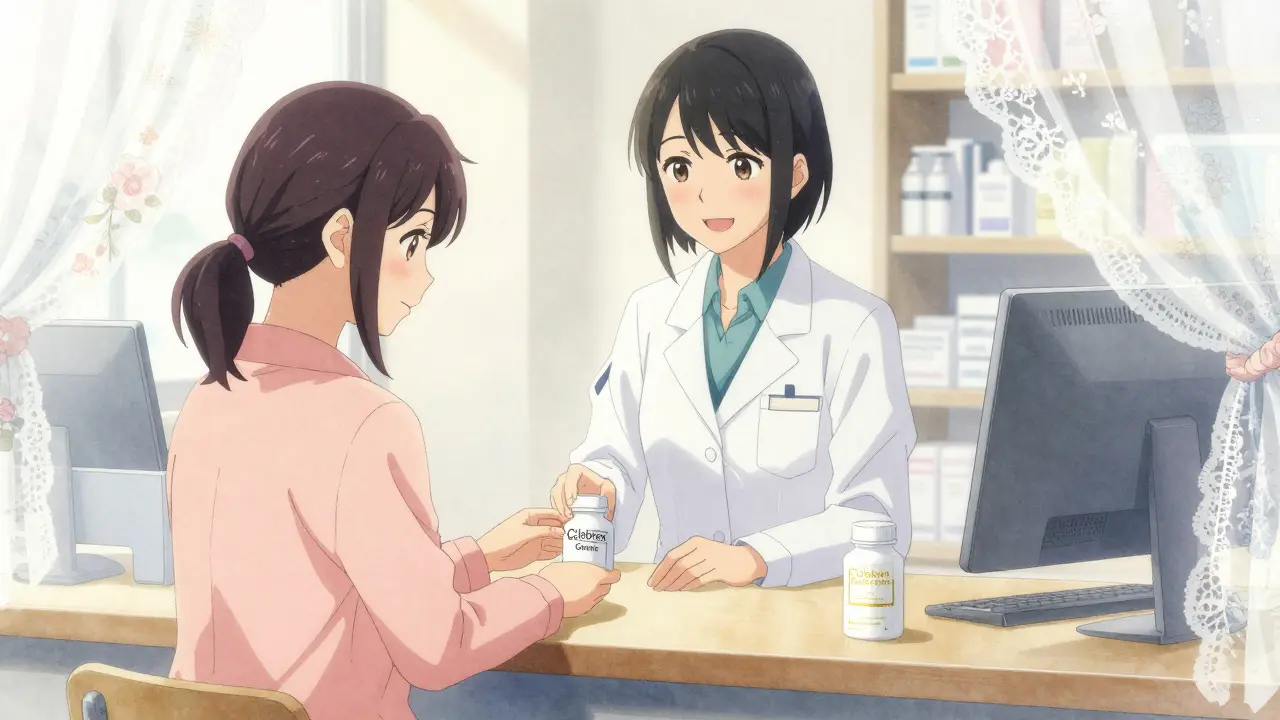
When a brand-name drug like Celebrex or Concerta loses its patent, you’d expect its price to drop sharply. But here’s the twist: sometimes, the same company that made the brand-name drug starts selling the exact same pill - just without the brand name - at a much lower price. This isn’t a mistake. It’s a calculated move called an authorized generic.
What Exactly Is an Authorized Generic?
An authorized generic is the same drug as the brand-name version. Same active ingredient. Same inactive ingredients. Same pill shape, same manufacturer. The only difference? No brand logo. No fancy packaging. Just a plain label and a lower price tag. It’s not a copy. It’s not a knockoff. It’s the real thing, made by the original company and sold under a different label. The FDA allows this because the drug is produced under the original brand’s New Drug Application (NDA), not a separate generic application. That means no extra testing or approval is needed - just a quick notice to the FDA. This isn’t new. Since the 1990s, big pharma companies have been using this tactic. Between 2010 and 2019, over 850 authorized generics hit the U.S. market. And the timing? It’s never random.Why Do Brand Companies Do This?
Imagine your best-selling drug brings in $1 billion a year. Then, the patent expires. Within 12 months, you lose 80-90% of your revenue. That’s the reality for most brand-name drugs. So what do you do? You don’t just sit back and watch your profits vanish. You launch your own generic. By introducing an authorized generic, the brand company stays in the game. Instead of losing 100% of the market to competitors, they keep a slice - sometimes 15-20% - by offering the exact same drug at a lower price. That’s not just smart business. It’s survival. Take Celebrex, for example. When its patent expired, Pfizer (through its subsidiary Greenstone) launched an authorized generic. Patients who trusted the brand could still get the same pill, but now for less. Meanwhile, other generic makers entered the market too. But because Pfizer’s version was identical, many patients and pharmacies stuck with it. Result? Pfizer kept revenue flowing instead of watching it disappear.The Hatch-Waxman Act and the 180-Day Edge
The 1984 Hatch-Waxman Act gave the first generic company to challenge a patent a 180-day exclusivity period. During that time, no other generic could enter the market. That meant the first generic could charge nearly brand prices - and make a huge profit. But here’s where brand companies strike back. About 70% of authorized generics are launched during or before that 180-day window. Why? To crush the first generic’s monopoly. If Pfizer launches its own authorized generic of Concerta at the same time as the first generic, now there are two versions of the same drug competing. Prices drop fast. The first generic can’t jack up prices. And the brand company still makes money. The Federal Trade Commission confirmed this in 2011: when authorized generics entered during the exclusivity period, prices were significantly lower than when they didn’t. That’s good for consumers. And for the brand company? It’s a way to limit how much the generic competitor can earn - and discourage others from trying to challenge patents in the future.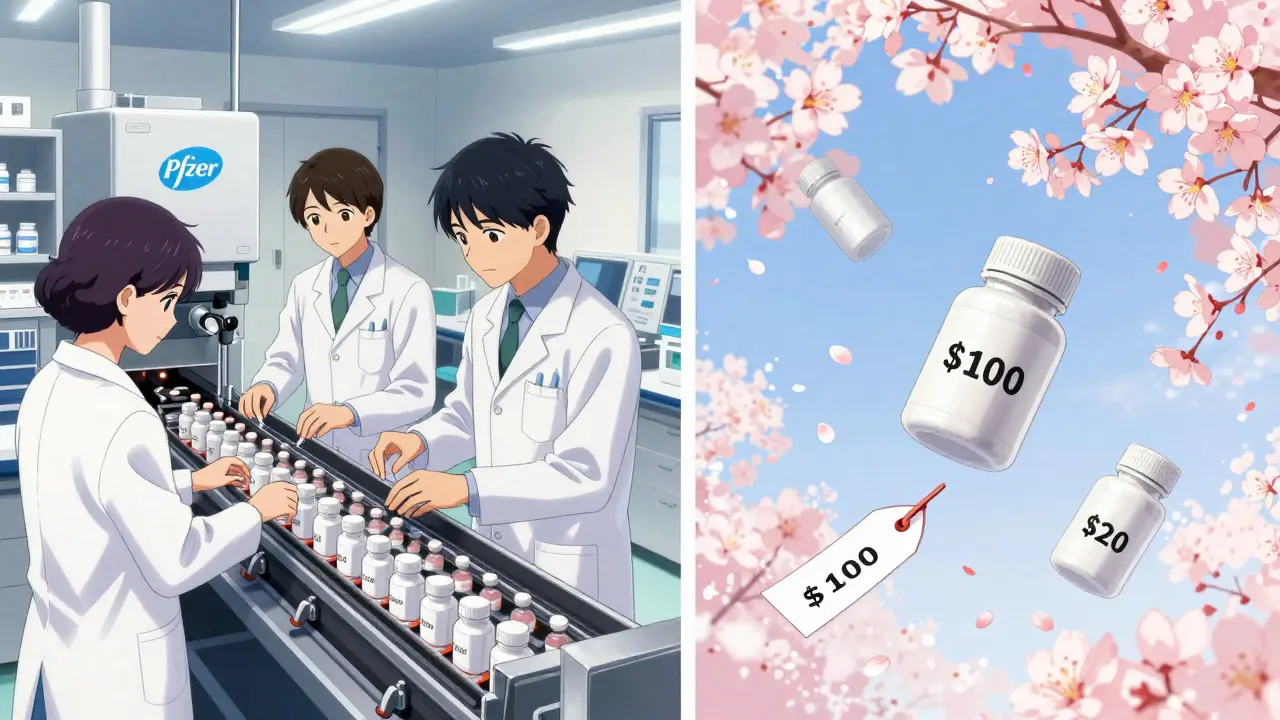
Segmenting the Market: Two Prices, One Drug
This isn’t just about fighting generics. It’s about capturing different customers. Some patients - and insurers - will still pay more for the brand name. Maybe they trust it. Maybe their doctor insists on it. Maybe the insurance plan still covers it with a low copay. Others? They want the lowest price possible. That’s where the authorized generic comes in. By offering both, the brand company creates two markets: one for premium buyers, one for price-sensitive ones. They keep their brand’s image intact while capturing the budget crowd. It’s classic price discrimination - and it works. A 2005 study by Roper Public Affairs found that over 80% of Americans wanted the option to buy an authorized generic. Why? Because they knew it was the same drug. No guesswork. No worry about different fillers or coatings that might affect how the drug works. That’s especially important for drugs with narrow therapeutic indexes - where tiny differences in formulation can change how the body responds. Think epilepsy meds, blood thinners, or thyroid drugs. With an authorized generic, patients get continuity. No risk. No surprise.Faster Than Traditional Generics
Traditional generics take 18 to 24 months to get FDA approval. They have to prove they’re bioequivalent. They often change inactive ingredients. Sometimes, those changes cause problems - like different absorption rates or allergic reactions. Authorized generics skip all that. They’re made on the same lines, with the same formula, under the same approval. That means they can hit the market in weeks, not years. This speed gives brand companies a huge edge. If they see a generic challenge coming, they don’t wait. They launch their own version before the competition even gets started. Some companies now launch authorized generics even before the first generic applicant files - a shift from the old model where 75% waited until after generic competition began.Who’s Doing It?
Big names are behind this strategy: - Pfizer with Greenstone Pharmaceuticals - launched the authorized generic of Celebrex (celecoxib) and Zoloft (sertraline). - Amneal (formerly Impax) - built a whole business around authorized generics, including colchicine (Colcrys) and methylphenidate ER (Concerta). - Prasco Laboratories - markets authorized versions of drugs like Colcrys and Lipitor (atorvastatin). These aren’t small players. They’re subsidiaries or partners of the original brand companies. They’re not competitors. They’re extensions of the brand’s own strategy.
What’s Next?
The game is evolving. Brand companies are now testing new ways to control the market. Some are selling authorized generics only through mail-order pharmacies or specific retailers. That keeps them from directly competing with their own brand on pharmacy shelves. Others are bundling them with loyalty programs or discounts tied to insurance. And now, the next frontier: biologics. Drugs like Humira and Enbrel are coming off patent soon. But biologics are complex. You can’t just copy them like a pill. Instead, companies are preparing for “authorized biosimilars” - versions made by the original manufacturer under the same regulatory umbrella. The FDA hasn’t formally defined this yet. But the logic is clear: if it worked for pills, why wouldn’t it work for injectables?Is This Good for Patients?
Yes. And that’s the point. Authorized generics drive down prices without sacrificing quality. Patients get the same drug they’ve always trusted - just cheaper. Pharmacies get a reliable, consistent product. Insurers save money. Critics say it’s anti-competitive. But the FTC’s data shows the opposite: prices drop faster and deeper when authorized generics enter. Patients win. Generic manufacturers lose some profit - but they still get to compete. The market stays open. This isn’t a loophole. It’s a response to a broken system. Patents expire. Drugs become cheap to make. Companies have to adapt. Authorized generics let them do that without abandoning their customers.Bottom Line
Brand companies don’t launch authorized generics because they’re being nice. They do it because they have to. It’s the only way to keep some revenue when their biggest sellers go generic. But in doing so, they’ve created a win-win: lower prices for consumers, continuity for patients, and a smarter way to navigate the messy world of drug patents. If you’ve ever wondered why your prescription suddenly costs less - even though it’s the same pill - now you know. It’s not magic. It’s strategy.Are authorized generics the same as regular generics?
No. Regular generics only need to have the same active ingredient and meet bioequivalence standards. They can have different inactive ingredients, colors, or shapes. Authorized generics are identical to the brand-name drug in every way - including inactive ingredients - because they’re made by the same company using the same formula and production line.
Why do authorized generics cost less than the brand name?
They cost less because they don’t carry the marketing, advertising, and brand-building expenses of the original drug. The manufacturer saves on promotion and passes those savings to consumers. Since they’re sold under a generic label, they’re priced like generics - but without the uncertainty of a different formulation.
Can I ask my pharmacist for an authorized generic?
Yes. You can ask if an authorized generic is available for your prescription. Many pharmacies stock them because they’re often cheaper than the brand and just as reliable. If your insurance covers it, you might pay even less than the regular generic.
Do authorized generics affect the availability of regular generics?
They can. When a brand company launches its own authorized generic, it often reduces the market share and profits of other generic makers - especially during the first 180 days of exclusivity. But it doesn’t block them from entering. It just makes the market more competitive, which usually leads to lower prices overall.
Are authorized generics safe?
Yes. They’re made under the same FDA-approved conditions as the brand-name drug, by the same manufacturer, using the exact same formula. Many doctors prefer them for drugs where small differences in formulation could affect outcomes - like seizure medications or blood thinners.
Why don’t all brand companies launch authorized generics?
Not all drugs are worth it. If a drug’s patent expires and the market is small, or if the manufacturing costs are too high, it may not make financial sense. Also, some companies choose to exit the market entirely rather than compete with generics. But for blockbuster drugs with high production capacity, launching an authorized generic is often the most profitable move.
Meina Taiwo
December 21, 2025 AT 08:50Authorized generics are the quiet hero of pharmacy shelves. Same pill, half the price. No guesswork. No risk. Just science and savings.
Brian Furnell
December 22, 2025 AT 07:16Let’s unpack this: the Hatch-Waxman Act created a regulatory arbitrage opportunity, and pharma didn’t just exploit it-they weaponized it. Authorized generics aren’t a concession to competition; they’re a preemptive strike against the 180-day exclusivity window. By flooding the market with a bioidentical product under their own label, they collapse the pricing premium that the first filer would’ve extracted. It’s not capitalism-it’s regulatory capture with a side of patient welfare theater.
And don’t get me started on the manufacturing infrastructure. The same lines, same QC, same batch records-just a different sticker. The FDA’s ‘no extra testing’ loophole is a masterstroke of legal engineering. This isn’t genericization-it’s brand preservation under a different SKU.
The 80% stat from Roper? That’s not consumer demand. That’s brand loyalty engineered into a pricing tier. Patients don’t know they’re being segmented. They think they’re getting a deal. They’re not. They’re being nudged into a price-sensitive cohort while the brand keeps its premium segment intact.
And now they’re prepping for biosimilars? Brilliant. Biologics are too complex for true generics, so they’ll own the ‘authorized’ version from day one. No waiting. No competition. Just a rebranded monopoly with a lower price tag.
This isn’t innovation. It’s a legal, FDA-sanctioned version of predatory pricing. The FTC’s data shows lower prices-but only because the brand company is now the *only* low-price option. The real losers? Independent generic manufacturers who can’t match the scale, the supply chain, or the regulatory access.
And yet, we call this a win for patients? Maybe. But it’s a win for shareholders first. Always.
Southern NH Pagan Pride
December 22, 2025 AT 14:43theyre not telling you the whole story… the big pharma companies own the generic makers too… like greenstone? owned by pfizer… amneal? owned by the same people who make the brand… its all one big cartel… the fda is in on it… they want you to think its a choice but its not… you think you’re saving money but you’re just paying the same company under a different name… they’re manipulating the system… and they’ve been doing it since the 90s… dont trust the labels… trust nothing
Orlando Marquez Jr
December 23, 2025 AT 00:09It is of considerable interest to observe that the authorized generic paradigm represents a sophisticated adaptation to the economic incentives embedded within the Hatch-Waxman Act. The strategic deployment of identical pharmaceutical products under alternative labeling constitutes a form of market segmentation that aligns with neoclassical price discrimination theory. Notably, the retention of manufacturing infrastructure ensures pharmacokinetic equivalence, thereby mitigating the risk of therapeutic substitution that plagues traditional generic formulations. This mechanism, while ostensibly consumer-oriented, simultaneously preserves corporate revenue streams during patent cliff transitions.
The empirical data from the Federal Trade Commission corroborates the assertion that price erosion is accelerated in the presence of authorized generics. However, one must interrogate whether this constitutes a net public benefit or merely a redistribution of surplus from independent generic manufacturers to vertically integrated pharmaceutical entities. The long-term implications for innovation incentives remain underexplored in the literature.
It is also noteworthy that the expansion of this model to biologics-should regulatory frameworks evolve accordingly-may represent the next frontier in intellectual property preservation. The structural complexity of biologics renders true biosimilar competition inherently limited; thus, an authorized biosimilar may function as a de facto extension of patent exclusivity under a different nomenclature.
In conclusion, while the consumer-facing outcome may appear favorable, the underlying architecture of this strategy reveals a system optimized for corporate continuity rather than market disruption.
Jackie Be
December 24, 2025 AT 09:54so basically big pharma is like hey we made this drug now we’re gonna sell it to ourselves for less and pretend we’re being nice???
i mean sure i’ll take the cheaper version but dont act like you’re doing us a favor when you’re just keeping your profits alive
also why is it always the same exact pill?? why can’t they just let real generics compete???
its so obvious its a scam but everyone just nods and says oh how nice
John Hay
December 25, 2025 AT 23:26Look, I get why they do it. If I ran a drug company and my $1B drug was about to go generic, I’d do the same thing. Keep the revenue. Keep the supply chain running. Keep the employees paid. It’s not evil-it’s business.
But I also know patients who switched from brand to generic and had side effects. That’s why authorized generics matter. Same formula. No surprises. If I’m on a blood thinner or seizure med, I don’t want to gamble on a different filler.
So yeah, it’s a profit play. But it’s also the safest option for a lot of people. That’s not nothing.
Ben Warren
December 26, 2025 AT 09:18It is a deeply troubling development that the pharmaceutical industry has systematically co-opted regulatory mechanisms designed to promote competition and instead weaponized them to entrench monopolistic control. The authorized generic is not a benevolent innovation-it is a calculated maneuver to neutralize the very incentives that the Hatch-Waxman Act sought to cultivate. By introducing a product that is functionally indistinguishable from the branded drug, yet priced at generic levels, the originator firm effectively eliminates the profit potential for the first generic entrant, thereby deterring future patent challenges. This is not market efficiency; it is rent-seeking disguised as consumer welfare.
Moreover, the claim that this benefits patients is a rhetorical fiction. Patients do not choose authorized generics because they are informed; they are steered toward them by pharmacy formularies, insurance incentives, and physician inertia. The illusion of choice is maintained while the market is subtly consolidated under the control of a single entity. The FDA’s permissive stance on this practice reflects a regulatory capture that prioritizes industry stability over genuine competition.
And now, with biosimilars on the horizon, the same playbook is being refined. The biologics market, already fraught with complexity, will be further dominated by originator firms who will control the ‘authorized’ versions from day one. The result? A perpetuation of high prices under the guise of accessibility. This is not progress. It is the institutionalization of corporate dominance under the banner of public health.
Teya Derksen Friesen
December 27, 2025 AT 08:14It’s wild how elegant this strategy is. You’ve got a product that’s essentially a commodity, but the company still wants to keep its brand identity. So they split the market: one version for the people who want the name on the bottle, one for the people who just want the pill to work. Same factory. Same chemistry. Same pharmacist. Just different pricing tiers.
And honestly? It’s kind of brilliant. Most people don’t care if it’s called Celebrex or celecoxib-they care if it stops their pain. If they can get the same thing for $20 instead of $120? That’s not a scam. That’s just smart.
The only people upset are the generic manufacturers who thought they’d get a monopoly. But the market doesn’t owe them a monopoly. It owes patients affordable medicine. And this? This delivers.
Sarah Williams
December 28, 2025 AT 08:46My grandma switched to the authorized generic for her blood pressure med and her copay dropped from $45 to $8. She didn’t even notice a difference. She just said, ‘Well that’s nice.’
And honestly? That’s the whole point.
Dan Adkins
December 29, 2025 AT 22:38It is a well-documented phenomenon that the introduction of authorized generics by originator firms constitutes a form of market manipulation that undermines the intent of the Hatch-Waxman Act. The 180-day exclusivity window was designed to incentivize generic manufacturers to challenge patents, yet the originator’s preemptive launch of an identical product effectively nullifies this incentive. This is not competition-it is co-optation. The FDA’s acceptance of this practice reflects a systemic failure to enforce antitrust principles in pharmaceutical regulation. Furthermore, the claim that patients benefit is misleading; while prices may appear lower, the reduction in generic competition reduces long-term innovation and choice. The pharmaceutical industry has turned regulatory loopholes into profit engines, and the public is being sold a myth of affordability.
Grace Rehman
December 30, 2025 AT 11:06So we’re just supposed to be grateful that the company that made us pay $150 for a pill now lets us buy the same pill for $15… but still owns both versions???
Wow. What a generous gesture
Next they’ll sell us the same coffee in a $20 cup and a $2 cup and say ‘we’re giving you options’
it’s not capitalism it’s theater