
When to Call Your Doctor After Switching to Generics: Warning Signs You Can't Ignore
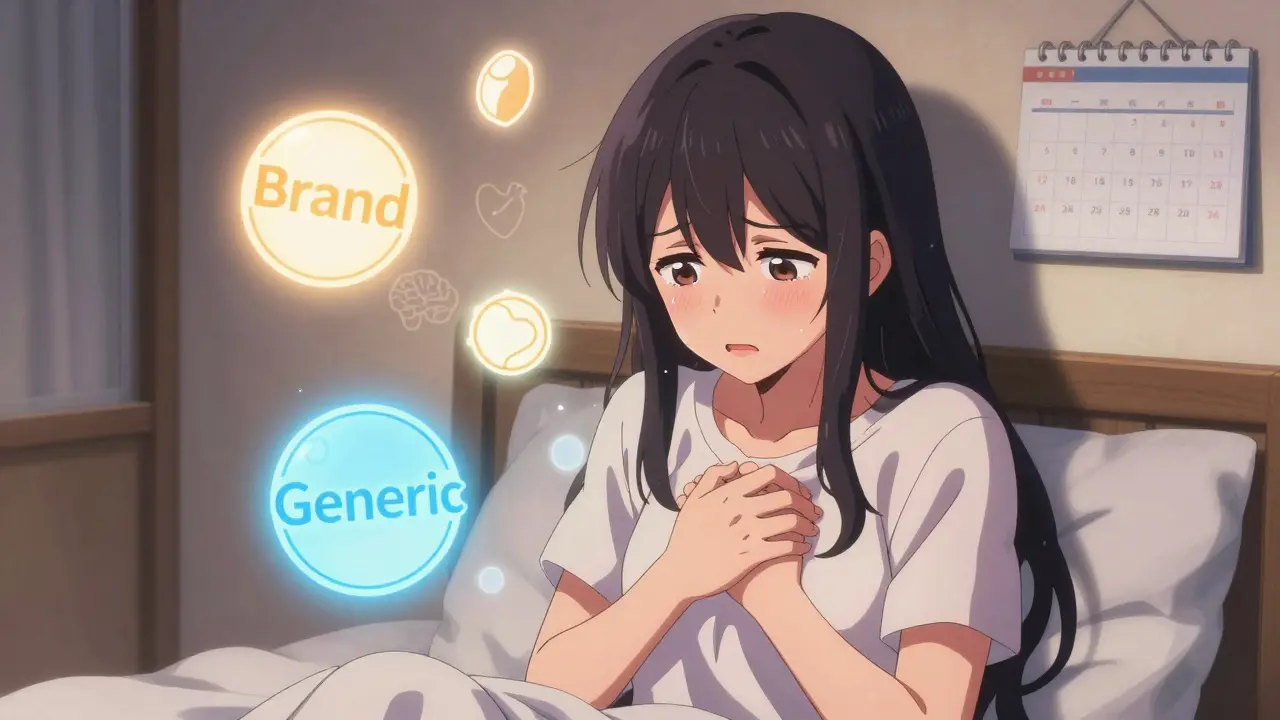
Switching from a brand-name drug to a generic version is supposed to save money without sacrificing effectiveness. The FDA says they’re the same. And for most people, they are. But for some, switching triggers real, sometimes serious problems. If you’ve recently made the switch and something feels off - don’t wait. Knowing the warning signs can prevent hospital visits, worsened conditions, or even life-threatening reactions.
Why Some People React Differently to Generics
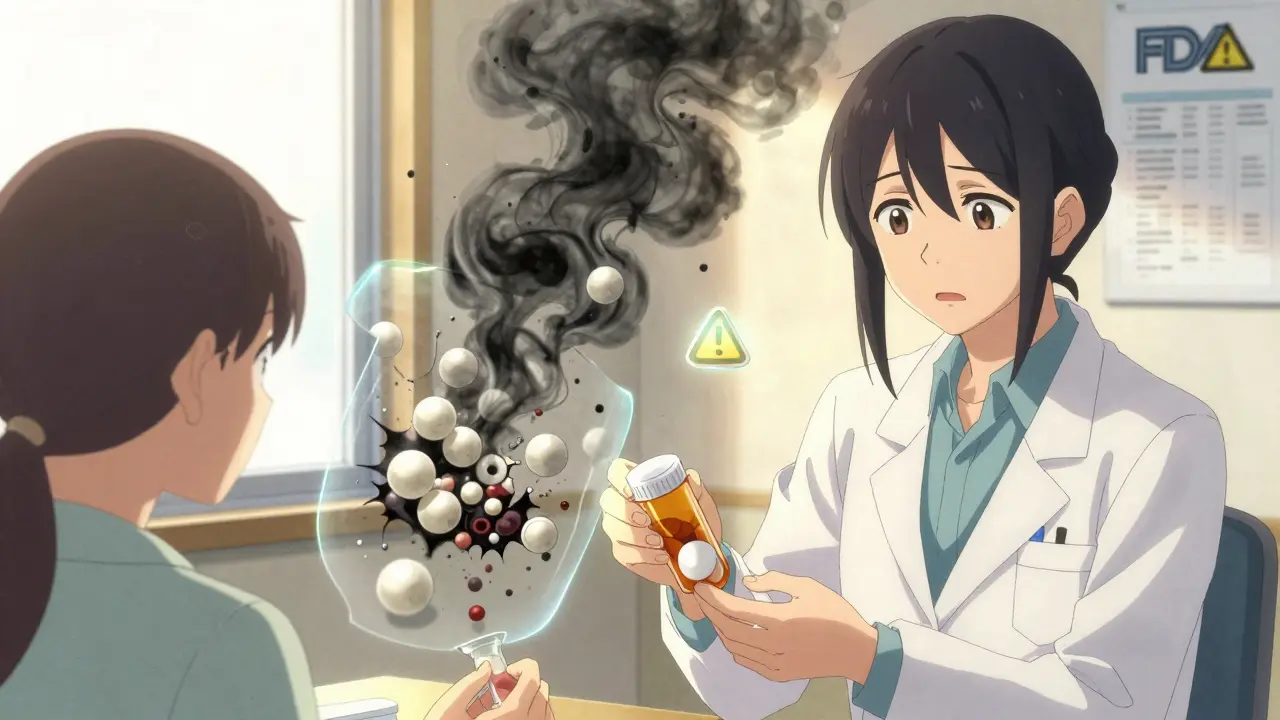
Generic drugs contain the exact same active ingredient as their brand-name versions. That’s the law. But what’s not the same? The fillers, dyes, preservatives, and binders used to hold the pill together. These are called inactive ingredients, or excipients. While they don’t treat your condition, they can trigger reactions in people who are sensitive to them.
For example, one generic version of sertraline might use cornstarch as a filler, while another uses lactose. If you’re lactose intolerant, that tiny difference could cause nausea, bloating, or even a flare-up of anxiety symptoms you thought were under control. A 2023 analysis of over 1,200 patient reviews on Drugs.com found that sertraline, lamotrigine, and levothyroxine had the highest number of reports of side effects after switching to generics.
Then there’s the bigger issue: bioequivalence. The FDA allows generics to deliver between 80% and 125% of the active ingredient compared to the brand. That sounds like a wide window - and for most drugs, it’s fine. But for drugs with a narrow therapeutic index (NTID), even a 5% change can throw your body off balance. These include medications like warfarin, levothyroxine, and phenytoin. A 2017 study found that 15.3% of patients stabilized on brand-name levothyroxine saw their thyroid hormone levels go out of range after switching to generic. That’s not a coincidence - it’s a measurable risk.
Red Flags: When to Call Your Doctor Within 24 Hours
You don’t need to panic over every little change. But if you notice any of these symptoms within a few days of switching to a generic, call your doctor. Don’t wait for your next scheduled appointment.
- Skin rash, hives, or itching - These are the most common reactions, reported in over 14% of adverse events linked to generic switches. If it’s spreading or accompanied by swelling, don’t wait.
- Persistent nausea or vomiting - More than just an upset stomach. If it lasts more than 24 hours or you can’t keep fluids down, it could signal an intolerance to an inactive ingredient.
- Unexplained fatigue or dizziness - If you’re suddenly exhausted or lightheaded without a clear reason, your body may not be absorbing the medication the way it should.
- Worsening of your condition - If your seizures are returning, your thyroid symptoms are flaring, your blood pressure is spiking, or your depression is getting worse, this isn’t normal. It could mean the generic isn’t delivering the drug the same way.
These aren’t rare. A 2022 FDA report showed that 12.1% of adverse event reports tied to generic switches involved reduced effectiveness. That’s more than one in ten people.
Emergency Signs: Call 911 Immediately
Some reactions are dangerous and require immediate medical help. If you experience any of these, do not drive yourself. Call 911 or go to the ER.
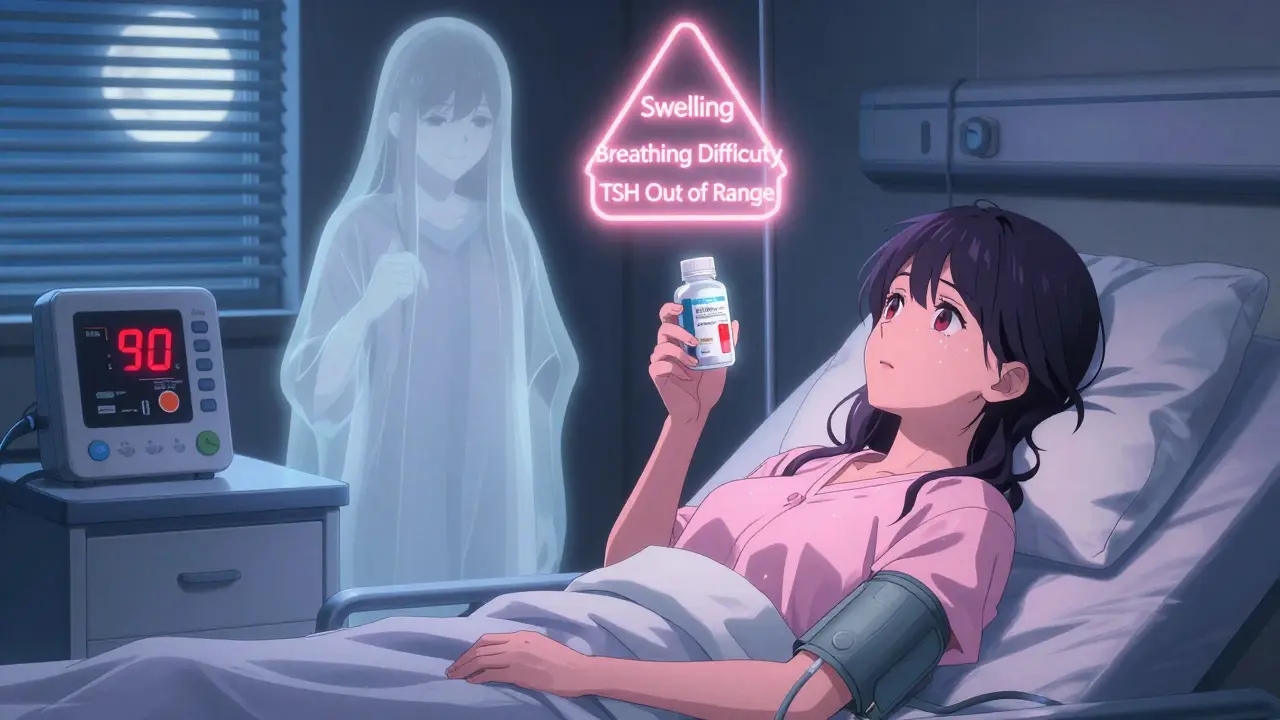
- Swelling of the throat, tongue, or lips - This can block your airway.
- Difficulty breathing or wheezing - Even if it started mildly, it can escalate fast.
- Systolic blood pressure below 90 mmHg - Dizziness, cold skin, confusion, or fainting with low blood pressure can signal anaphylactic shock.
These are rare - occurring in less than 0.05% of cases - but they’re life-threatening. Never ignore them.
High-Risk Medications: Know Your Drug
Not all generics are created equal when it comes to risk. Certain drugs are far more sensitive to small changes in how they’re absorbed. If you’re taking any of these, be extra cautious:
- Levothyroxine (Synthroid) - Used for hypothyroidism. Even tiny shifts in absorption can cause weight changes, heart palpitations, or mood swings. TSH levels should be checked 6-8 weeks after switching.
- Warfarin (Coumadin) - A blood thinner. A small change in dose can lead to dangerous bleeding or clots. INR levels must be monitored closely after any switch.
- Lamotrigine (Lamictal) - For epilepsy and bipolar disorder. Studies show a 25% higher risk of seizure recurrence after switching between generic versions.
- Phenytoin (Dilantin) - Another seizure medication. Serum levels need to be tested to ensure they stay between 10-20 mcg/mL.
- Valproate, cyclosporine, and tacrolimus - Used for transplant patients and autoimmune conditions. Small changes can lead to organ rejection.
The FDA’s Orange Book lists therapeutic equivalence ratings. Look for drugs marked with an “A” rating - these are considered interchangeable. “B” ratings mean there’s potential for differences. Ask your pharmacist to show you the rating for your medication.
What to Do If You Suspect a Problem
If you think your generic isn’t working right:
- Don’t stop taking it cold turkey - that can be dangerous, especially for seizure or heart medications.
- Write down your symptoms: when they started, how severe they are, and whether they match your old experience with the brand.
- Call your doctor. Mention the name of the generic you switched to. Ask if they’ve seen similar reports.
- Request a blood test if you’re on an NTID drug. For levothyroxine, ask for TSH. For warfarin, ask for INR. For phenytoin, ask for serum levels.
- If your doctor agrees, ask to switch back to the brand-name version - even temporarily - to see if symptoms improve.
Some insurance plans require prior authorization for brand-name drugs. If your doctor says you need the brand, they can file a letter of medical necessity. Many states - including California - now require pharmacists to notify prescribers before substituting certain high-risk generics.
How to Avoid Problems in the Future
Prevention is better than reaction. Here’s how to protect yourself:
- Always ask your pharmacist: "Is this the same manufacturer as before?" - Different manufacturers can mean different fillers.
- Keep a list of all your medications and which versions you’ve taken. Note any reactions.
- Ask your doctor to write "Do Not Substitute" on prescriptions for high-risk drugs.
- Check your state’s laws. Over 28 states now restrict automatic substitution for NTID drugs.
- Consider pharmacogenomic testing. Companies like Color Genomics now offer panels that test how your genes metabolize drugs - helping predict if you’re likely to react poorly to a generic.
The bottom line? Generics work for millions. But they’re not magic. They’re still drugs. And your body is unique. If something feels wrong after a switch, trust your instincts. Your doctor needs to know - and you deserve to feel like yourself again.
Can generic drugs really be less effective than brand-name ones?
Yes - for certain drugs. While generics must meet FDA standards for bioequivalence, drugs with a narrow therapeutic index (like levothyroxine, warfarin, and lamotrigine) are sensitive to small changes in how much active ingredient reaches your bloodstream. Studies have shown that switching generics for these drugs can lead to measurable changes in blood levels, causing symptoms to return or worsen. For most medications, this isn’t an issue - but for these, even a 5% difference can matter.
I switched to a generic and now I feel worse. Should I go back to the brand?
Talk to your doctor first. Don’t switch back on your own. For some medications, stopping abruptly can be dangerous. Your doctor can help determine if your symptoms are linked to the switch. If they agree, they can write a prescription with "Do Not Substitute" or file a medical necessity request with your insurance. Many patients find their symptoms improve within days of returning to the brand-name version.
Are there any long-term risks from switching to generics?
For most people, no. Long-term studies on common drugs like metformin, atorvastatin, and lisinopril show no difference in outcomes between brand and generic. But for drugs with narrow therapeutic windows, repeated switches between different generic manufacturers can lead to cumulative instability. One 2020 study found that heart failure patients who switched generics multiple times had a higher rate of hospitalization than those who stayed on one version. Consistency matters.
Why do some pharmacies automatically switch my prescription without asking?
Pharmacies often switch to the cheapest available generic to reduce costs - and many insurance plans require it. But in 28 states, laws now require pharmacists to notify your doctor before substituting certain high-risk drugs. In California, for example, pharmacists must alert prescribers when switching generics for 12 specific medications like levothyroxine and warfarin. Always ask if your pharmacy is required to notify your doctor before making a switch.
Can I request to stay on the brand-name drug even if a generic is available?
Yes. Your doctor can write "Dispense as Written" or "Do Not Substitute" on your prescription. If your insurance denies coverage, your doctor can submit a letter of medical necessity explaining why the brand is needed. Many patients with chronic conditions like epilepsy, thyroid disease, or heart failure successfully maintain access to brand-name drugs through this process.
Pat Fur
March 22, 2026 AT 10:15Switched my levothyroxine last month and felt like a zombie for two weeks. Didn’t think it was the med-just assumed I was stressed. Turns out, the generic had a different filler. Called my doc, they switched me back. I’m human again. Don’t ignore the weird stuff.
Anil Arekar
March 23, 2026 AT 01:13It is a matter of considerable importance that the regulatory framework surrounding generic medications must account for individual physiological variability. While the FDA standards are scientifically rigorous, they are not infallible when applied to populations with diverse metabolic profiles. A one-size-fits-all approach to bioequivalence may overlook critical subgroups.
Elaine Parra
March 23, 2026 AT 20:15STOP acting like generics are some kind of conspiracy. The FDA tests these things. If you’re having side effects, you’re probably just paranoid or not taking it right. My cousin takes generic warfarin and he’s fine. You people need to stop freaking out over every little change.
Natasha Rodríguez Lara
March 25, 2026 AT 18:32I’ve been on lamotrigine for 12 years. Switched generics once because my insurance forced it. Had a mild seizure two weeks later. Never happened before. My neurologist said it was likely the filler. Now I only take the brand. I’m not rich, but my brain is worth it. If you’re on seizure meds, don’t gamble with your safety.
Caroline Bonner
March 27, 2026 AT 06:02Oh my gosh, this is so important! I just switched my generic levothyroxine last week, and I’ve been having heart palpitations, and I thought it was anxiety, but now I’m wondering-was it the new filler? I’m going to call my doctor tomorrow, and I’m also going to check the manufacturer name on the bottle-because I didn’t even know that mattered! Thank you for writing this! I’m sharing this with my entire book club! We’re all on meds, and we never talk about this stuff!
peter vencken
March 28, 2026 AT 15:31generic warfarin hit me hard. i went from stable inr 2.5 to 4.8 in 3 days. no warning. my doc was like ‘huh, weird’ and switched me back. now i just ask the pharma for the same brand every time. they know me. it’s not that hard. just say ‘no subst’ on the script.
Chris Crosson
March 28, 2026 AT 16:46People keep saying ‘trust your body’-and yeah, you should. But also trust data. If your TSH went from 1.8 to 6.3 after a switch, that’s not ‘feeling off,’ that’s a lab result screaming at you. Get tested. Don’t guess. And if your doc brushes you off? Get a second opinion. Your thyroid doesn’t lie.
Linda Foster
March 28, 2026 AT 23:34While the article presents compelling anecdotal evidence, it is imperative that clinical decisions be grounded in peer-reviewed studies and controlled trials. The FDA’s bioequivalence standards are based on extensive statistical analysis, and while individual variations exist, they do not necessarily invalidate the broader safety profile of generic medications.
Rama Rish
March 30, 2026 AT 19:50i switched to generic lamotrigine and got a rash. i thought it was allergies. turned out it was the dye. called my doc, switched back. now i write down the maker name on my phone. simple. lifesaving.
Kevin Siewe
March 31, 2026 AT 19:46If you’re on a high-risk medication and you feel different after a switch, don’t hesitate. Your doctor isn’t there to judge you-they’re there to help. I’ve been a nurse for 18 years. I’ve seen too many people wait too long. Call early. Document everything. And if your pharmacy tries to swap without asking? Say no. You have rights.