
Childproof Medication Storage: Keep Kids Safe from Accidental Poisoning
When it comes to keeping children safe, childproof medication storage, the practice of securing medicines in ways that prevent young children from accessing them. Also known as medication child safety, it’s one of the most overlooked but critical steps in home safety. Every year, over 50,000 children under six end up in emergency rooms because they got into medicines left within reach. It’s not always a curious toddler climbing on a counter—it’s a grandparent putting pills on the nightstand, a mom leaving a bottle on the bathroom counter after taking her dose, or a teen leaving their ADHD meds on the dresser. These aren’t rare accidents. They’re predictable—and preventable.
Medication safety, the set of practices designed to prevent errors, misuse, and accidental exposure to drugs starts long before a child learns to open a bottle. It begins with where you keep your pills. The old advice—"put it up high"—isn’t enough anymore. Kids can climb, pull down drawers, and open child-resistant caps faster than you think. A 2022 study in Pediatrics found that nearly 40% of "child-resistant" containers were opened by children under three in under a minute. That’s why true childproofing means locking medicines away, not just putting them out of sight. Medicine cabinet safety, the specific practice of securing medications in locked or latched storage units, often outside the bathroom is the gold standard. The bathroom? Too tempting. Too wet. Too accessible. The best place? A high cabinet in a bedroom or closet with a lock—preferably one that requires a key or code.
It’s not just about prescription pills. Over-the-counter painkillers, vitamins with iron, cough syrups, and even nicotine patches can be deadly in small doses. One chewable iron tablet can poison a toddler. A single dose of liquid antihistamine can cause seizures. And if you think your child is too young to reach, remember: babies learn to crawl at six months. By nine months, they’re pulling themselves up. By one year, they’re opening doors. Waiting until they’re mobile is too late. Child poisoning prevention, a proactive approach to eliminating access to harmful substances before exposure occurs means acting before the accident happens—not after.
You don’t need fancy gadgets. A simple locking box, a cabinet with a safety latch, or even a locked drawer in a high piece of furniture works. The key is consistency. If you forget to lock it once, you’re rolling the dice. And don’t forget visitors. Grandparents, babysitters, and friends might not know your rules. Leave a note. Show them where the keys are. Make it part of your routine, like checking smoke alarms.
What you’ll find below are real stories and practical guides from families who’ve been there—how to pick the right lock, how to talk to caregivers, what medicines are most dangerous, and how to respond if something goes wrong. These aren’t theoretical tips. They’re lessons learned the hard way. And they’re the kind of advice that doesn’t just protect your home—it saves lives.
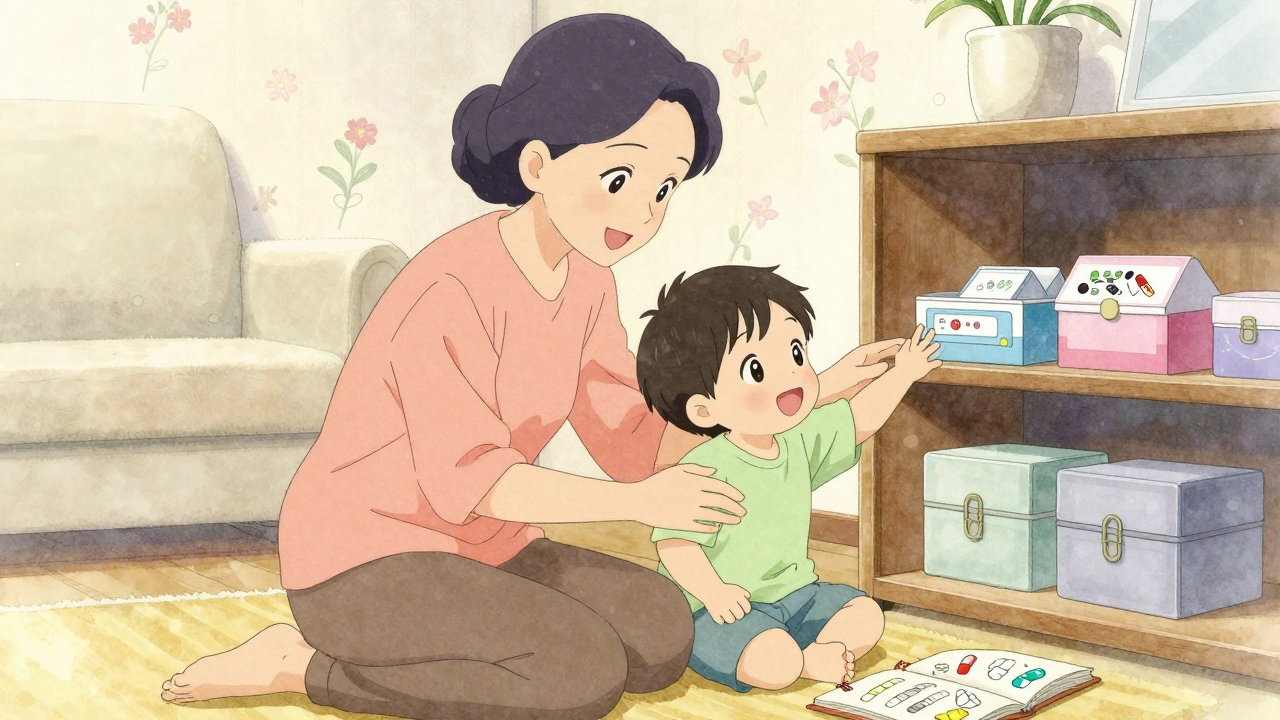
How to Involve Grandparents and Caregivers in Pediatric Medication Safety
Over one-third of pediatric medicine poisonings involve grandparents. Learn practical, non-judgmental ways to help grandparents store meds safely, teach kids what to do, and use free resources to prevent accidents.
VIEW MORE