
Sugar vs. Artificial Sweeteners: How They Affect Your Appetite and Cravings
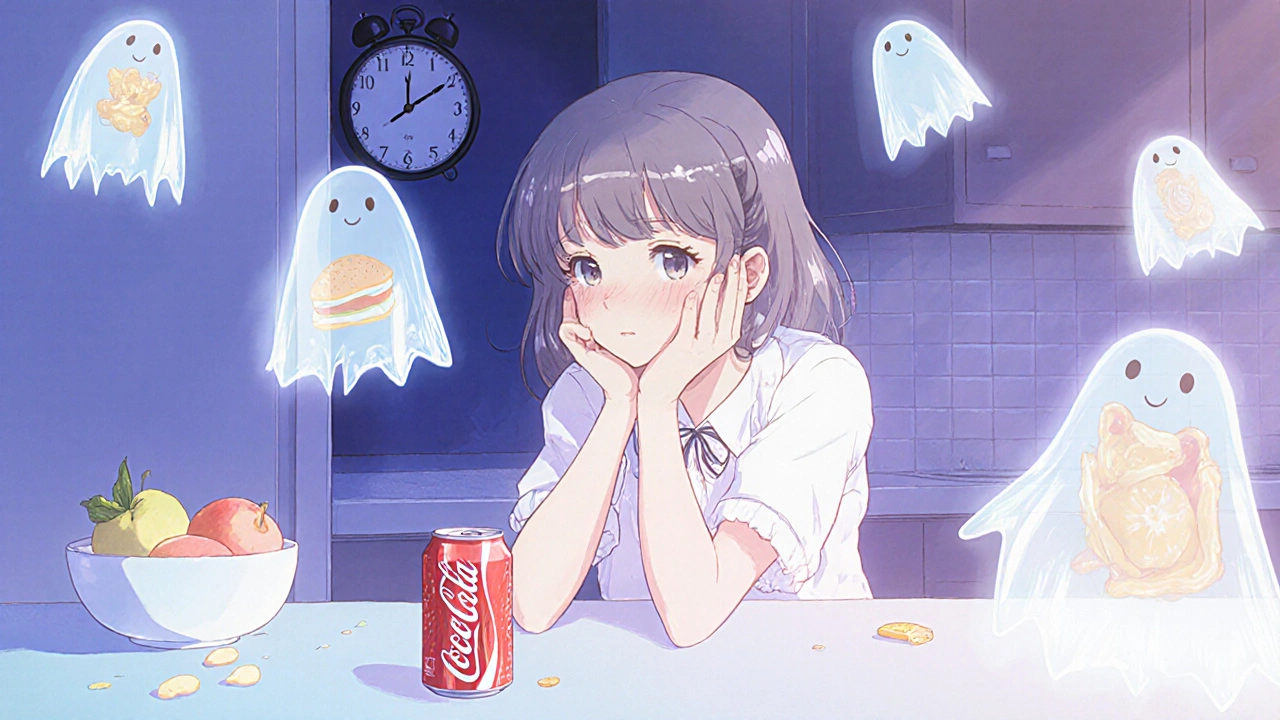
Why Your Cravings Don’t Disappear After Switching to Diet Soda
You cut out soda, swapped sugar for zero-calorie sweeteners, and expected your cravings to fade. But instead, you’re reaching for more snacks. You’re not alone. Millions of people make this switch hoping to lose weight or manage blood sugar-only to feel hungrier than before. The truth? Artificial sweeteners don’t work the same way sugar does in your body. And that mismatch might be making your cravings worse.
How Sugar Tricks Your Brain (and Why Sweeteners Don’t Fix It)
Sugar doesn’t just taste sweet-it tells your body that energy is coming. When you eat it, your gut releases hormones like GLP-1 and insulin. These signals say, "Food is here, stop eating." Your brain gets the message. Your appetite calms down.
Artificial sweeteners? They’re different. They’re 200 to 600 times sweeter than sugar, but they don’t trigger those same signals. A 2023 study from the University of Southern California found that sucralose-common in diet sodas and sugar-free gum-didn’t stimulate GLP-1 release at all. That means your brain gets sweetness without calories. And when that happens, your body gets confused. It expects energy. It doesn’t get it. So it keeps asking for more.
Sex Differences Matter More Than You Think
Women may be more affected by artificial sweeteners than men. The same USC study used fMRI scans and found that sucralose changed brain activity in the hypothalamus-the hunger center-by 40% more in women than in men. That doesn’t mean men are immune. But women are more likely to feel increased hunger after consuming diet drinks. Why? Hormonal differences, brain wiring, and how the body processes sweetness may all play a role. If you’re a woman and you’ve noticed cravings spike after diet soda, you’re not imagining it.
The Long-Term Trap: Your Brain Rewires Itself
Short-term studies show sweeteners help reduce calorie intake. That’s true. But what happens after months? A 2016 study from the University of Sydney gave fruit flies sucralose for five days. Then they offered them sugar. The flies ate 30% more. Why? Their brains had learned to expect energy with sweetness. When that link broke, they overate to compensate.
This isn’t just about flies. Human studies show the same pattern. People who drink diet soda daily for six months or longer are more likely to report increased hunger. A 2024 survey from Healthline found 63% of long-term users felt hungrier, especially with aspartame and acesulfame potassium. Your brain doesn’t care if the sweetener is natural or artificial. It just cares about the pattern: sweet taste + no calories = confusion. Over time, it starts craving more intense sweetness to get the same reward.

Not All Sweeteners Are the Same
Stevia and monk fruit aren’t the same as sucralose or aspartame. They’re plant-based, less processed, and often less intense. In Amazon reviews, stevia-based products like Truvia average 4.2 stars, while sucralose (Splenda) gets 3.8-with 28% of negative reviews citing increased cravings. Why? High-intensity sweeteners like sucralose (600x sweeter than sugar) overload your taste buds. They train your brain to expect extreme sweetness. When you eat something real, like fruit or yogurt, it tastes bland. That’s when you start reaching for more sweet stuff.
Monk fruit and stevia are about 150x sweeter. They’re gentler. Registered dietitians often recommend starting with these instead of jumping straight to sucralose. You’re less likely to reset your sweet tooth.
What Happens When You Combine Sweeteners With Protein
Here’s a simple fix: don’t eat sweeteners alone. Pair them with protein. A 2021 clinical study showed that when people ate Greek yogurt sweetened with a non-nutritive sweetener, their hunger dropped 22% compared to eating the same yogurt without protein. Why? Protein triggers fullness signals. It balances out the mismatch from the sweetener. Try this: swap your diet soda for sparkling water with a splash of stevia and a scoop of protein powder. Or choose a sugar-free yogurt with added protein. You’ll feel fuller longer.
The 2- to 3-Week Adjustment Period
If you’ve just switched from sugar to sweeteners, give your body time. A 2022 study from the SWEET project found that 38% of people felt worse in the first two weeks-more cravings, more sugar thoughts. But after three weeks, most stabilized. This isn’t failure. It’s adaptation. Your brain is rewiring. Don’t quit too soon. Stick with it. And if cravings persist after a month, try reducing sweeteners entirely for a few weeks. Many people find their taste buds reset. Real food starts tasting better.
Who Should Avoid Artificial Sweeteners?
If you’re trying to lose weight and you’re constantly hungry, sweeteners might be working against you. The American Heart Association says they’re okay for short-term use-but not for long-term daily use, especially in kids. Their developing brains are more sensitive to sweet taste patterns. If you have type 2 diabetes, sweeteners help control blood sugar. But 41% of diabetic users in a 2023 ADA survey still reported increased appetite. That’s a trade-off. If your goal is weight loss, not just blood sugar control, you might be better off reducing overall sweetness-sweeteners included.
What to Do Instead
Forget the all-or-nothing approach. You don’t need to go cold turkey on sugar or sweeteners. Try this:
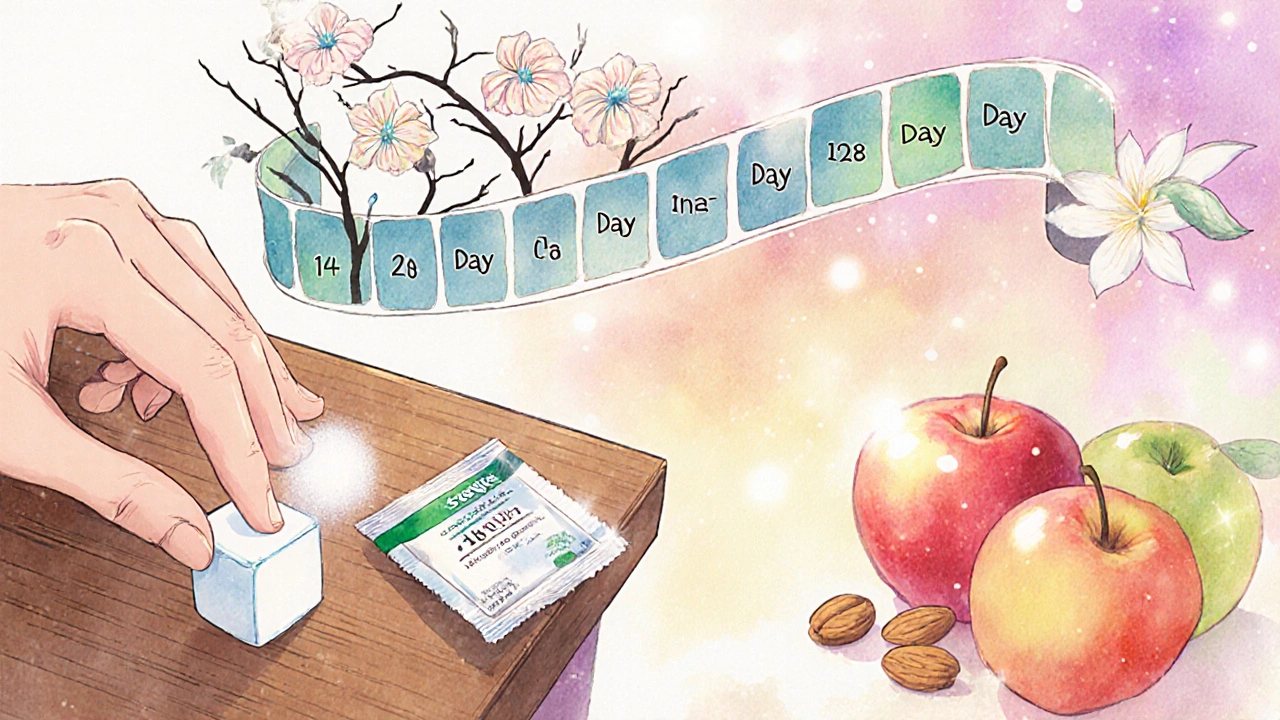
- Reduce sweeteners gradually. Swap one diet soda a week for sparkling water with lemon.
- Choose whole foods with natural sweetness: berries, apples, sweet potatoes.
- Pair any sweet treat-with protein or fiber. A small piece of dark chocolate with almonds? Better than a sugar-free candy bar.
- Give your taste buds a break. Go 10 days without anything artificially sweet. You’ll be surprised how much you start to notice real flavor.
Bottom Line: Sweeteners Aren’t Magic
They help cut calories. But they don’t fix your hunger. If you’re using them to lose weight and you’re still craving snacks, it’s not your willpower. It’s your biology. Your brain is wired to expect energy with sweetness. When that doesn’t happen, it fights back. The best strategy isn’t to replace sugar with artificial sweeteners-it’s to reduce your overall need for intense sweetness. That’s how you break the cycle. Not with a diet drink. But with real food, patience, and time.
Do artificial sweeteners make you gain weight?
They don’t directly cause weight gain, but they can lead to it indirectly. If they increase your hunger or cravings, you may eat more later. Studies show long-term users of sucralose and aspartame report higher calorie intake over time, especially if they’re not pairing sweeteners with protein or fiber.
Are natural sweeteners like stevia safer than artificial ones?
They’re less likely to trigger intense cravings because they’re not as overpoweringly sweet. Stevia and monk fruit are about 150x sweeter than sugar, while sucralose is 600x. Lower intensity means less disruption to your brain’s reward system. Many people report fewer hunger spikes with stevia-based products.
Why do I feel hungrier after drinking diet soda?
Diet soda contains artificial sweeteners like sucralose or aspartame, which trigger your taste buds but don’t signal your body that calories are coming. This disconnect confuses your brain. It expects energy, doesn’t get it, and responds by increasing hunger. Studies show this effect is stronger in women and after long-term use.
How long does it take for cravings to go away after quitting artificial sweeteners?
Most people notice a drop in cravings within 10 to 14 days. For some, it takes up to 4 to 6 weeks, especially if they’ve been using high-intensity sweeteners daily. Your taste buds reset, and real food starts tasting sweeter again. The key is consistency-no sweeteners, even natural ones, during that reset period.
Can I still use artificial sweeteners if I have diabetes?
Yes, they help control blood sugar better than sugar. Studies show a 15% lower glucose spike after meals when using sweeteners instead of sugar. But if you’re also trying to lose weight and you notice increased hunger, consider reducing your intake. The goal isn’t just blood sugar control-it’s managing appetite too. Pair sweeteners with protein to help reduce cravings.
Is there a sweetener that doesn’t increase appetite?
No sweetener is completely free of potential appetite effects, but monk fruit and stevia are the least disruptive. They’re less intense, so they’re less likely to rewire your brain’s reward system. The best approach isn’t finding the "safest" sweetener-it’s reducing your reliance on intense sweetness altogether.
Charmaine Barcelon
November 23, 2025 AT 03:22Karla Morales
November 23, 2025 AT 21:37Javier Rain
November 25, 2025 AT 10:17Laurie Sala
November 27, 2025 AT 02:48Lisa Detanna
November 28, 2025 AT 18:32Demi-Louise Brown
November 28, 2025 AT 18:42Matthew Mahar
November 29, 2025 AT 15:43John Mackaill
November 30, 2025 AT 19:06Adrian Rios
December 2, 2025 AT 10:06Casper van Hoof
December 4, 2025 AT 04:17Richard Wöhrl
December 5, 2025 AT 05:48