Stevens-Johnson Syndrome (SJS) and Toxic Epidermal Necrolysis (TEN): Signs, Risks, and Emergency Care
SJS/TEN Severity & Symptom Checker
1. Estimate Body Surface Area (BSA) Affected
Select the estimated percentage of skin involvement to see the classification.
2. Check for Early Warning Signs
Check all that apply to your current state:
The Spectrum of Severity: SJS vs. TEN
Medical professionals view these two conditions not as different diseases, but as points on the same spectrum of severity. The main difference is how much of your body is affected. If less than 10% of your skin surface is involved, it's classified as Stevens-Johnson Syndrome. When the damage covers 10% to 30%, it's called an overlap syndrome. Once more than 30% of the body surface area is affected, it is diagnosed as Toxic Epidermal Necrolysis (TEN), which is the most severe form of severe cutaneous adverse reactions (SCAR).
In the most extreme cases of TEN, nearly 100% of the skin can slough off, leaving the body without its primary barrier against infection. This is why patients are often moved to specialized burn units or intensive care units (ICU), as the care required is similar to that of a severe thermal burn patient.
Spotting the Warning Signs Early
The danger of SJS and TEN is that they don't start with skin peeling. They start with "prodromal" symptoms that are easy to mistake for a common cold or the flu. You might experience fever, malaise, and a sore throat. Within one to three days, the skin changes begin. A rapidly spreading rash appears, usually accompanied by the involvement of at least two mucosal sites-meaning the membranes lining your mouth, eyes, or genitals.
Common early indicators include:
- Blisters forming on the lips or inside the cheeks.
- Extreme redness and irritation in the eyes (conjunctivitis).
- Painful sores in the genital area.
- A "dusky" red or purple rash that feels tender to the touch.
If you notice these symptoms after starting a new medication, do not wait for the rash to spread. Go to the emergency room immediately. Early intervention is the only way to significantly lower mortality rates, which can climb above 30% for those with full-blown TEN.
High-Risk Medications and Triggers
While these reactions are rare, they are most often caused by specific types of drugs. It's not just about the drug itself, but sometimes how it's introduced to the body. For example, with certain epilepsy medications, increasing the dose too quickly can trigger the reaction.
| Drug Class | Specific Examples | Notes on Risk |
|---|---|---|
| Anticonvulsants | Lamotrigine, Carbamazepine, Phenytoin, Phenobarbital | Higher risk if dose is escalated too rapidly. |
| Antibiotics | Sulfamethoxazole (Sulfonamides), Penicillins | Known as "sulfa drugs"; high association with SCAR. |
| NSAIDs | Meloxicam, Piroxicam (Oxicams) | Certain strong anti-inflammatories carry higher risks. |
| Other High-Risk | Allopurinol, Nevirapine | Used for gout and HIV respectively. |
It is also vital to understand cross-reactivity. If you have had a reaction to one anticonvulsant, your body might react similarly to another one because they share a similar chemical structure. This means survivors must be extremely careful and avoid not only the trigger drug but entire classes of related medicines.
Who Is Most at Risk?
Not everyone who takes these drugs will develop SJS or TEN, but certain factors can tip the scales. Genetic predisposition plays a huge role; if a close family member has had this condition, your risk increases. Additionally, people with compromised immune systems-such as those living with HIV/AIDS or those undergoing chemotherapy-are more susceptible.
There are also specific drug-drug interactions to watch for. For instance, taking sodium valproate at the same time as lamotrigine can increase the likelihood of a severe skin rash. Similarly, people who have already shown an allergy to trimethoprim may be more likely to experience these reactions.
The Road to Recovery and Long-Term Complications
Surviving the initial acute phase of SJS/TEN is the first hurdle, but the recovery process is long. Because the skin and mucous membranes are destroyed, the body often replaces them with scar tissue, which doesn't function as well as the original tissue.
The most concerning long-term issues often happen in the eyes. Between 30% and 50% of survivors face serious ocular complications, including corneal scarring, severe dry eye, and in some cases, total blindness. This is why follow-up care with an ophthalmologist for at least one year is mandatory.
Other lasting effects include:
- Skin Changes: Permanent depigmentation or deep cutaneous scarring.
- Hair and Nails: Diffuse thinning of scalp hair and nail dystrophy (though nails often recover).
- Internal Scarring: Esophageal strictures (narrowing of the throat) or vulvovaginal stenosis in women and phimosis in men.
How to Prevent a Recurrence
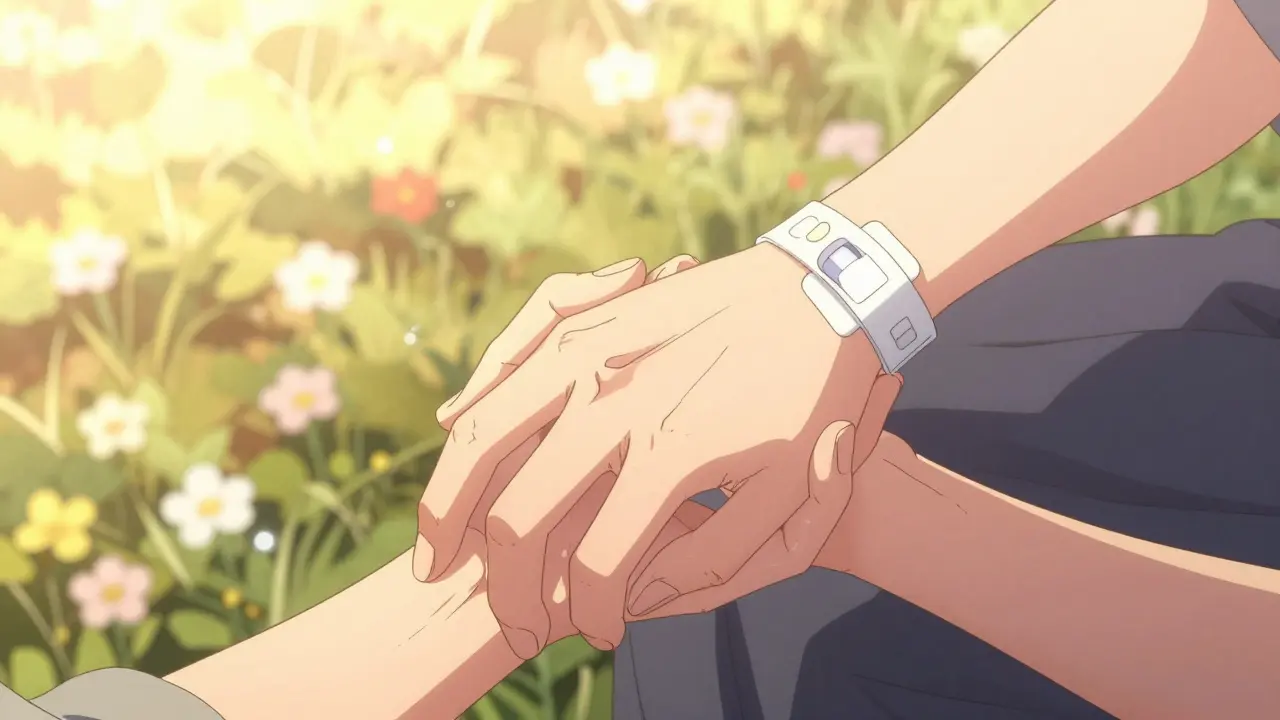
Once you have had SJS or TEN, your immune system is essentially "primed" to attack that specific drug. Re-exposure, even in a tiny dose, can cause a faster and more severe recurrence. The most effective prevention is total avoidance. You should carry a medical alert bracelet or a card in your wallet listing the offending medication and its chemical class.
For those starting high-risk medications like lamotrigine, doctors recommend a very slow dose titration. Some clinicians advise avoiding new foods or other new medicines during the first three months of treatment to ensure that any rash that appears can be clearly linked to the primary medication without confusion.
Is Stevens-Johnson Syndrome always fatal?
No, it is not always fatal, but it is always a medical emergency. Mortality rates vary wildly depending on the severity: SJS has a lower mortality rate (around 5%), while TEN is much more dangerous, with death rates often exceeding 30% due to complications like sepsis and multi-organ failure.
Can I take a similar drug if I had a reaction to one?
Generally, no. Many of the drugs that cause SJS/TEN are structurally related. For example, if you reacted to one anticonvulsant, other drugs in that family might trigger the same reaction. You must consult an allergist or specialist to determine which specific chemical structures you need to avoid.
How is SJS officially diagnosed?
Doctors typically use a skin biopsy to confirm the diagnosis. The biopsy will show full-thickness epidermal necrosis (death of the top layer of skin) with very little inflammation, which distinguishes it from other types of drug rashes.
What is the first thing to do if I suspect SJS?
Stop the suspected medication immediately and go to the emergency room. Do not wait for a scheduled appointment. The most critical first step in treatment is the immediate discontinuation of the causative agent.
Why does SJS affect the eyes and mouth?
SJS targets the epithelium-the lining of various organs. Since the mouth, eyes, and genitals are lined with mucous membranes (a type of epithelium), they are just as susceptible to the necrotic process as the outer layer of your skin.
Next Steps for Patients and Caregivers
If you are currently taking a medication listed as high-risk, the best thing you can do is educate yourself on the early signs. Keep a log of when you start a new dose and monitor for any "flu-like" symptoms. If you are a survivor, your priority is the long-term multidisciplinary team. You will likely need regular check-ups with a dermatologist for skin grafting or scar management, and an ophthalmologist to prevent permanent vision loss.
For those managing chronic conditions with these drugs, remember that a small rash isn't always a disaster-many people get mild rashes that resolve on their own. However, the moment that rash involves the eyes, mouth, or begins to blister, it is no longer a "mild rash." It is time to seek emergency care.

Menu
© 2026. All rights reserved.