
Sarcopenia: How Strength Training Fights Age-Related Muscle Loss
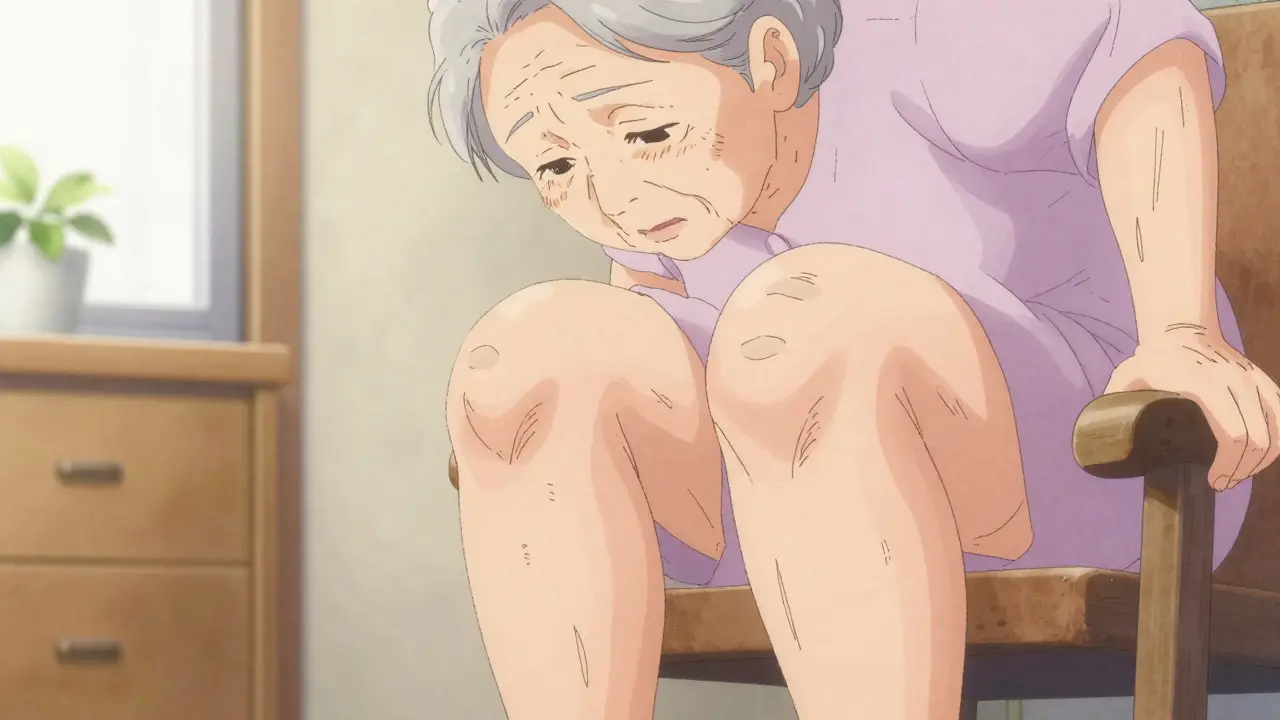
Sarcopenia is a condition characterized by progressive loss of skeletal muscle mass and strength due to aging. First defined in 1989 by Dr. Irwin Rosenberg, it's now diagnosed using specific criteria including handgrip strength, gait speed, and muscle mass measurements. This natural process begins as early as your 30s, with 1-2% annual muscle mass loss after age 65. For most people, sarcopenia develops slowly over time, affecting daily activities and increasing fall risk.
What happens inside your muscles as you age?
Your muscles don't just weaken-they change at a cellular level. Research shows motor neurons (nerves controlling muscles) decline by 3-5% yearly after age 60. This directly impacts how your muscles respond to movement. Type II muscle fibers (fast-twitch fibers responsible for power movements like lifting or climbing stairs) shrink by 30-40% by age 80. Satellite cells, which help repair muscle tissue, lose 50-60% of their regenerative capacity by age 70. Meanwhile, chronic inflammation increases IL-6 and TNF-α levels by 30-50% in older adults, further slowing muscle recovery.
These changes explain why simple tasks become harder. Rising from a chair requires more effort. Carrying groceries feels tiring. Walking speed drops, which is a key indicator of sarcopenia. The European Working Group on Sarcopenia in Older People (EWGSOP) uses a gait speed below 0.8 meters per second as a diagnostic threshold. If you notice yourself slowing down or needing help with everyday activities, it could be an early sign of muscle loss.
How sarcopenia differs from other muscle conditions
| Condition | Definition | Key Characteristics | Progression Rate |
|---|---|---|---|
| Sarcopenia | Age-related loss of muscle mass and strength | Diagnosed via handgrip strength, gait speed, DXA scans | 1-2% muscle mass loss per year after 65 |
| Cachexia | Systemic inflammation causing rapid weight loss | Associated with cancer, heart failure, kidney disease; 5-10% body weight loss | Uncontrolled weight loss (5-10% in 6 months) |
| Dynapenia | Loss of muscle strength without significant mass reduction | Strength decline without measurable muscle loss; often precedes sarcopenia | Strength decreases 3-5% per year after age 60 |
| Sarcopenic Obesity | Low muscle mass combined with high body fat | BMI >30 with appendicular lean mass below EWGSOP thresholds | Accelerated muscle loss in obese older adults |
Why strength training works for sarcopenia
Unlike medications or supplements, strength training directly addresses the root causes of muscle loss. Johns Hopkins researcher Dr. Jeremy Walston found that resistance exercise increases muscle mass by 1-2kg and strength by 25-30% in older adults within 12-16 weeks. The American College of Sports Medicine recommends 2-3 sessions per week, with 1-3 sets of 8-12 repetitions at 60-80% of your one-rep maximum (1RM). This targets major muscle groups like legs, back, and arms.
Here's how it helps your body: Progressive overload (gradually increasing weight) stimulates muscle protein synthesis, counteracting the 20-25% decline in protein production that comes with aging. It also improves insulin sensitivity, which helps muscles absorb nutrients better. Most importantly, strength training strengthens the connection between nerves and muscles. A 2023 Circulation review showed that older adults who did twice-weekly strength training improved gait speed by 0.1-0.2 meters per second and reduced fall risk by 30-40%.
Real-world success stories
On Reddit's fitness forum, a 68-year-old man shared: "After six months of twice-weekly resistance training, my handgrip strength increased from 18kg to 24kg. I can open jars again." A 72-year-old woman on Healthgrades reported: "The 10-week SilverSneakers program reduced my fall risk score from 42 to 28 on the assessment tool." The National Council on Aging surveyed 3,215 older adults and found 75% who did strength training twice weekly maintained independence in daily activities versus 58% of non-exercisers.
These aren't isolated cases. Data from SilverSneakers (used by 4.2 million seniors in 2022) shows a 37% increase in strength training participation among enrollees. Medicare Advantage plans now cover these programs, making them accessible to many. For those who started with bodyweight exercises like chair squats and wall push-ups, 68% of users over 65 saw improved chair-rising ability within 8-12 weeks.
How to start strength training safely
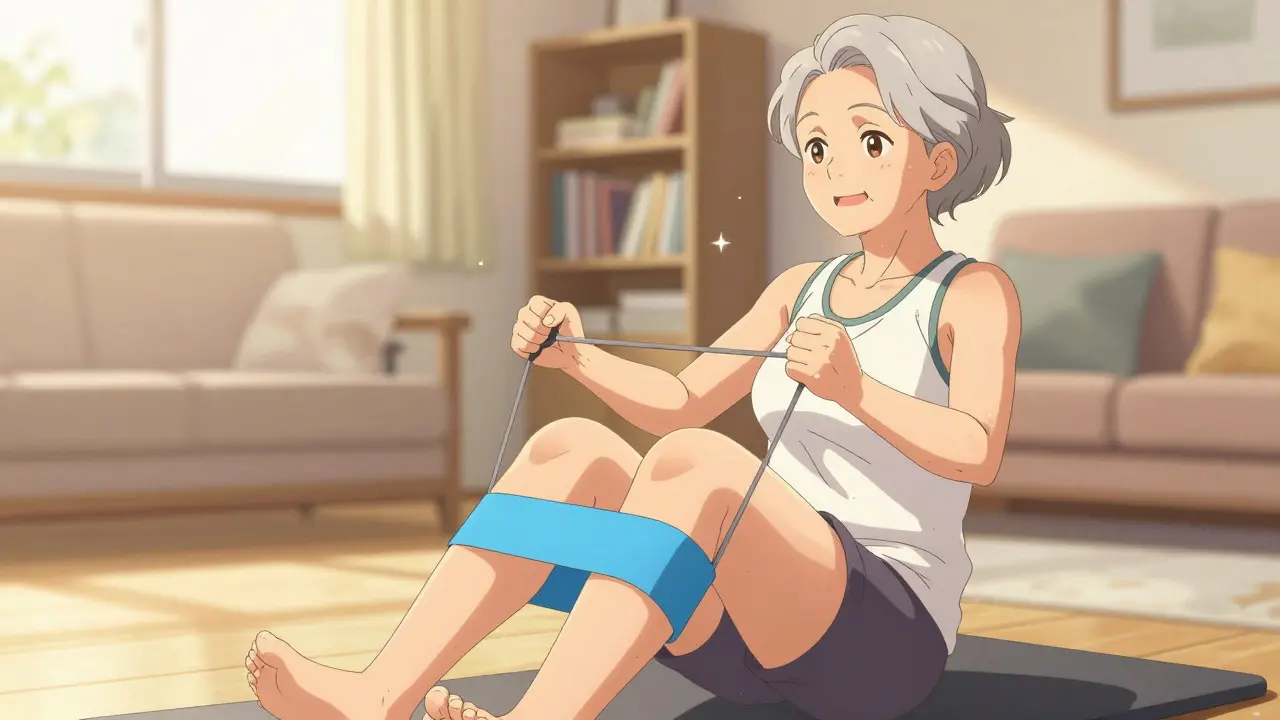
You don't need a gym membership or heavy weights. The CDC recommends beginning with bodyweight exercises: 2 days per week, doing 10-15 repetitions of chair squats (sit-to-stand), wall push-ups, and seated leg lifts. After two weeks, add resistance bands (TheraBand levels 1-5) at 50-60% of your 1RM. Focus on proper breathing: exhale during exertion (like standing up from a squat), inhale during relaxation.
As you progress, move to weight machines at 60-70% of your 1RM for 8-12 reps. Always warm up for 5 minutes with light walking or arm circles. Rest 48 hours between sessions for the same muscle groups. After workouts, eat 20-30g of protein within 45 minutes-like Greek yogurt or a protein shake. This timing supports muscle repair better than eating later.
Overcoming common challenges
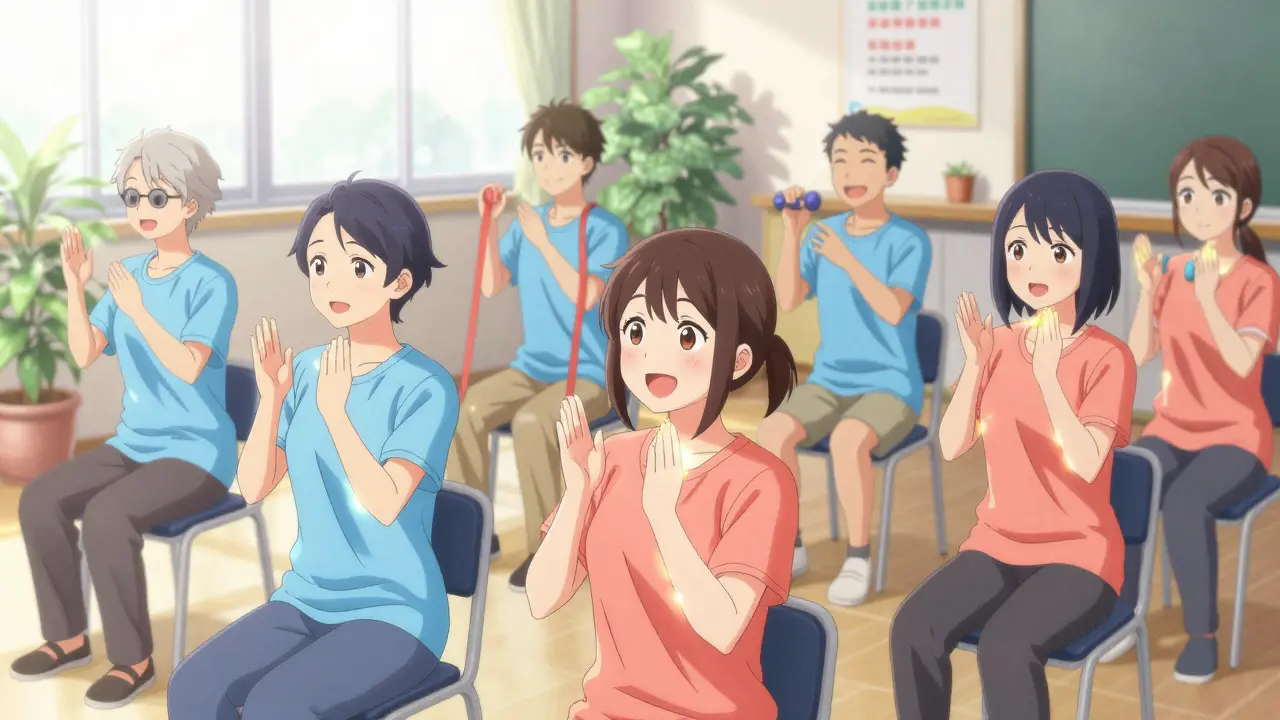
Many older adults struggle with joint pain or motivation. For joint issues, try seated exercises or machines with adjustable ranges of motion. The Cleveland Clinic found that reducing range of motion by 20-30 degrees during leg presses reduces knee pain by 40% for beginners. If balance is a concern, hold onto a sturdy chair during exercises. For motivation, join social groups like SilverSneakers classes. National Institute on Aging data shows social exercise groups increase adherence by 35-40%.
Cost is another barrier. While specialized senior training programs average $50-$75 monthly, many communities offer free or low-cost options. Public parks often have outdoor fitness equipment. Local senior centers frequently host strength classes. If you're on Medicare, check if your plan includes SilverSneakers-it's free for millions of seniors.
What's next for sarcopenia treatment
Researchers are exploring new solutions. The FDA approved RT001 (a mitochondrial-targeted therapy) for clinical trials in 2023. The SPRINTT project's home-based strength training protocol improved physical performance scores by 15-20% in six months. Future developments include blood biomarkers like myostatin and GDF-15 for early detection. AI-powered apps like Exer AI show 25% better adherence with real-time feedback.
With 72 million Americans projected to be over 65 by 2030, scalable solutions are critical. Telehealth-delivered strength training is 85% as effective as in-person sessions, according to JAMA Internal Medicine. This could bridge the gap for the 12,500 certified geriatric physical therapists nationwide. For now, the simplest solution remains consistent strength training-starting where you are, with what you have.
What are the signs of sarcopenia?
Common signs include difficulty lifting objects, trouble rising from a chair, slower walking speed (below 0.8 m/s), and increased fatigue during daily activities. These often appear gradually and may be mistaken for normal aging.
How is sarcopenia diagnosed?
Diagnosis combines measurements: handgrip strength below 27kg for men or 16kg for women, gait speed below 0.8m/s, and appendicular lean mass below 7.0kg/m² for men or 5.5kg/m² for women using DXA scans. The European Working Group on Sarcopenia in Older People (EWGSOP) sets these standards.
Can sarcopenia be reversed?
Yes. Research shows strength training can rebuild muscle mass and improve function. In 12-16 weeks, older adults typically gain 1-2kg of muscle and 25-30% more strength. Consistency matters-missing sessions slows progress, but starting even at 70+ years old shows benefits.
How often should I do strength training?
The American College of Sports Medicine recommends 2-3 sessions per week for major muscle groups. Rest 48 hours between sessions for the same muscles. Beginners can start with 1-2 days weekly, gradually increasing frequency as strength improves.
What exercises are safest for beginners?
Start with bodyweight exercises: chair squats (sit-to-stand), wall push-ups, and seated leg lifts. Use resistance bands for added challenge. Avoid heavy weights or complex movements initially. Always have a chair nearby for support if balance is a concern.
Does strength training help with joint pain?
Yes. Strengthening muscles around joints reduces stress on them. For knee pain, leg press machines with reduced range of motion (20-30 degrees less) lower pain by 40%. For shoulder issues, resistance band exercises improve mobility without heavy lifting. Always consult a physical therapist for personalized modifications.
Can I do strength training if I have osteoporosis?
Yes, but with precautions. Focus on low-impact exercises like seated rows or light dumbbell lifts. Avoid twisting motions or heavy weights that could fracture bones. Work with a trainer experienced in osteoporosis management. Studies show strength training increases bone density in older adults when done correctly.
How long until I see results?
Most people notice improved strength and easier daily tasks within 4-6 weeks. Muscle mass increases typically show in 8-12 weeks. Consistency is key-stick with the program for at least 3 months to see significant changes in function and balance.
Ariel Edmisten
February 8, 2026 AT 00:00Start with bodyweight exercises, they work wonders.
Niel Amstrong Stein
February 9, 2026 AT 00:57Yo, this is solid info. 🤝 I've been doing squats for my grandpa and he's way better at getting up. Keep it chill, folks. 🌟
Paula Sa
February 9, 2026 AT 05:31Your point about starting with bodyweight exercises is spot on. It's all about building that foundation slowly. I've seen so many people benefit from just consistent, simple movements. It's not about the intensity but the consistency. Every small step counts. 💫 For example, a friend of mine, 72, started with chair squats and wall push-ups. After 3 months, she could carry groceries without help. It's amazing how small changes add up. Muscle loss isn't inevitable; it's manageable. The key is to stay consistent. Don't wait until you're struggling to start. Even 10 minutes a day makes a difference. I've read studies showing that just 2-3 sessions a week can reverse muscle loss. It's never too late to start. I'm so glad this article highlights the importance of strength training. Let's keep supporting each other in this journey.
Mary Carroll Allen
February 9, 2026 AT 06:31OMG this is life changing! I was so scared to start but now I'm doing 3x a week and my legs are stronger than ever. I almost fell over when I could open a jar without help. So gratefull. 🙌
Amit Jain
February 9, 2026 AT 21:24Chill? Nah, you need to push hard. If you're not struggling, you're not making progress. My grandma did 50kg deadlifts at 70. Stop being lazy and lift heavy. 🤡
Joey Gianvincenzi
February 10, 2026 AT 19:12Allow me to state unequivocally that the scientific consensus on sarcopenia management is unequivocally clear. Strength training is the sole evidence-based intervention. Any deviation from this protocol is medically unsound. The data is irrefutable.
Ritu Singh
February 11, 2026 AT 16:24Your assertion is accurate, yet I would add that cultural context is vital. In many communities, traditional exercises like yoga and martial arts also contribute significantly. A holistic approach is necessary for sustainable outcomes. For instance, in South Asian cultures, practices like yoga and pranayama have been used for centuries to maintain strength and flexibility. Similarly, African martial arts like Capoeira incorporate functional movements that build muscle without heavy weights. These traditions often integrate mental and physical health, which is crucial for aging populations. Moreover, the social aspect of these activities fosters community support, which is often overlooked in clinical settings. Studies from the WHO show that culturally adapted programs have higher adherence rates. It's not just about the exercise but the environment. In my experience working with seniors, combining local traditions with evidence-based methods yields the best results. We must recognize that one-size-fits-all solutions don't work. Tailoring interventions to cultural backgrounds makes them more effective. For example, in India, community-based yoga sessions for seniors have reduced falls by 30%. It's about integrating what works for each community. The science is clear, but implementation must be inclusive. Let's not forget that strength training isn't just physical; it's emotional and social too. By embracing diverse traditions, we can create sustainable, effective programs for everyone. This is why collaboration across cultures is so important in addressing sarcopenia.
Sarah B
February 12, 2026 AT 07:30America leads in strength training research no other country compares we have the best programs period
Eric Knobelspiesse
February 12, 2026 AT 09:33Ugh, so jingoistic. 'America leads'... but what about the global studies? The SPRINTT project is EU-based. Also, your 'period' is just an emotional statement. Fact check urself.
Heather Burrows
February 13, 2026 AT 04:43Eric, your tone is so negative. Maybe you should focus on your own issues instead of criticizing others. Honestly, it's exhausting.
Mark Harris
February 14, 2026 AT 00:58Let's get after it! Every rep counts. You got this. 💪