
Narrative Medicine: How Stories Shape Our Acceptance of Health Treatments
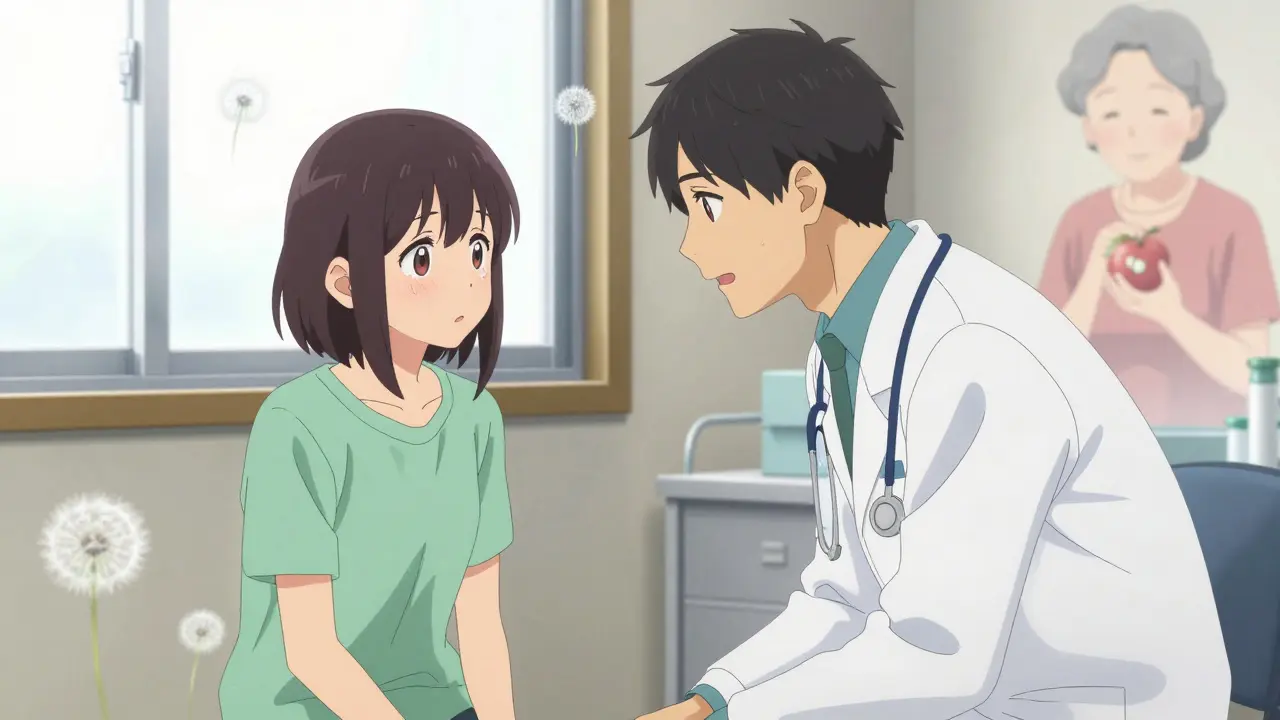
When a doctor says, "You have diabetes," the patient hears more than a diagnosis. They hear fear, loss, change. Maybe they think of their grandfather who lost his foot. Maybe they remember the sugar-coated pills their mom hid in applesauce. That’s not just background noise-it’s the story that decides whether they’ll take the pill or not.
Why stories matter more than statistics
Most healthcare still runs on numbers: blood pressure, HbA1c levels, cholesterol ratios. But those numbers don’t tell you why someone skips their insulin. Why a cancer patient refuses chemo. Why an elderly man won’t use his walker, even though he’s falling. In 1996, Dr. Rita Charon, a physician and literary scholar at Columbia University, noticed something missing. Clinicians were trained to listen for symptoms, not stories. They’d interrupt. They’d rush. They’d treat the disease, not the person living with it. So she started teaching doctors to read literature-not to pass English class, but to learn how to listen. Narrative medicine isn’t about poetry readings or therapy sessions. It’s a practical skill: the ability to hear, absorb, and respond to the full human experience behind a diagnosis. And it’s changing how people accept treatment. A 2023 study in The Permanente Journal found that over half of pediatric residents showed signs of burnout. But those who regularly participated in narrative medicine sessions-where they wrote about their hardest patient cases, shared them in groups, and listened without fixing-reported higher empathy, better self-care, and less emotional exhaustion. That’s not fluff. That’s survival. And when doctors feel less drained, patients feel less alone.How narrative medicine works in real life
At the Veterans Affairs Whole Health Library, clinicians are trained to listen for metaphors. A patient says, "My pain is a storm I can’t escape." That’s not just poetic. It’s data. It tells the provider: this person feels powerless. Control matters to them. So treatment plans that emphasize choice-like pacing activities, choosing when to take meds, tracking triggers-work better than rigid schedules. At the University of Kentucky, patients join 60-minute sessions with trained facilitators. No judgment. No advice. Just: "Tell me what this illness has taken from you." One woman, newly diagnosed with MS, said she felt like her body had "betrayed" her. The facilitator didn’t correct her. She didn’t offer hope. She said: "That makes sense. Your body was your home. Now it feels like a stranger." And for the first time, this woman cried-not from sadness, but from being seen. That moment didn’t cure MS. But it made her willing to try the first treatment. Because acceptance doesn’t come from logic. It comes from feeling understood.The four capacities that change outcomes
Columbia’s program teaches four core skills-attention, representation, affiliation, and creativity. These aren’t abstract. They’re tools.- Attention: Not just hearing words, but noticing silence. The patient who says, "I’m fine," but won’t look you in the eye. The tremor in their hand when they mention their son’s name.
- Representation: Helping patients put their chaos into words. Writing a letter to their younger self before diagnosis. Drawing their pain as a landscape.
- Affiliation: Creating connection. Group sessions where patients realize they’re not the only ones who feel guilty for being sick.
- Creativity: Finding new ways to cope. One man with chronic pain started painting. He didn’t get better. But he stopped asking, "Why me?" and started asking, "What can I make from this?"
Why patients say "yes" to treatment
Take heart failure. The standard advice: reduce salt, monitor weight, take four pills a day. Most patients don’t follow it. Why? Because they don’t see themselves in the instructions. But when a nurse asks: "What does your heart mean to you?"-a 72-year-old man says, "It lets me dance with my wife on Sundays." Suddenly, the pills aren’t about numbers. They’re about Sundays. He starts tracking his weight. He calls in when he gains two pounds. Why? Because his story now has a purpose. That’s narrative medicine in action. It doesn’t change the science. It changes the meaning.How providers get stuck-and how they break free
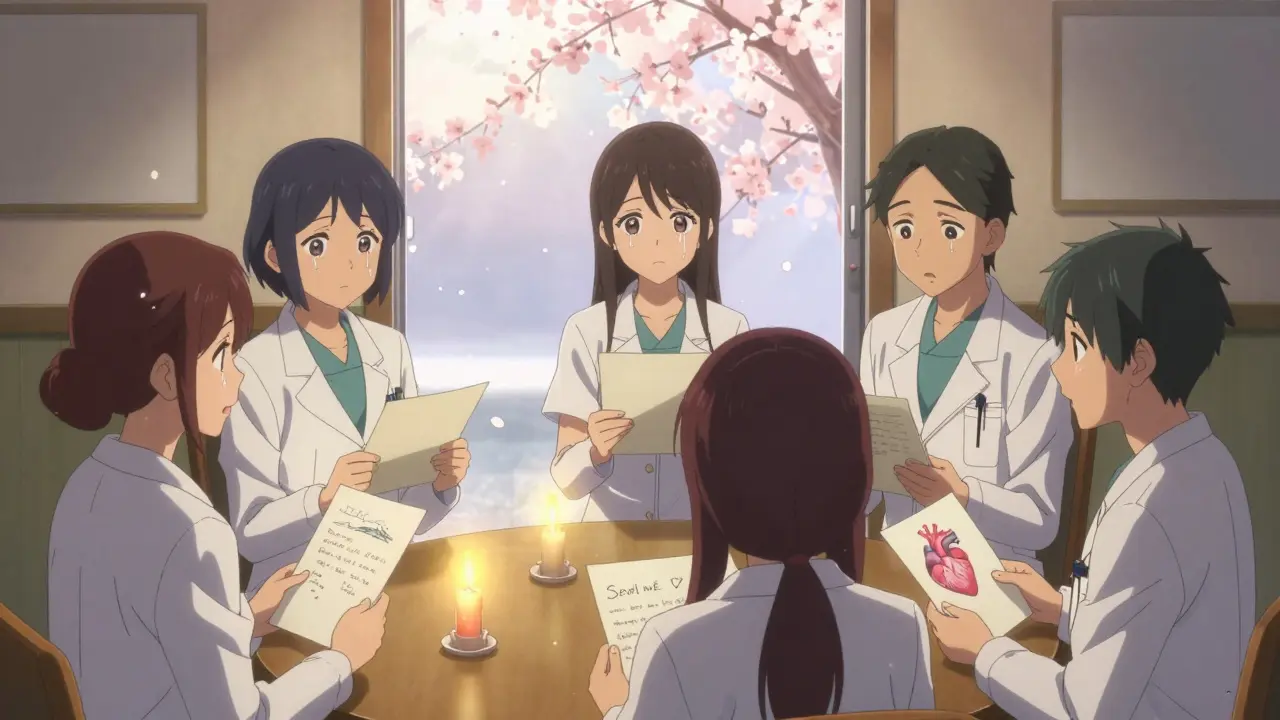
Doctors aren’t immune to emotional overload. Many spend years suppressing their own grief, fear, and frustration. They learn to detach. But detachment doesn’t protect them. It isolates them. Schwartz Center Rounds-structured group sessions where clinicians share difficult cases-are one way hospitals are addressing this. A nurse once cried while describing a 14-year-old who died alone because her parents couldn’t afford the flight to the hospital. No one fixed it. No one could. But after sharing, the team felt less alone. They started checking in on each other. They started asking patients: "What matters most to you?"-not just at admission, but every day. That’s not weakness. It’s resilience.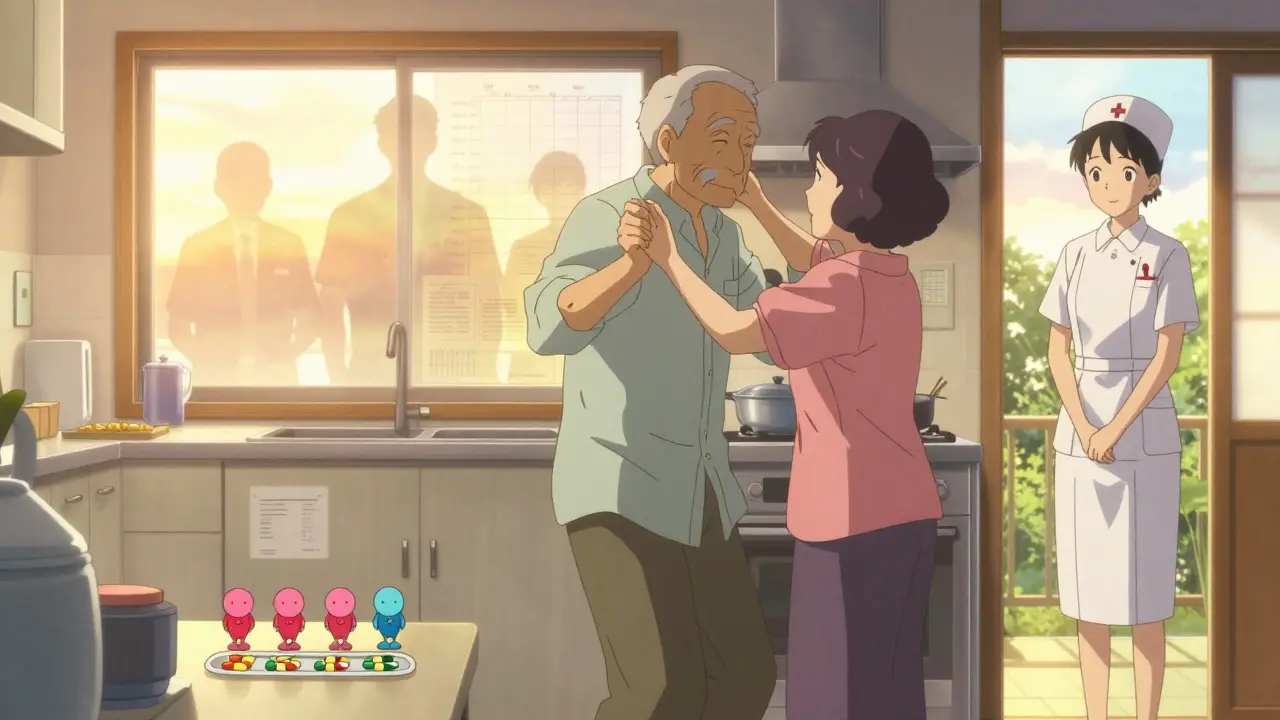
Where narrative medicine is heading
Columbia now requires all first-year medical students to take narrative medicine seminars. Other schools are following. The VA has embedded it into their Whole Health system. Hospitals are hiring narrative medicine facilitators-not as counselors, but as part of care teams. And it’s working. Patient satisfaction scores rise. Medication adherence improves. Emergency visits drop. But the biggest win? Clinicians report feeling more human. And patients? They feel like more than a chart. The future of healthcare isn’t just better tech or cheaper drugs. It’s better listening. It’s stories that carry weight. Stories that say: I see you. I hear you. And I won’t let you face this alone.Why this isn’t just "soft" medicine
Some still think narrative medicine is a luxury-something for poets, not physicians. But Dr. Charon calls it a "basic science mandatory for medical practice." Why? Because the body doesn’t heal in a vacuum. It heals in context. In relationships. In meaning. A study in JAMA showed patients who felt their stories were heard were 30% more likely to follow treatment plans. That’s not anecdotal. That’s evidence. And it’s not about being nice. It’s about being effective. You can’t fix a broken leg with empathy. But you can’t fix a broken spirit with a cast alone.What you can do-whether you’re patient or provider
If you’re a patient: Try writing one paragraph about what your diagnosis changed in your life. Not for anyone else. Just for you. What did you lose? What did you find? If you’re a provider: Next time a patient says, "I’m fine," pause. Ask: "What does being fine look like for you?" Then wait. Really wait. If you’re a caregiver: Listen to the silence between their words. That’s where the truth hides. Stories don’t cure disease. But they make healing possible.What is narrative medicine?
Narrative medicine is a healthcare approach that uses the power of personal stories to improve patient care. Developed by Dr. Rita Charon in 1996, it trains clinicians to listen deeply, interpret metaphors, and respond to the emotional and personal dimensions of illness-not just the clinical symptoms. It’s based on the idea that understanding a patient’s story leads to better diagnosis, treatment adherence, and emotional healing.
How does storytelling affect whether someone accepts treatment?
When patients feel heard, they’re more likely to trust their provider and see treatment as part of their own life story, not an external demand. For example, someone who describes their diabetes as "stealing my Sundays" may be more willing to manage it if their care plan protects those moments. Stories give meaning to medical advice, turning it from a rule into a personal choice.
Is narrative medicine only for mental health or chronic illness?
No. While it’s especially powerful in chronic illness, cancer, and mental health, narrative medicine helps in any situation where emotion, fear, or identity is involved-like post-surgery recovery, pediatric care, or even acute trauma. A child who says, "My arm is broken, but my toy isn’t," is telling a story that guides care. It’s not about the diagnosis-it’s about the person behind it.
Can narrative medicine reduce burnout in healthcare workers?
Yes. A 2023 study found that over 50% of pediatric residents showed signs of burnout, but those who participated in narrative medicine sessions reported higher empathy, self-compassion, and resilience. By sharing difficult patient stories in safe spaces, clinicians process grief and trauma instead of suppressing it-reducing emotional exhaustion and restoring connection to their purpose.
Do I need special training to use narrative medicine?
Formal training helps, but you don’t need a degree to start. Anyone can practice by listening without fixing, asking open questions like "What’s been hardest?" or "What do you wish people understood?", and giving space for silence. The goal isn’t to solve the story-it’s to hold it with care.
Is narrative medicine backed by science?
Yes. Studies in JAMA and The Permanente Journal show that patients who feel their stories are heard are significantly more likely to follow treatment plans. Clinicians who practice narrative medicine report improved emotional well-being and reduced burnout. It’s not just philosophy-it’s evidence-based practice.
Sanjana Rajan
March 17, 2026 AT 14:03Oh please. So now we’re giving out Nobel prizes for listening? My aunt had diabetes and she still ate cake every Sunday. No amount of "storytelling" changed that. People don’t take meds because they’re lazy, not because they didn’t feel "seen." This is just feel-good fluff dressed up as science.
Kyle Young
March 19, 2026 AT 01:52It’s fascinating how this framework aligns with phenomenological hermeneutics in medical anthropology. The body as text, the illness narrative as lived experience-this isn’t new, but its institutional adoption is. What’s compelling is the epistemic shift: from biomedicine as objective truth to a co-constructed meaning between clinician and patient. The data supports it, yes, but the philosophical underpinnings are what make this revolutionary.
Melissa Stansbury
March 20, 2026 AT 22:07I work in oncology. Last week, a patient said her cancer felt like "a betrayal by her own cells." I didn’t say anything. Just sat there. She cried. Then she asked for her chemo schedule. I didn’t fix it. I didn’t cheer her up. I just held space. That’s all it took. This isn’t magic. It’s basic humanity. Why is this even controversial?
cara s
March 20, 2026 AT 22:50Let me just say-this is the most profound, beautifully articulated, and desperately needed paradigm shift in modern medicine that I’ve encountered in over two decades of clinical practice. The way the author weaves together literary theory, neurobiology, and frontline clinical experience is nothing short of a masterclass. I wept reading the part about the woman with MS-because I’ve been that facilitator. And I’ve seen the data: when patients feel *known*, not just diagnosed, adherence increases by margins that no pharmaceutical incentive ever could. This isn’t soft. It’s survival. And if your hospital hasn’t implemented this, you need to quit and find one that has.
Amadi Kenneth
March 22, 2026 AT 02:52Ryan Voeltner
March 23, 2026 AT 00:42Beautifully written. I’ve been practicing this for years without knowing it had a name. The moment a patient says "I’m fine" and you pause-really pause-that’s where the work begins. It’s not about fixing. It’s about bearing witness. And yes, it changes outcomes. I’ve seen it. No stats needed.
becca roberts
March 23, 2026 AT 01:51Oh wow. So if I just ask my diabetic neighbor "What does your pancreas mean to you?" he’ll magically start taking metformin? And my kid’s asthma inhaler? Maybe if I ask, "What does your breath feel like?" it’ll turn into a haiku? I love how we’ve elevated empathy to a clinical intervention. Next they’ll bill insurance for hugs. But hey-if it makes the docs feel less like robots, I’m all for it. Just don’t call it medicine. Call it therapy with a stethoscope.
Andrew Muchmore
March 24, 2026 AT 20:52My dad died of heart failure. He didn’t follow his diet. Not because he wasn’t heard. Because he was stubborn. And tired. And scared. This article romanticizes compliance. It ignores that sometimes, people just don’t care anymore. That’s not a story problem. That’s a human problem. Stop pretending listening fixes everything.
Paul Ratliff
March 26, 2026 AT 17:15SNEHA GUPTA
March 26, 2026 AT 21:50There is an undeniable truth here: medicine has become a transactional industry. We treat the biomarker, not the being. I’ve seen colleagues dismiss a patient’s grief over losing mobility as "non-compliance." But when you sit with someone’s silence, when you let them name their loss without offering a solution-you create the space for healing to begin. This is not alternative. It is foundational.
Gaurav Kumar
March 27, 2026 AT 01:44David Robinson
March 28, 2026 AT 07:50Let’s be real. Narrative medicine is just another way for hospitals to get paid for extra sessions. They bill it as "emotional support counseling." Insurance loves it. Patients love it. But here’s the catch: the same doctors who do these sessions are the ones cutting 15-minute visits. So they’re asking you to tell your story… then rushing off to see the next one. This isn’t healing. It’s performance art with a clipboard.
Jeremy Van Veelen
March 29, 2026 AT 09:48Oh my god. I just read this and I’m crying. Not because I’m emotional. But because this is the first time I’ve ever seen my experience as a patient-not as a case, not as a chart, not as a statistic-but as a human being with a history, a grief, a love, a fear. I had cancer. I didn’t want to talk about it. But when my oncologist sat down and said, "Tell me what you’re afraid to lose," I told her about my daughter’s first dance. And then I said yes to chemo. I didn’t know I needed that. I didn’t know it was part of treatment. Now I do. Thank you for writing this. I’m not alone.
Laura Gabel
March 31, 2026 AT 00:21So now we’re calling crying at work a medical intervention? This is why healthcare is broke. We’re spending millions on therapists for doctors while patients wait 6 months for a specialist. Give me a pill. Not a poem.
jerome Reverdy
March 31, 2026 AT 19:51As someone who’s been on the frontlines for 20 years, I’ve seen the burnout cycle: triage → suppress → dissociate → quit. Narrative medicine doesn’t fix the system. But it breaks the cycle. It’s not about fixing patients. It’s about rehumanizing providers. When a nurse shares a story in Schwartz Rounds and finally says, "I couldn’t save her," and no one tells her to be strong-she breathes. And then she shows up again. That’s the ROI. Not adherence rates. Not satisfaction scores. Presence. That’s the treatment.