
How Dextromethorphan (DXM) Abuse Happens with OTC Cough Syrups
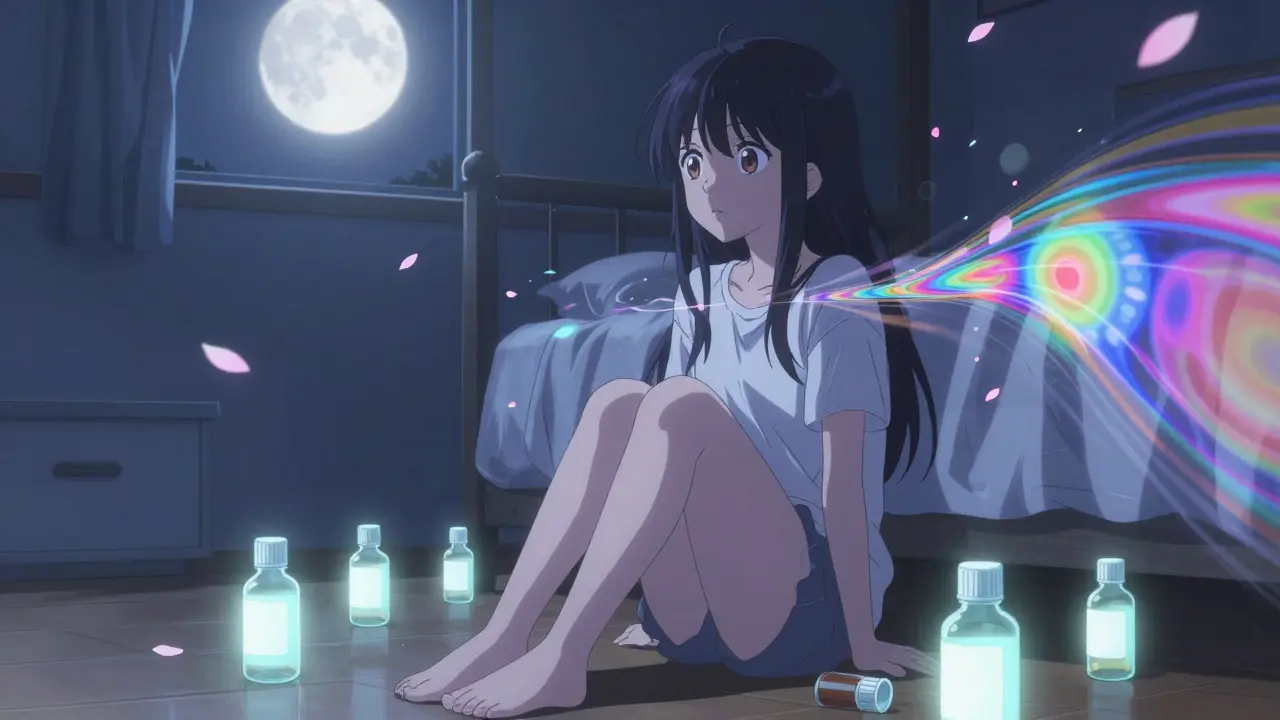
Every year, thousands of teens in the U.S. take a bottle of cough syrup not because they’re sick, but because they want to get high. It’s not cocaine. It’s not heroin. It’s something you can buy right next to the band-aids at your local pharmacy: dextromethorphan, or DXM. This ingredient is in over 70 over-the-counter cough and cold products, from Robitussin DM to NyQuil, and it’s completely legal. But when you take more than the label says - a lot more - it turns into something dangerous. And it’s happening more than most people realize.
What Is DXM, Really?
Dextromethorphan was approved by the FDA in 1958 as a non-addictive alternative to codeine for suppressing coughs. At normal doses - 15 to 30 milligrams every 4 to 8 hours - it works quietly and safely. It doesn’t relieve pain. It doesn’t make you sleepy like some other cough meds. It just tells your brain to stop coughing. That’s all.
But here’s the twist: when you take 10 to 50 times that amount - say, 240 mg to over 1,500 mg in one sitting - DXM starts acting like a completely different drug. It blocks certain receptors in the brain, and suddenly, you’re not just not coughing. You’re disconnected from your body. Colors get brighter. Sounds stretch out. You feel like you’re floating. Some users call this "robo tripping" or "dexing." Others call it "the poor man’s PCP," because the hallucinations and out-of-body experiences feel similar to the illegal drug phencyclidine.
How Do People Abuse It?
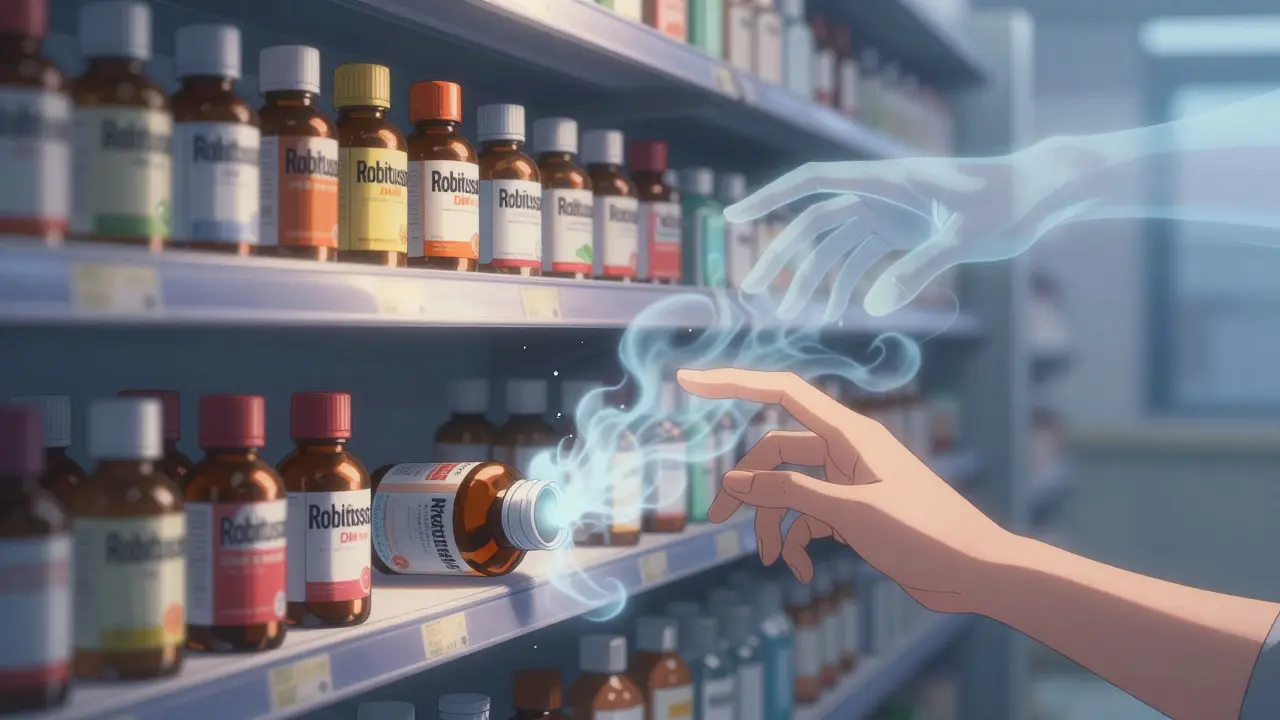
It’s not hard to get started. A single bottle of Robitussin DM has 60 mg of DXM per 10 mL. To hit the first "plateau" - mild euphoria and altered perception - a user might drink 4 or 5 bottles. That’s not a typo. Four to five bottles. Some kids even mix it with soda to mask the taste. Others use the "robo shake" method: drink a huge amount, then vomit on purpose to get rid of the other ingredients (like acetaminophen or antihistamines) that make you sick, while letting the DXM absorb through the stomach lining.
But the most dangerous trend? Extraction. People are now buying DXM in pure powder or capsule form online. Websites offer step-by-step guides on how to strip DXM out of cough syrup using household chemicals like rubbing alcohol or vinegar. Once isolated, it’s snorted, swallowed in bulk, or even injected. Pure DXM is far more potent and unpredictable. One wrong dose, and you’re in the ER.
The Plateaus: What Happens When You Take Too Much
DXM abuse isn’t random. Users follow four known "plateaus," each with more intense effects:
- First plateau (100-200 mg): Mild stimulation, euphoria, slight dizziness. Feels like a strong caffeine buzz.
- Second plateau (200-400 mg): More pronounced hallucinations, distorted time, drowsiness. Users report feeling "dreamy" or "floaty."
- Third plateau (400-600 mg): Dissociation. You feel like you’re outside your body. Real-world sounds fade. You may lose motor control.
- Fourth plateau (600+ mg): Complete detachment. Hallucinations become vivid. You might not recognize yourself or others. This is where seizures, coma, and death become real risks.
These aren’t myths. They’re documented in medical journals and confirmed by emergency room doctors across the country. One study from the University of Rochester Medical Center found that teens who abuse DXM often describe the experience as "like being in a movie where I’m not the main character."
What Happens to Your Body?
At high doses, DXM doesn’t just mess with your head. It messes with your whole system. Common short-term effects include:
- Blurred or double vision
- Slurred speech
- Loss of coordination - you can’t walk straight
- Severe nausea and vomiting
- Fast or irregular heartbeat
- High blood pressure
- Excessive sweating
- Red, itchy skin
But the real danger comes from what happens when DXM is mixed with other substances. Many cough syrups already contain acetaminophen (Tylenol). Taking too much DXM with acetaminophen can cause liver failure. Combine DXM with alcohol, and you’re doubling the risk of respiratory depression - your breathing slows until it stops. Mix it with MDMA (ecstasy), and your body temperature can spike dangerously high, leading to brain damage or death.
Mount Sinai Health System warns that overdose cases are increasing, especially with pure DXM powder. One teen in Texas died after snorting a bag of DXM powder he ordered online. His blood levels were 10 times the lethal threshold.
Why Is This So Common?
There are three big reasons DXM abuse is so widespread:
- It’s legal and easy to buy. You don’t need ID. You don’t need a prescription. You can walk into any drugstore and pick it up.
- It’s cheap. A bottle of cough syrup costs $5-$10. A gram of cocaine? $80-$100. For teens with limited money, DXM is the only option.
- It’s not seen as "drugs." Parents don’t check the medicine cabinet like they do with alcohol or marijuana. Schools rarely talk about it. Most kids think, "If it’s on the shelf, it’s safe."
The National Institute on Drug Abuse found that nearly 3% of teens admitted to using OTC cough medicine to get high in 2016. That’s 1 in 30. And those numbers are likely underreported.
What’s Being Done?
Some states have passed laws restricting sales to minors. Texas, for example, requires pharmacies to keep DXM products behind the counter and limit purchases to two bottles per person. The CHPA - the trade group for OTC medicine makers - has worked with retailers to put warning labels on bottles and train cashiers to spot suspicious purchases.
But enforcement is patchy. Many stores still sell it like candy. And online, DXM powder is sold openly under names like "research chemicals" or "legal highs." Some sellers even market it as "not for human consumption" - a loophole that lets them avoid regulation.
Can You Get Addicted?
Officially, the New Mexico Department of Health says DXM isn’t addictive. But treatment centers like Greenhouse Treatment Center report growing numbers of teens needing therapy for DXM dependence. Some users say they can’t stop - they crave the dissociation, the escape. They build tolerance. They need more. They feel anxious without it. That’s addiction, whether the government calls it that or not.
And recovery isn’t simple. Withdrawal symptoms include depression, insomnia, cravings, and mood swings. For some, it takes months to feel normal again.
What Should You Do?
If you’re a parent: Check your medicine cabinet. Look for bottles labeled "DM," "Tuss," or "Cough Suppressant." Count them. Ask your teen what they know about cough syrup. Don’t assume they’re too smart to try it.
If you’re a teen: Just because it’s legal doesn’t mean it’s safe. What you think is a "fun trip" could end in the hospital - or worse. The effects are unpredictable. One bad batch, one wrong mix, and it’s over.
If you’re a teacher or coach: Talk about it. Don’t wait for a crisis. Most teens have heard of "robo tripping." They just need someone to explain why it’s not harmless.
Final Thought
Dextromethorphan isn’t evil. Used right, it helps millions of people sleep through a bad cough. But when you twist a medicine meant to heal into something you use to escape - you’re playing Russian roulette with your brain. And the odds are worse than you think.
Liam Crean
February 20, 2026 AT 18:27Been reading up on this for a while now. Honestly, it’s wild how something so mundane - like a cough syrup - can turn into a full-blown dissociative experience. I’ve talked to a few kids who’ve tried it, and they all say the same thing: it’s not about the high, it’s about the escape. Like, they’re not trying to party, they’re trying to disappear for a few hours. And honestly? I get it. Life’s heavy sometimes. But damn, the risks are insane.
One guy told me he took 8 bottles once just to see what would happen. Ended up in the ER with a heart rate of 160. No permanent damage, but he swore he’d never do it again. Said he felt like he was watching his life from outside the window. Not cool.
And the fact that it’s legal? That’s the real tragedy. We let kids walk into CVS like it’s a convenience store and grab something that can fry their brain if they misread the label. No age restriction. No warning signs. Just… there. Like candy.
Freddy King
February 21, 2026 AT 03:54Let’s cut through the moral panic here. DXM isn’t some gateway drug - it’s a pharmacological curiosity with a very specific receptor profile. NMDA antagonism, sigma-1 agonism, serotonin reuptake inhibition - all the good stuff. The real issue isn’t the compound, it’s the lack of harm reduction infrastructure. We don’t educate kids on dosing, we don’t provide purity testing, we don’t even have a standardized plateau guide beyond anecdotal forums.
Compare this to LSD or psilocybin, which are now being studied in clinical trials. Why is DXM vilified while other dissociatives get a pass? Because it’s cheap. Because it’s OTC. Because it’s not glamorous. That’s the real drug war: capitalism deciding what’s ‘acceptable’ abuse.
Also, the ‘robo shake’ method? That’s just bad chemistry. You’re not removing acetaminophen by vomiting - you’re just delaying absorption. You still get liver toxicity. People need to stop winging it with vinegar and rubbing alcohol. This isn’t Breaking Bad. It’s a pharmacy aisle.
Arshdeep Singh
February 22, 2026 AT 23:18India has zero problem with this because we don’t have cough syrups with DXM in the first place. Here, every medicine is regulated like a damn nuclear weapon. You need a prescription for paracetamol. So when I hear Americans saying ‘it’s legal so it’s safe’ - bro, you live in a country where you can buy a gun at a gas station and call it freedom.
DXM is not a party. It’s a neurological hack. And if your brain can’t handle being disconnected from reality for even 2 hours, maybe you shouldn’t be trying to escape it. Life’s hard, but taking a chemical vacation doesn’t fix anything. It just delays the crash.
Also, why are parents not checking their cabinets? Because they’re too busy scrolling TikTok to notice their kid’s been vomiting for 3 days straight. Blame the system? Fine. But also blame the adults who think ‘it’s just cough medicine’.
madison winter
February 24, 2026 AT 17:24I’ve seen this in my high school. Kids don’t even know what they’re doing half the time. They think ‘Robitussin DM’ means ‘DM’ like ‘Direct Message’ - like it’s some kind of social thing. One girl brought a whole bottle to prom. Said she wanted to ‘chill out’. She ended up curled up in a bathroom stall for an hour, crying because she thought her reflection was talking to her.
And the worst part? No one told her it was dangerous. No teacher, no parent, no counselor. It’s just… out there. Like a rumor. And now, with DXM powder being sold as ‘research chemicals’? That’s not innovation. That’s exploitation.
I’m not saying ban it. I’m saying: if you’re going to sell it, you need to sell the truth too. Not just ‘cough relief’ on the label. You need ‘this can break your mind’.
Ellen Spiers
February 25, 2026 AT 14:12It is imperative to address the linguistic and regulatory incongruities inherent in the current public health discourse surrounding dextromethorphan. The term ‘abuse’ is semantically loaded and implies moral failing, whereas the phenomenon is better characterized as pharmacological misadventure or dosage miscalibration. Furthermore, the absence of standardized labeling protocols across OTC manufacturers constitutes a systemic failure in risk communication.
It is also noteworthy that the FDA’s 1958 approval was predicated on a narrow therapeutic index under controlled conditions - conditions which are demonstrably absent in recreational contexts. The conflation of legal status with safety is a fallacy of epistemic authority. Legal ≠ safe. As evidenced by tobacco, alcohol, and caffeine - all substances with established neurotoxic potential and widespread societal normalization.
Regulatory reform must prioritize: (1) mandatory dose-limiting packaging, (2) inclusion of neurotoxicity warnings in plain language, and (3) mandatory pharmacist counseling for purchases exceeding two units.
Marie Crick
February 27, 2026 AT 13:49Parents, stop being lazy. This isn’t hard. Check your medicine cabinet. Now. Not tomorrow. Not next week. NOW.
If your kid is taking cough syrup to get high, you failed. Not the pharmacy. Not the government. YOU.
It’s not ‘just a phase’. It’s a cry for help. And you’re ignoring it because you’re too busy scrolling your phone to notice your child’s eyes are glazed over at dinner.
Wake up. Before it’s too late.
Benjamin Fox
March 1, 2026 AT 13:32AMERICA IS WEAK 😭
Other countries lock up cough syrup like it’s cocaine. We let 14-year-olds walk in and grab 5 bottles like it’s a soda. This is why we’re falling behind. No discipline. No boundaries. No respect.
My cousin in Canada can’t even buy NyQuil without showing ID. We need to do the same. Or better yet - ban it. All of it. If it can make you hallucinate, it shouldn’t be on the shelf.
STOP BEING SOFT 🇺🇸
John Cena
March 2, 2026 AT 10:15I’ve worked in a pharmacy for 12 years. I’ve seen this happen. Not every kid, but enough to know it’s real.
Most of the time, the kids aren’t ‘bad’. They’re just lonely. Or bored. Or dealing with stuff no one wants to talk about. One girl came in every week for two months, always buying the same syrup. She never said a word. Just handed me the cash and left.
One day, I asked her if she was okay. She said, ‘I just want to feel like I’m not here for a little while.’
That broke me.
So yeah, we need better laws. But we also need better humans. Someone to ask. Someone to care. Not just the guy behind the counter who’s tired and just wants to clock out.
Tommy Chapman
March 3, 2026 AT 19:20Why are we even talking about this like it’s new? This has been going on since the 90s. We had kids doing robo trips back when dial-up was a thing. And now we act like it’s some new epidemic?
It’s not. It’s just more visible now because of TikTok. Kids film themselves ‘tripping’ and tag it #RoboTrip. Now everyone wants in.
But here’s the truth: most of these kids will grow out of it. They’ll have one bad experience, get sick, get scared, and never touch it again. The ones who don’t? They were already broken. This didn’t create them. It just exposed them.
Stop panicking. Start listening.
Laura B
March 5, 2026 AT 05:32I’m from a small town in Ohio. We had a kid overdose last year. He was 16. Took 12 bottles. Didn’t die - but he lost 6 months of his memory. Can’t remember his birthday. Can’t remember his dog’s name.
His mom told me he started because his dad left. He didn’t know how to deal. So he found a bottle that said ‘cough suppressant’ and thought, ‘maybe this will silence the noise in my head.’
That’s the real story. Not the science. Not the chemistry. The loneliness.
We need more counselors. More open conversations. More people who don’t just say ‘no’ - but say ‘I’m here.’
Hariom Sharma
March 5, 2026 AT 11:07Bro, in India we have this thing called ‘cough syrup’ too - but it’s mostly herbal. No DXM. But I’ve heard stories from friends who went to the US. They said it’s like… the American version of ‘trying everything once’.
But listen - if you’re using this to escape, you’re not alone. But escape doesn’t fix anything. Only facing it does.
I’ve been through dark times too. I didn’t need chemicals to feel better. I needed a friend to sit with me. Not judge. Not lecture. Just sit.
So if you’re reading this and you’re thinking of trying it - I’m here. Talk to me first. Not the bottle.
Nina Catherine
March 6, 2026 AT 11:43ok so i was kinda curious about this and i read the whole thing and now i feel like i need to check my moms medicine cabinet bc she has like 3 bottles of that stuff and i never thought twice about it 😬
also i think the part about the plateaus is wild like its almost like a video game level system? idk why that made me think of that but yeah
also i dont think i ever knew that the syrup has tylenol in it?? that seems super dangerous??
like i get it its legal but i think we need way more warning labels like on cigarette packs? like ‘this can kill you’ in big letters??
Taylor Mead
March 6, 2026 AT 18:34There’s no villain here. No evil corporation. No conspiracy. Just a medicine that works too well - and a generation that’s been left to figure things out alone.
We don’t need more laws. We need more connection. More honesty. More adults who are willing to say, ‘Yeah, I’ve done dumb stuff too. Here’s what happened to me.’
Teens don’t need lectures. They need to know they’re not the only one who feels like the world is too loud. And if we can’t give them that? Then yeah - they’ll find it in a bottle.
Be the person who shows up. Not the one who just posts a warning.
Liam Crean
March 8, 2026 AT 14:33John Cena - you’re right. I’ve been thinking about that kid who lost his memory. He didn’t want to escape. He just wanted to feel something real. And we gave him a chemical illusion instead of a human touch.
I’m going to start volunteering at the youth center next week. Maybe I can’t fix the system. But I can sit with one kid who’s scared. And maybe that’s enough.