
Green Coffee Extract and Stimulant Medications: What You Need to Know About Blood Pressure Risks
Blood Pressure Interaction Risk Calculator
Calculate the potential blood pressure fluctuations when combining stimulant medications and green coffee extract. This tool provides an estimate based on scientific data from clinical studies and medical reports.
Current Blood Pressure
Medication & Supplement
Risk Assessment
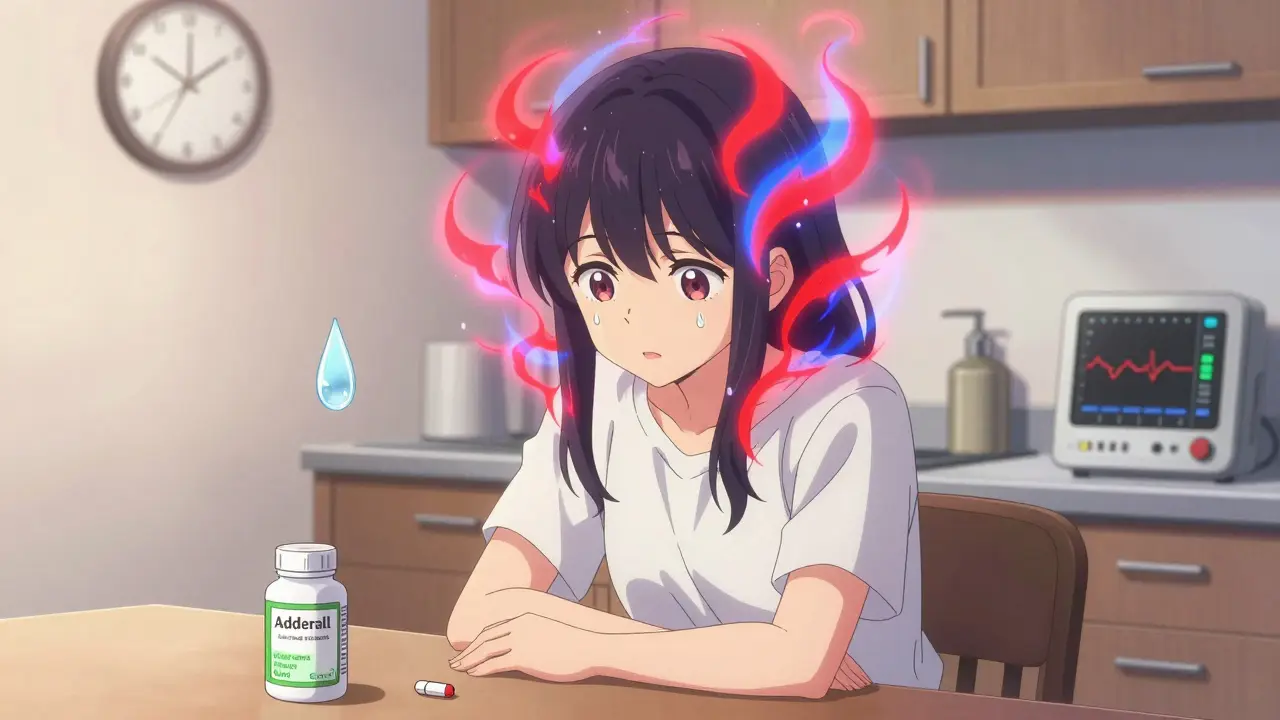
If you're taking medication for ADHD like Adderall, Vyvanse, or Ritalin, and you've started green coffee extract for weight loss or energy, you might not realize you're playing a dangerous game with your blood pressure. This isn't just a theory - it's a real, documented risk that's showing up in emergency rooms and cardiologist offices across the U.S.
What Exactly Is Green Coffee Extract?
Green coffee extract comes from unroasted coffee beans. Unlike your morning cup of joe, which gets its flavor from roasting, this supplement pulls out compounds like chlorogenic acid and caffeine before the beans are roasted. The idea behind it? Chlorogenic acid may help lower blood pressure and support metabolism. It became popular after a 2009 study got media attention, and now it's in hundreds of supplements sold online and in stores.
Most products contain between 45% and 50% chlorogenic acid. But here’s the catch: they also contain caffeine - anywhere from 5% to 20% by weight. That means a single capsule can have 50 to 200 mg of caffeine, depending on the brand. And because these supplements aren't tightly regulated, the actual amount can vary wildly. ConsumerLab tested 15 popular brands in 2023 and found chlorogenic acid levels ranging from 28.7% to 51.3%, and caffeine from 3.2% to 18.7%. You can't assume you know what you're getting.
How Stimulant Medications Affect Blood Pressure
Stimulant medications like methylphenidate (Ritalin, Concerta) and amphetamines (Adderall, Vyvanse) work by increasing dopamine and norepinephrine in the brain. That helps with focus and attention. But they also activate your sympathetic nervous system - the part that turns on your fight-or-flight response.
The result? Your heart beats faster, your blood vessels tighten, and your blood pressure goes up. According to FDA data updated in 2023, these drugs typically raise systolic pressure by 2 to 13 mmHg and diastolic pressure by 1 to 9 mmHg. That might not sound like much, but for someone with borderline hypertension or heart issues, it's enough to matter.
The American Heart Association says all patients on these medications should have their blood pressure checked before starting and every few months after. Why? Because even small, consistent increases can strain your heart and arteries over time.
The Dangerous Flip Side: Green Coffee Extract Lowers Blood Pressure
This is where things get tricky. While green coffee extract has caffeine - which normally raises blood pressure - its main active ingredient, chlorogenic acid, does the opposite. Studies show it blocks enzymes that constrict blood vessels, helping them relax. A 2006 study in Hypertension Research with 117 men with mild high blood pressure found that taking 93 mg or 185 mg of green coffee extract daily lowered systolic pressure by nearly 5 mmHg and diastolic by about 3-4 mmHg. The effect was clear, dose-dependent, and lasted over weeks.
So here's the paradox: one part of the supplement (caffeine) pushes blood pressure up, while the other (chlorogenic acid) pulls it down. In most healthy people, the chlorogenic acid wins. That’s why studies show a net drop in blood pressure - not a rise.
When You Mix Them: Blood Pressure Goes Wild
Now imagine you're taking Adderall, which raises your blood pressure by 6 mmHg on average. Then you add a green coffee extract capsule that lowers it by 5 mmHg. Sounds balanced, right? Wrong.
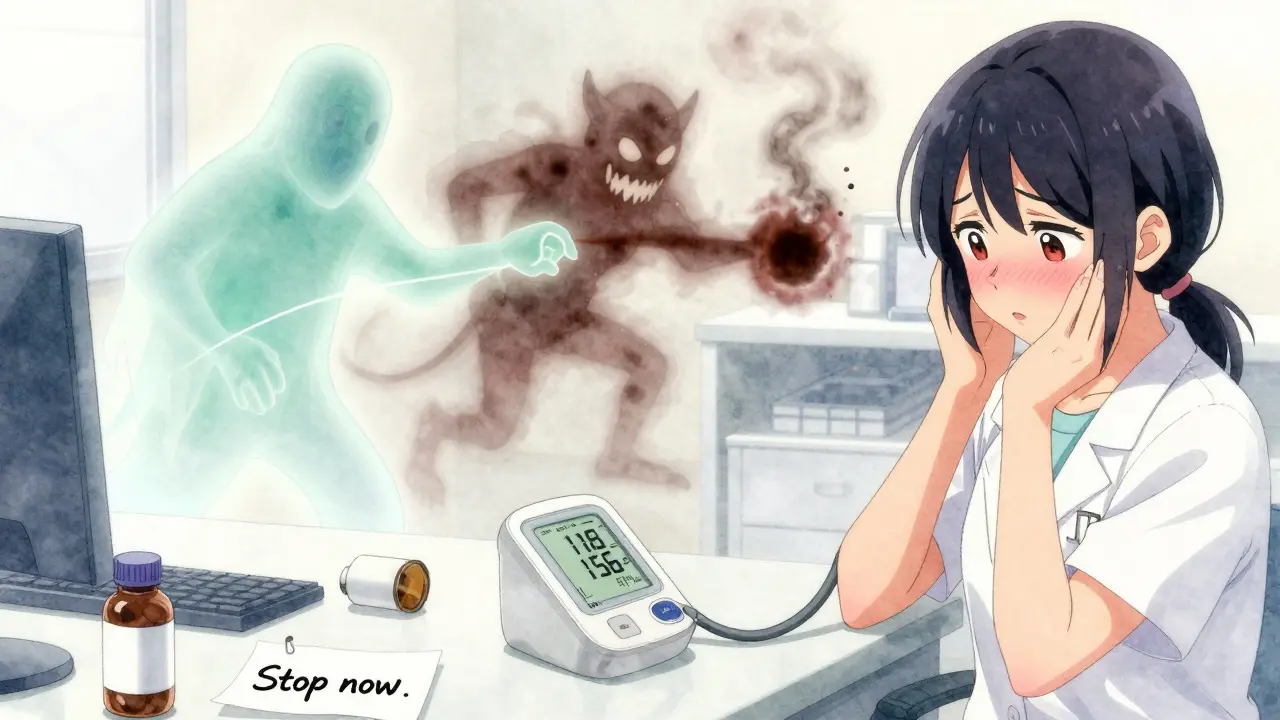
These substances don't cancel each other out neatly. They fight on different pathways, at different speeds, and with different durations. Your body doesn't get a stable number - it gets chaos. One hour, your pressure might be normal. The next, it spikes. Then it crashes. This instability is called blood pressure lability, and it's dangerous.
A 2021 case report in the Journal of Clinical Hypertension described a 34-year-old man on Adderall XR 30 mg who started a green coffee extract with 180 mg of caffeine. His systolic blood pressure swung between 118 and 156 mmHg - sometimes within hours. He had dizziness, palpitations, and headaches. His cardiologist had to adjust his Adderall dose and make him stop the supplement.
Similar stories are popping up online. On Reddit’s r/ADHD, users report wild fluctuations in readings after adding green coffee extract. One wrote: “My doctor told me to stop it immediately. My numbers were all over the place.” Another on PatientsLikeMe said she had heart palpitations and dizziness - her doctor confirmed the supplement was likely the trigger.
Why This Isn’t Just About Caffeine
Many people think, “It’s just caffeine - I drink coffee all the time.” But there’s a big difference between your morning cup and a concentrated supplement.
- A typical cup of coffee has 80-100 mg of caffeine.
- A green coffee extract capsule can have 50-200 mg - sometimes more.
- Stimulant medications add another 20-50 mg of stimulant activity (not pure caffeine, but similar effects).
Put them together, and you're easily hitting 250-300 mg of stimulant load in a day. The European Food Safety Authority says single doses over 200 mg of caffeine can cause anxiety, rapid heartbeat, and elevated blood pressure in sensitive people. Combine that with prescription stimulants, and you're in high-risk territory.
Plus, chlorogenic acid doesn’t just affect blood pressure - it inhibits ACE, the same enzyme targeted by blood pressure drugs like lisinopril. That means it could interfere with other medications you're taking, even if they’re not stimulants.

What the Experts Say
Dr. James Lane from Duke University, who's studied caffeine and cardiovascular stress for decades, put it bluntly in a 2023 interview: “The combination of prescription stimulants with additional stimulatory compounds like caffeine in green coffee extract creates unpredictable hemodynamic responses that can compromise treatment efficacy and patient safety.”
The American Society of Hypertension warned in 2022 that combining herbal supplements with blood pressure-altering drugs is risky. The American College of Cardiology went further: for patients with heart disease or hypertension, they recommend avoiding green coffee extract entirely if they're on stimulant medication.
A 2024 survey of 1,200 pharmacists showed that 68% now routinely ask patients if they're using green coffee extract - up from just 32% in 2021. That’s a huge shift in clinical practice.
What Should You Do?
If you're on stimulant medication and thinking about trying green coffee extract:
- Don’t start without talking to your doctor. Even if you feel fine, your blood pressure could be quietly stressed.
- Get your blood pressure checked. Ask for a baseline reading before starting any supplement.
- Monitor at home. If you're already on stimulants, buy a home blood pressure monitor. Take readings twice a day for a week - morning and evening. Look for swings greater than 10 mmHg.
- Check the label. If the supplement doesn’t list exact caffeine or chlorogenic acid content, don’t take it. Quality control is a mess in this industry.
- Consider alternatives. If you want energy or weight loss support, try non-stimulant options like fiber, protein-rich meals, or structured sleep routines. They’re safer and more reliable.
The FDA and European Medicines Agency have both flagged this interaction. In September 2023, the FDA added green coffee extract to its draft guidance on supplement-drug interactions. That means regulators see this as a real, growing problem.
Bottom Line: It’s Not Worth the Risk
Green coffee extract isn’t magic. It’s not a proven weight-loss miracle. And when you're on stimulant medication, it’s a potential time bomb for your cardiovascular system. The science is clear: mixing them creates unpredictable, dangerous swings in blood pressure. There’s no benefit that outweighs the risk.
If you’re already taking both, talk to your doctor. Don’t wait for a panic attack or a trip to the ER. Get your numbers checked. Stop the supplement. Your heart will thank you.
Can green coffee extract lower my blood pressure if I’m not on medication?
Yes, studies show that in people without cardiovascular disease, green coffee extract can modestly lower blood pressure - typically by 3 to 6 mmHg systolic - over several weeks. This is due to chlorogenic acid’s effects on blood vessel relaxation. But the effect is mild and not a substitute for prescribed hypertension treatment.
Is the caffeine in green coffee extract the main problem?
It’s part of the problem, but not the whole story. The real issue is the combination of caffeine’s stimulant effect with chlorogenic acid’s blood pressure-lowering action. Together, they create conflicting signals to your body, leading to unstable readings. Some people tolerate the caffeine fine, but the chemical tug-of-war is what makes this interaction dangerous.
How much caffeine is in green coffee extract supplements?
It varies widely. Most supplements contain between 50 and 200 mg of caffeine per serving, depending on concentration. ConsumerLab’s testing found some products had as little as 3.2% caffeine and others as high as 18.7%. Always check the label - and if it doesn’t list caffeine content, avoid it.
Should I stop green coffee extract if I start stimulant medication?
Yes, unless your doctor says otherwise. The American Heart Association and American College of Cardiology both advise against using green coffee extract while on stimulant medications. The risk of blood pressure instability is too high, especially if you have any history of heart issues, anxiety, or high blood pressure.
Are there any safe alternatives to green coffee extract for weight loss?
Absolutely. Focus on proven, low-risk methods: increasing protein intake, staying hydrated, getting 7-8 hours of sleep, and doing regular strength training. These improve metabolism without affecting your heart or blood pressure. Avoid anything that claims to “boost energy” or “burn fat fast” - those often contain hidden stimulants.
Anil bhardwaj
February 25, 2026 AT 02:27Been on Vyvanse for years and tried green coffee extract out of curiosity. Thought it was just 'natural caffeine' - turns out my BP was doing the cha-cha. Started getting dizzy after lunch, like my head was a balloon about to pop. Doc said to drop it. Done. No regrets. Simple as that.
lela izzani
February 25, 2026 AT 17:08As a pharmacist, I see this combo way too often. Patients think 'natural' means 'safe' - nope. Green coffee extract isn't regulated, so you're rolling dice with your heart. I always ask about supplements before prescribing stimulants. If you're on Adderall or Ritalin, skip it. There's zero upside and real risk. Your cardiologist will thank you later.
Joanna Reyes
February 26, 2026 AT 10:51I read the whole thing twice because I’m on Concerta and was seriously considering trying this supplement for focus and weight loss. I thought, 'It’s just coffee beans, how bad could it be?' But the part about chlorogenic acid and caffeine fighting each other in your system? That’s wild. It’s not just about the numbers - it’s about the instability. Blood pressure lability isn’t some buzzword; it’s your heart getting whiplash. I’m canceling my order. I’d rather lose 5 lbs slowly than risk a stroke before 40. Also, home BP monitoring? Good call. I just bought one. Thanks for the wake-up call.
Nerina Devi
February 27, 2026 AT 02:54As someone from India where these supplements are sold everywhere as 'Ayurvedic energy boosters,' I’m shocked more people aren’t talking about this. My cousin, a teacher on Ritalin, started taking green coffee capsules for 'fat burning' and ended up in the ER with palpitations. No one warned her. This post should be mandatory reading for every ADHD parent, student, or professional in South Asia. We need more awareness here - not just in the US. Please share this widely.
Dinesh Dawn
February 28, 2026 AT 04:55My buddy on Adderall tried this stuff and said he felt 'lighter' and 'more focused.' Then he started having chest twinges. Turned out his BP was spiking to 160/100. He’s lucky he didn’t have a mini-stroke. I told him: if it’s not in your doctor’s prescription pad, don’t trust it. Especially when it’s got 'natural' on the label. That word’s basically a red flag in supplement land.
Vanessa Drummond
March 1, 2026 AT 21:49Ugh. Another 'science' post pretending to be helpful. Everyone’s scared of caffeine now? I’ve been taking Vyvanse + green coffee for 3 years. My BP? Perfect. My energy? Unstoppable. My doctor? Says I’m fine. You people are paranoid. It’s not a drug - it’s a plant. If your body can’t handle a little coffee, maybe you shouldn’t be on stimulants at all. Stop being so fragile.
Gabrielle Conroy
March 3, 2026 AT 13:57OMG YES!! I’m so glad someone finally said this!! I’ve been monitoring my BP daily since I started Adderall, and when I added green coffee extract, my numbers went from stable 118/76 to wild swings like 152/90 and then 108/68 within hours!! I freaked out and stopped it immediately - my doc said I was lucky I didn’t have a panic attack or worse. PLEASE, if you’re on stimulants, don’t do this!! I even made a spreadsheet and sent it to my ADHD subreddit. You’re not being extra - you’re being smart!!
Spenser Bickett
March 4, 2026 AT 00:57So let me get this straight - we’re now treating coffee like it’s nuclear waste? You’re telling me a guy on Adderall can’t have a little plant extract? Next you’ll ban sunlight because it might 'interfere' with SSRIs. This is why America’s turning into a cult of medical paranoia. If your BP is that fragile, maybe you shouldn’t be on stimulants. Or maybe you just need to chill. I’m 42, on Vyvanse, drink 3 coffees, and take green extract. Still alive. Still functional. Still not in a lab coat.
Christopher Wiedenhaupt
March 4, 2026 AT 05:18While the clinical evidence presented is compelling, it is important to acknowledge the limitations of case reports and anecdotal data. The sample size in the referenced 2021 study is minimal, and the variability in supplement composition introduces significant confounding variables. Furthermore, individual metabolic differences mean that some patients may tolerate this combination without adverse effects. A blanket recommendation to avoid green coffee extract may overlook nuanced clinical contexts where monitoring and dosage control could mitigate risk. Professional judgment remains paramount.
John Smith
March 5, 2026 AT 08:36Shalini Gautam
March 5, 2026 AT 16:25My cousin in Delhi got this supplement from a 'natural wellness' shop. Said it helped her lose 8kg in a month. She’s on methylphenidate. Last week she fainted in class. BP was 170/110. She’s lucky she didn’t die. India needs to regulate this junk. These shops sell it like candy. No labels. No warnings. Just 'boost your energy!' I’m starting a petition. This isn’t health - it’s exploitation.
Timothy Haroutunian
March 6, 2026 AT 05:14Look. I get it. You’re scared. You read a bunch of studies and now you’re convinced this is a death sentence. But let’s be real - how many people actually die from this? Zero. How many people feel better, have more energy, and lose weight? Thousands. The system wants you scared. Doctors want you coming back every month. Pharmacies want you buying more pills. This isn’t medicine - it’s profit disguised as caution. I’m not stopping. I’m not scared. I’m awake. And I’m not letting fear dictate my life.
Ashley Johnson
March 7, 2026 AT 08:27Wait - so you’re telling me the government and Big Pharma are hiding the truth? Green coffee extract is actually a mind-control tool to make people dependent on stimulants? I read a blog that said chlorogenic acid is used in chemtrails to weaken the blood-brain barrier. That’s why they’re pushing this combo - to make ADHD brains more vulnerable! My neighbor’s dog got sick after I started taking it. Coincidence? I think not. I’ve stopped. And I’m telling everyone. The truth is out there. And it’s in the beans.