
The impact of chronic pain on low libido and sexual function
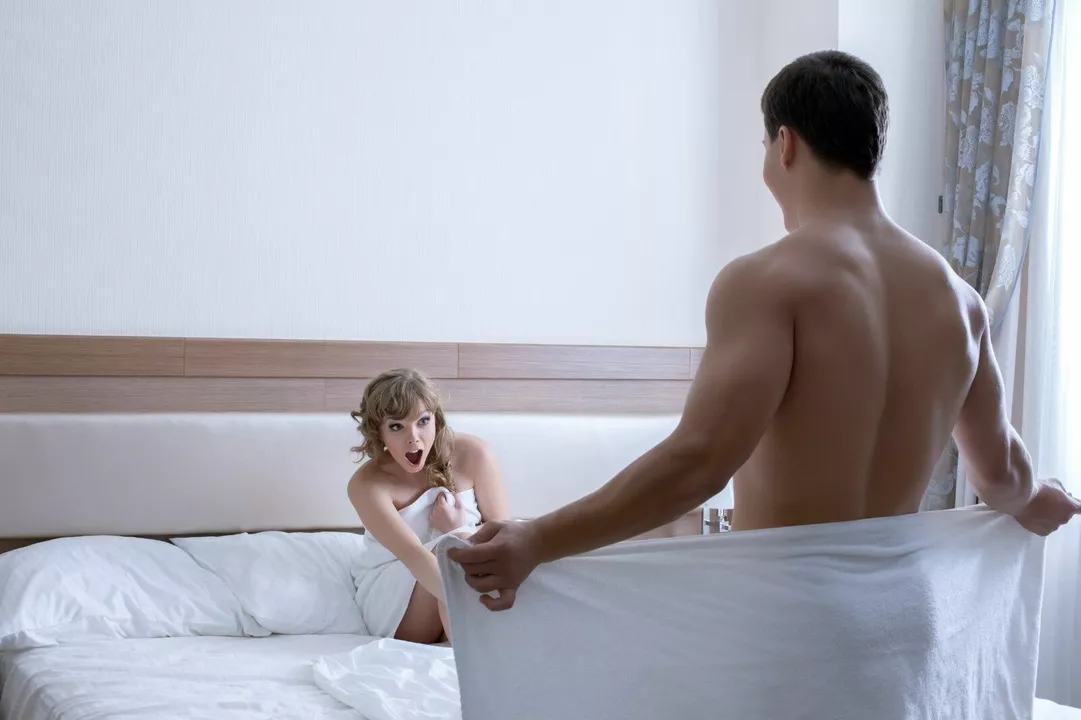
Understanding Chronic Pain and Low Libido
As someone who has experienced chronic pain, I know firsthand how it can affect multiple aspects of my life, including my sexual function and desire. In this article, I will explore the impact of chronic pain on low libido and sexual function, and discuss some strategies for managing these issues. So, let's dive into understanding the connection between chronic pain and low libido.
The Vicious Cycle of Pain and Libido
Chronic pain can create a vicious cycle that negatively impacts one's sex life. Pain can lead to low libido, which in turn can lead to a decrease in sexual activity, further exacerbating the pain. This cycle can be incredibly frustrating for those experiencing it, and it's important to understand the various factors that contribute to this downward spiral.
Physical Limitations
One obvious way that chronic pain affects sexual function is through physical limitations. Pain can make certain positions or activities uncomfortable or impossible, leading to a decrease in sexual satisfaction and desire. For example, someone with chronic back pain might find it difficult to engage in certain sexual positions that put strain on their back. The fear of pain and the disappointment of not being able to fully enjoy sexual experiences can lead to a loss of interest in sex altogether.
Mental and Emotional Effects
Chronic pain isn't just a physical issue – it can also have a significant impact on one's mental and emotional well-being. The constant discomfort can lead to feelings of depression, anxiety, and irritability, all of which can negatively affect one's sex drive. Furthermore, chronic pain can cause sleep disturbances, which can further contribute to fatigue and a decreased interest in sex.
Medications and Libido
Many people who suffer from chronic pain rely on medications to help manage their symptoms. While these medications can provide much-needed relief, they can also have side effects that affect sexual function. For example, certain pain medications, such as opioids, can cause a decrease in testosterone levels, leading to reduced libido. Additionally, medications like antidepressants and anti-anxiety drugs – which are often prescribed to those with chronic pain to help manage the mental and emotional aspects of their condition – can also have sexual side effects.
Communication and Understanding
One of the most important aspects of coping with the impact of chronic pain on sexual function is open communication with one's partner. It's crucial to discuss the challenges faced and to work together to find solutions that work for both individuals. Understanding and empathy from both parties can help to reduce feelings of frustration and disappointment, and can help to strengthen the emotional bond between partners.
Strategies for Managing Pain and Libido
While chronic pain might always be a part of your life, there are strategies that can help improve your sexual function and desire. First, it's important to work with your healthcare provider to find the right balance of medications and therapies to help manage your pain. This might involve adjusting dosages, trying alternative treatments, or exploring other options like physical therapy, acupuncture, or massage.
Additionally, consider seeking out a therapist or support group specifically for individuals dealing with chronic pain and the impact it has on their relationships and sex lives. These resources can provide valuable insight, understanding, and coping strategies that can help you and your partner navigate the challenges of chronic pain and low libido.
Jen Basay
April 29, 2023 AT 06:25Totally get it 😊
Hannah M
May 5, 2023 AT 14:25I’ve been there, dealing with constant aches and that dip in desire.
It’s like your brain is always on alert, making intimacy feel like another chore.
A lot of folks don’t talk about how meds can mess with hormones, which only adds to the frustration.
Finding a partner who’s patient and willing to explore new ways can make a huge difference.
Keep pushing for those open conversations-your comfort matters.
Poorni Joth
May 11, 2023 AT 22:25Listen, chronic pain is a real bitch and it dont just stay in your back. It creeps into everythin, includin sex. If your doc keeps pumpin you full of pills that kill your drive, thats a problem they need to fix. We cant just accept this as normal, we gotta demand better treatment. Stop sugarcoating it, it's a massive issue.
Yareli Gonzalez
May 18, 2023 AT 06:25Working through pain and intimacy takes patience and teamwork.
Try focusing on breathing together before any activity.
Gentle stretches can improve flexibility without aggravating the hurt.
Communicate any discomfort immediately so you can adjust.
Remember, intimacy isn’t just physical-it’s also emotional connection.
Alisa Hayes
May 24, 2023 AT 14:25Chronic pain often creates a cascade of physical and psychological barriers that can deeply affect sexual desire and performance.
When the body is constantly sending signals of distress, the nervous system prioritizes survival over pleasure, leading to diminished libido.
Medications, especially opioids and certain antidepressants, can lower testosterone levels and blunt arousal pathways, compounding the issue.
Moreover, the fear of triggering pain during intimacy can cause anticipatory anxiety, which further suppresses sexual interest.
Sleep disruption, another common symptom of chronic pain, contributes to fatigue and hormonal imbalances that are not conducive to a healthy sex drive.
It’s essential to approach this problem from a multidisciplinary angle, involving physicians, therapists, and possibly physical therapists.
A tailored exercise program can improve core strength and reduce strain on painful areas, making certain positions more comfortable.
Exploring adaptive sexual techniques, such as using pillows for support or trying different angles, can help maintain intimacy without aggravating pain.
Open and honest communication with a partner builds trust and allows both parties to experiment safely.
Couples counseling can also address the emotional fallout that chronic pain often brings, such as feelings of guilt or frustration.
When discussing medication adjustments, consider speaking with a pain specialist about alternatives like low-dose naltrexone or certain anti-inflammatory agents that have fewer sexual side effects.
Mind‑body practices, including mindfulness meditation and guided breathing, have been shown to decrease perceived pain intensity and improve sexual satisfaction.
Incorporating short, non‑sexual touch sessions can re‑establish physical closeness without the pressure of performance.
Lastly, joining a support group of individuals facing similar challenges can provide practical tips and emotional validation.
By combining medical, physical, and relational strategies, you can break the vicious cycle and reclaim a fulfilling sexual life.
Mariana L Figueroa
May 30, 2023 AT 22:25Pain management is key. Talk to your doctor about side effects. Adjust dosage if needed. Physical therapy can help.
mausumi priyadarshini
June 6, 2023 AT 06:25Well, frankly, the article oversimplifies, doesn’t it?; It paints chronic pain as merely a physical obstacle, ignoring the sociocultural factors, which is a glaring omission!; I’d argue that without addressing mental health stigma, any advice is incomplete.
Carl Mitchel
June 12, 2023 AT 14:25We must recognize that society often neglects those who suffer silently. Ignoring the link between pain and intimacy is a form of indifference. Ethical healthcare demands holistic treatment, not just pain relief. Compassion should guide our approach.
Suzette Muller
June 18, 2023 AT 22:25I work with many patients who face similar struggles, and a few strategies tend to help. Start by keeping a pain‑and‑pleasure diary to identify patterns. Gentle yoga or tai chi can increase flexibility while reducing tension. When possible, schedule intimacy on days when your pain is at its lowest. Communication, even the smallest reassurance, can make a big difference.
Josh SEBRING
June 25, 2023 AT 06:25Sounds like a solid plan, but don’t overthink it – just try one tweak at a time.