
Dysosmia: Causes, Treatments, and What It Means for Your Sense of Smell
When your sense of smell goes wrong, it’s not just annoying—it can make eating feel like a chore, trigger anxiety, or even make you feel disconnected from the world. dysosmia, a distortion in the perception of smell. Also known as olfactory dysfunction, it includes conditions like parosmia, when familiar smells turn foul and phantosmia, when you smell things that aren’t there. This isn’t just a cold symptom—it’s a neurological hiccup that can stick around for months or years after a virus, head injury, or even long COVID.
Dysosmia doesn’t happen in a vacuum. It often shows up alongside other issues like loss of taste, because smell and taste are wired together, or nasal inflammation, from allergies, polyps, or chronic sinus infections. Some people develop it after taking certain medications, including antibiotics or antihypertensives. Others notice it after a brain injury or as part of early Parkinson’s or Alzheimer’s. It’s not rare—studies show up to 20% of people who’ve had a respiratory infection report lasting smell changes. And while most cases improve over time, a lot don’t. That’s why understanding the root cause matters more than just waiting it out.
There’s no one-size-fits-all fix. Some people find relief with smell training—sniffing strong scents like rose, lemon, eucalyptus, and clove daily. Others benefit from nasal rinses, steroid sprays, or even supplements like zinc or alpha-lipoic acid. In rare cases, surgery helps if polyps or structural blockages are the culprit. But the real challenge? Doctors often dismiss it. If you’ve been told it’s "just in your head," you’re not alone. The truth is, dysosmia has real biological roots, and managing it requires patience, the right tools, and sometimes a specialist who knows where to look.
Below, you’ll find real-world guides on how people have tackled smell disorders—some after viral infections, others after long-term medication use or neurological conditions. These aren’t theoretical tips. They’re stories from people who lived through it, tried treatments, and found what worked—or what didn’t. Whether you’re dealing with phantom odors, spoiled food smells, or just a fading sense of scent, there’s something here that might help you take back control.
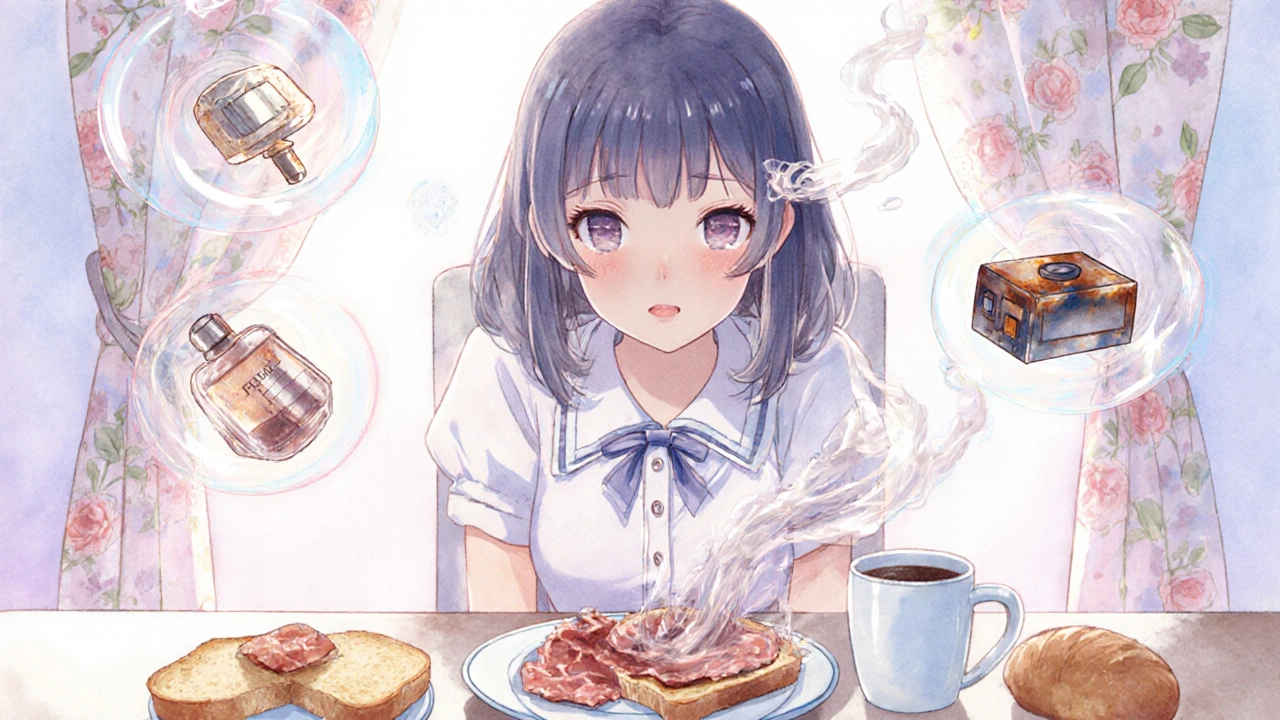
Medications That Change Your Sense of Smell: What You Need to Know About Dysosmia
Many medications can distort your sense of smell or taste, a condition called dysosmia. Learn which drugs cause it, how long it lasts, and what you can do to recover - backed by science and patient data.
VIEW MORE